About The Nordic Dish
A kitchen rooted in the North. Stories told through food.
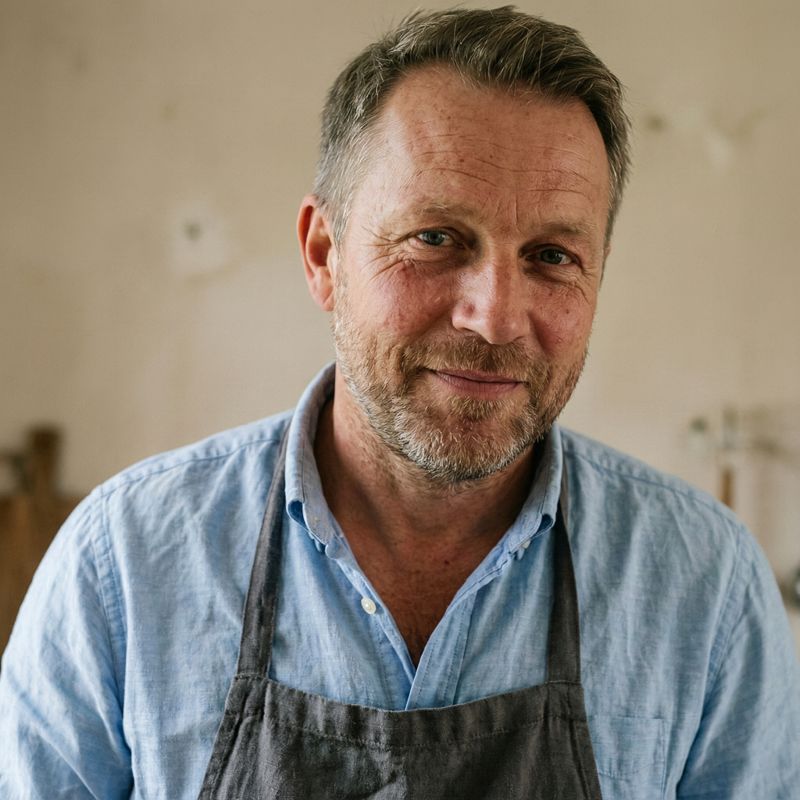
I’m Erik — a culinary professional, food writer, and lifelong student of the Nordic table.
The Nordic Dish began as a desire to document what I was cooking and discovering: the slow-braised Sunday dishes, the quick weeknight suppers built on honest pantry staples, the festive bakes that only appear a few weeks a year and disappear just as fast.
What started as a personal archive turned into something I wanted to share. Because Nordic food — real Nordic food — deserves more than a footnote. It’s one of the most ingredient-honest, season-driven, quietly elegant culinary traditions in the world. And yet, so much of it lives only in family kitchens and handwritten recipe cards.
This blog is my way of changing that.
“Good food doesn’t shout — it whispers.”
What you’ll find here
Every recipe on The Nordic Dish comes from the same place: curiosity, respect for tradition, and an honest belief that simple ingredients, treated well, are always enough.
You’ll find:
- Traditional recipes from Finland, Sweden, Norway, Denmark and Iceland — prepared the way they’ve always been made
- Modern Nordic cooking that stays true to the spirit of the North: seasonal, unfussy, and deeply satisfying
- Holiday and seasonal collections tied to the Nordic calendar — from midsummer to Christmas
- Food history and stories behind the dishes, because knowing where a recipe comes from makes it taste better
The Nordic Philosophy
Nordic cooking isn’t a trend. It’s a worldview.
It’s the belief that the best meal is the one made from whatever the season offers. It’s the unhurried Sunday morning with something warm from the oven. It’s hygge at the table — the feeling that everything you need is already here.
I try to carry that philosophy into every recipe: no shortcuts that sacrifice flavour, no complexity for its own sake, and no ingredient you can’t actually find.
Start here
If you’re new to Nordic food, these five recipes are a great place to begin — approachable, comforting, and full of classic Scandinavian flavor.
- Rugbrød — Danish Dark Rye Bread — the foundation of open-faced sandwiches
- Finnish Salmon Soup (Lohikeitto) — creamy, simple, and deeply comforting
- Kladdkaka — Swedish Sticky Chocolate Cake — the one everyone asks for twice
- Hønsekødssuppe — Danish Chicken Soup — slow-cooked and full of warmth
- Lapskaus — Norwegian Meat and Vegetable Stew — honest, hearty winter food
Work with us
The Nordic Dish collaborates with brands, publishers, and media on Nordic recipe development, food photography, sponsored content, and culinary storytelling.
If you’re looking for an authentic Nordic voice for your project — whether that’s a campaign, a publication feature, or original recipe content — we’d love to hear from you. For collaborations or press inquiries, please get in touch.
Email: hello@thenordicdish.com / Karri Liintola
Let’s Connect
The Nordic Dish is better because of the people who cook from it. If you’ve made something from this blog, I’d genuinely love to hear about it — especially if you’ve given it your own twist.
You can reach me directly via the Contact page, or come find me on Instagram, Pinterest, and Facebook where I share behind-the-scenes moments, seasonal inspiration, and the occasional kitchen experiment that didn’t quite go to plan.
Thank you for being here.
AI Transparency, Ethics and Credits
At thenordicdish.com, we use Artificial Intelligence to enhance our creative process. Humans remain at the core of our operations. No recipe, article or image is published without thorough human review, fact-checking, and editorial approval. Some content on this site may include artificially generated fictional characters presented in a realistic manner for storytelling purposes. Any resemblance to any person, living or deceased, is purely coincidental.
FAQs
The Nordic Dish covers the food traditions of five countries: Finland, Sweden, Norway, Denmark, and Iceland. While each has its own distinct culinary identity, they share a common philosophy — cooking with what the land and sea provide, honouring the seasons, and keeping things honest on the plate. You’ll find recipes from all five countries here, along with the occasional nod to the Faroe Islands and Greenland.
Not exactly. Scandinavia traditionally refers to three countries — Sweden, Norway, and Denmark. “Nordic” is the broader term, and the one we use here, because it also includes Finland, Iceland, and sometimes the Faroe Islands and Greenland. The culinary traditions across these countries share a common spirit — seasonal ingredients, restraint, and a deep respect for nature — but each has its own distinct dishes, flavours, and food culture. Finnish cuisine, for example, has strong influences from both Sweden and Russia. Icelandic cooking is shaped entirely by what the island’s harsh landscape provides. Nordic is simply the more accurate and inclusive term for what you’ll find on this blog.
Most of them, yes. Nordic cooking is by nature unfussy — it relies on good ingredients and straightforward technique rather than complexity. Many recipes on this blog require no special equipment and come together in under an hour. Where a recipe demands more time or skill, that’s clearly noted, along with tips to make the process easier.
Nordic cuisine is defined by its relationship with the natural world. Historically, the harsh climate and short growing seasons shaped a food culture built around preservation — curing, smoking, pickling, fermenting — and a profound respect for what each season offers. Unlike the butter-and-cream richness of French cooking or the herb-forward brightness of Mediterranean cuisine, Nordic food tends toward restraint: fewer ingredients, deeper flavours, and a quietness on the plate that lets each element speak for itself. It is food rooted in place, and that rootedness is what makes it distinctive.
More easily than you might expect. Many core Nordic ingredients — rye flour, root vegetables, salmon, dill, juniper berries, lingonberry jam — are available in well-stocked supermarkets or online. For harder-to-find items like Finnish rye malt, Swedish filmjölk, or Norwegian brunost, Scandinavian speciality shops and online Nordic food retailers are your best options.
Yes. While Nordic cuisine is traditionally meat- and fish-forward, many recipes on this blog are naturally vegetarian or easily adapted. Root vegetable dishes, porridges, berry desserts, and fermented preparations often require no substitutions at all. Gluten-free options are also tagged and noted where relevant — rye is a staple in Nordic baking, but a number of traditional dishes are naturally gluten-free.
All content on The Nordic Dish — recipes, photographs, and text — is protected by copyright. You’re welcome to share a link to any recipe, and brief quotations with clear attribution are always fine. Recipe round-ups are also welcome — just link back to the original recipe with a do-follow link and a proper credit. Reproducing full recipes, ingredient lists, or photographs without permission is not permitted. For syndication, republication, or commercial use, please get in touch — we’re always open to discussing the right arrangement.
Keep exploring
Ready for more Nordic flavors? Here are a few easy places to continue: