
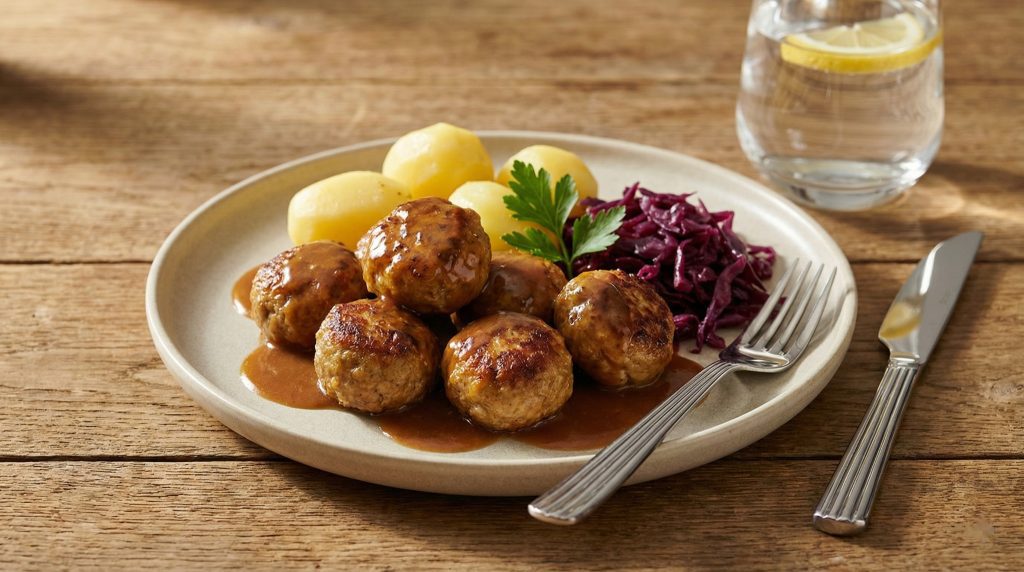
There are few smells more comforting than fluffy frikadeller sizzling in a pan—warm pork, sweet onion, a little pepper, and that unmistakable butter-browned edge that makes you “just check one” and somehow lose three to the cook’s snack tax. In Denmark, frikadeller are not a special-occasion dish. They’re the kind of everyday staple that shows up on weeknights, at family lunches, and in leftovers that are arguably better the next day. They’re modest, dependable, and deeply loved—like a good wool sweater, but crisp on the outside. (And if you like this cozy pan-fried energy, you’ll probably love their seafood sibling too: my Fiskefrikadeller)
If you’ve ever had Swedish meatballs, think of Danish frikadeller as their more relaxed cousin: larger, fluffier, and less saucy by default. They’re typically shaped into flat ovals (not perfect spheres), browned in butter, and served with whatever your kitchen has going on—potatoes, Danish rye bread (rugbrød), pickles, a simple salad, or a spoon of something tangy. When they’re done right, frikadeller are juicy and tender, with a savory bite and a gentle, nostalgic sweetness from sautéed onions.
The Secrets to the fluffy Texture
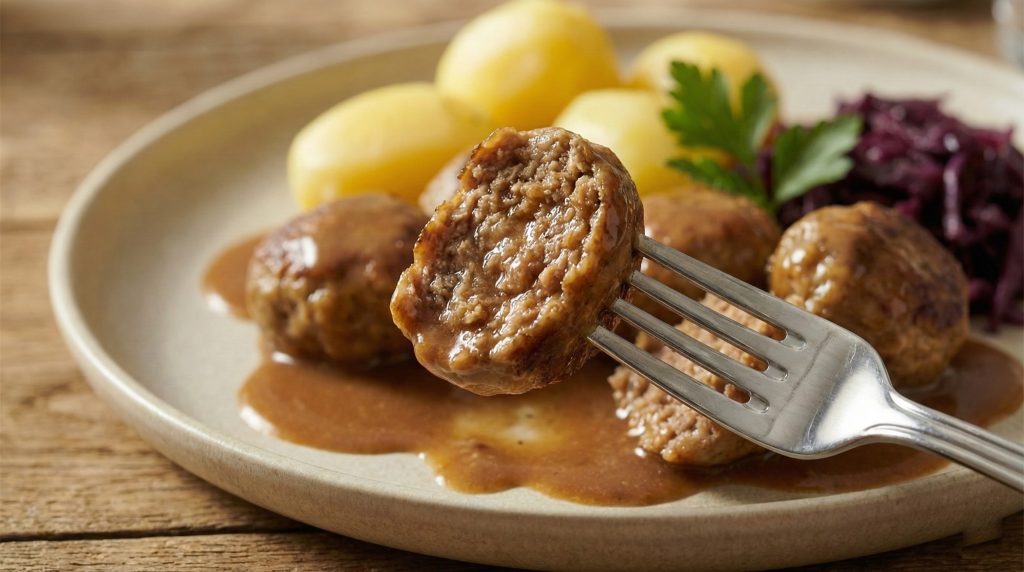
Classic Danish frikadeller are much tender, softer and fluffier than their Swedish or Italian cousins. The secret to this is in the sparkling water. This isn’t just a quirk; it’s a culinary hack. The carbon dioxide (CO2) bubbles expand when they hit the hot pan, creating a microscopic “honeycomb” structure that prevents the meat from becoming a dense, rubbery ball. Additionally, the slight acidity helps relax the proteins, just like the milk does ensuring every bite is tender.
How to Shape Frikadeller Like a Danish Grandma
The secret to a smooth, non-stick shaping process is heat and fat. You aren’t just shaping them; you are partially “sealing” the outside with the butter from the pan before they even hit the surface.
The Step-by-Step Technique
- Prep Your “Dipping” Station: Have your frying pan heated with a generous amount of butter and oil (or lard if you want to be uber-traditional).
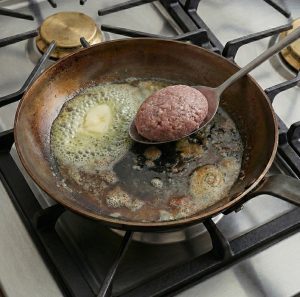
- The First Dip: Dip a large tablespoon into the hot fat in the pan. This creates a “non-stick” coating on the spoon so the meat slides off easily.
- The Scoop: Take the spoon and scoop up a portion of the meat mixture (roughly the size of a small egg) against the side of the bowl.
- The “Palm Press”: Use the palm of your free hand to gently press the meat against the bowl of the spoon. You are looking to create a smooth, rounded top and a flat bottom.
- The Flick: Using the side of the bowl to help “cutoff” the portion, flick the meatball directly into the hot pan.
- The Flatten: Once it hits the pan, use the back of the spoon (dipped in fat again) to lightly press down on the top to ensure it’s slightly oval and flat, which helps it cook evenly.
Short on time tonight?
If you don’t feel like going through the trouble of making Frikadeller, but are craving something Danish and delicious try my Millionbøf recipe instead. It’s a hearty one-pot ground beef dish ready in 30 minutes — equally satisfying with half the effort.
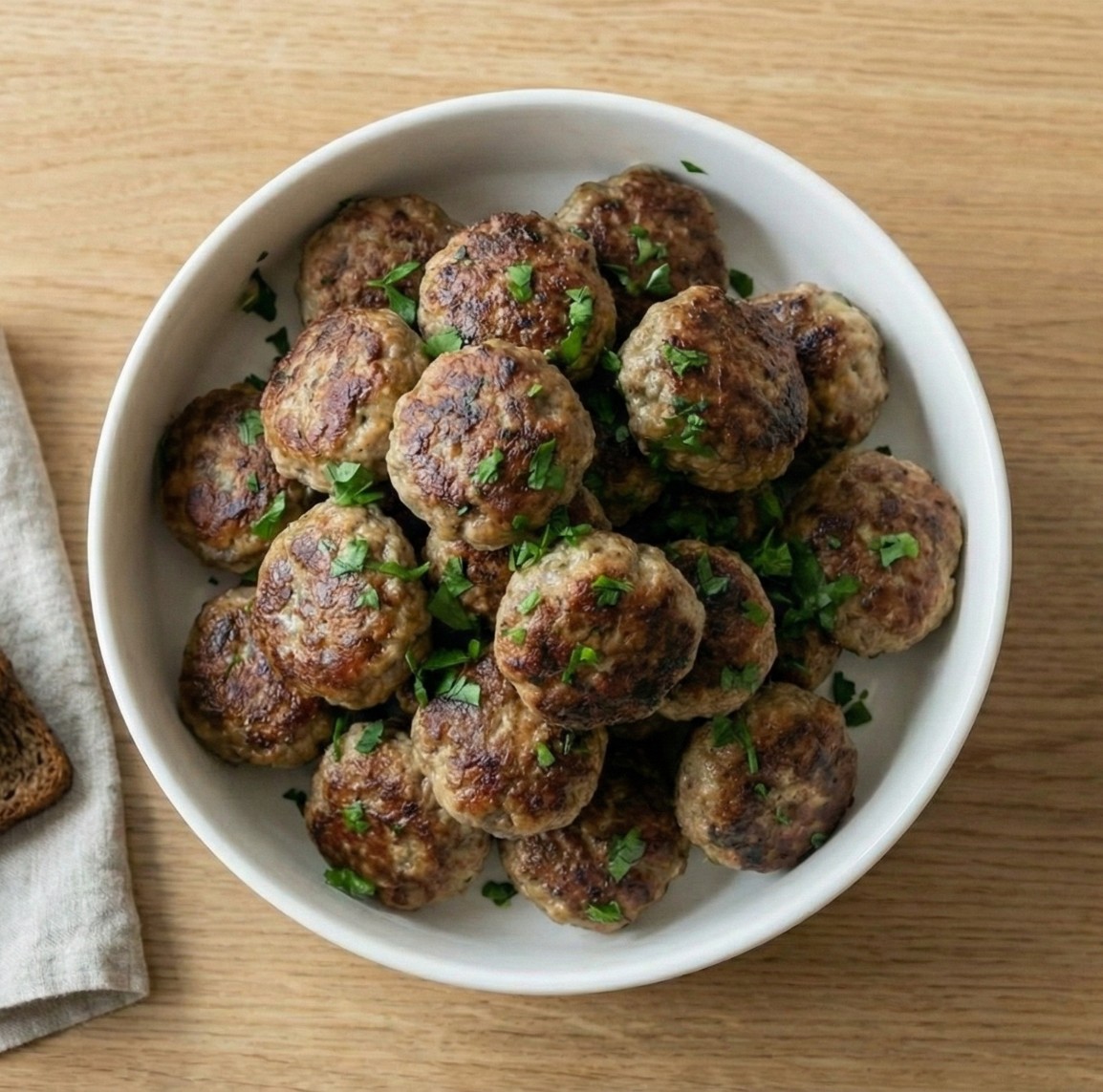
Fluffy Danish Meatballs (Frikadeller)
Ingredients
Method
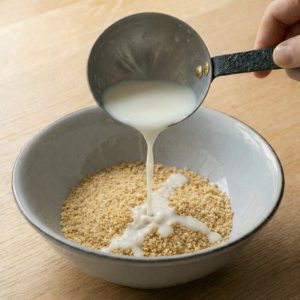
- In a small bowl, combine the breadcrumbs, milk and club soda.
- Let sit for 5–10 minutes until the crumbs absorb the liquid and soften.
- In a larger bowl, combine the ground pork, grated onion, garlic (if using), beaten egg, soaked breadcrumbs, flour, salt, pepper, and nutmeg (and/or allspice).
- Mix gently with your hands or a spoon until just combined. Avoid over-mixing to keep the frikadeller tender.
- If the mixture seems too wet, you can add a little more flour or soaked breadcrumbs. (It's supposed be a bit wet and sticky compared to other meatballs)
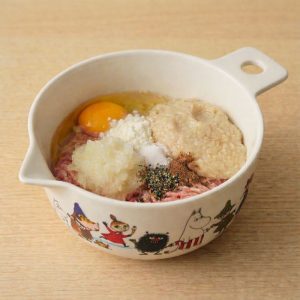
- Cover and refrigerate the mixture for atleast 30 minutes, but no more than 12 hours.
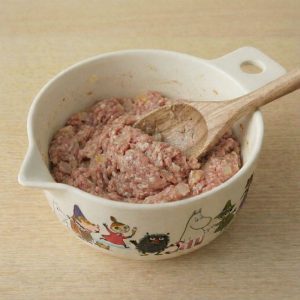
- Warm a large frying pan over medium heat and add the butter or oil, swirling to coat the surface.
- Shape the frikadller with a greased spoon and the palm of your hand like Danish Grandma (see guide above)
- Working in batches to avoid crowding, add the patties to the pan
- Fry for about 4–5 minutes per side, turning once or twice, until each frikadelle is golden brown all over and the center feels firm-but-springy; if you’re using a thermometer, aim for 71°C / 160°F.”
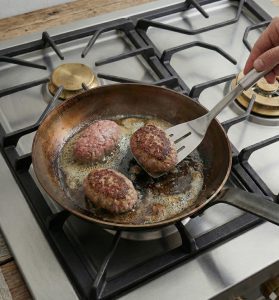
- Transfer cooked frikadeller to a plate lined with paper towels to drain any excess fat.
- You can keep them warm in a low oven (about 200°F/95°C) while you cook the remaining patties.
- Serve the meatballs hot or cold with your chosen sides (see Notes).
FAQ
Usually one of three things: pork too lean, mixture overmixed, or too much heat. Use pork with about 20% fat, mix gently, and fry over medium heat so the inside cooks before the crust gets too dark.
Yes. Cool fully, freeze on a tray, then bag. Reheat in a low oven (150°C / 300°F) until hot, then briefly raise heat to re-crisp the surface.
Absolutely. A 50/50 mix is common. The flavor becomes slightly deeper and the texture a bit firmer—still very traditional.
See the “How to Shape Frikadeller Like a Danish Grandma” guide above.
The mixture was likely over-mixed after the flour was added, which develops excess gluten and protein structure, or the meat blend was too lean and lacked the fat needed for a tender texture.
I use beer sometimes.
Grating onions releases moisture-rich juices, creates a seamless texture that prevents the meatballs from falling apart, and ensures perfectly even flavor distribution in every bite.
Usually, this is due to either too much liquid or not enough resting time. Make sure you let the meat mixture rest in the fridge for at least 30 minutes. This allows the flour or breadcrumbs to fully hydrate and act as a “glue.” If the mixture still feels too loose, stir in an extra tablespoon of flour.
The pan was overcrowded or the heat was too low. When you put too many meatballs in the pan at once, the temperature drops rapidly, and the meat begins to steam in its own juices rather than sear. Fry them in batches, and make sure the butter is foaming and quiet (which means the water has evaporated) before adding the meat. Using a thick-bottomed pan helps retain the heat.
The spoon is dry or cold. Keep a small bowl of warm water or use the hot fat from the pan to dip your spoon into before every single scoop. A “lubricated” spoon is the only way to get that smooth finish.