
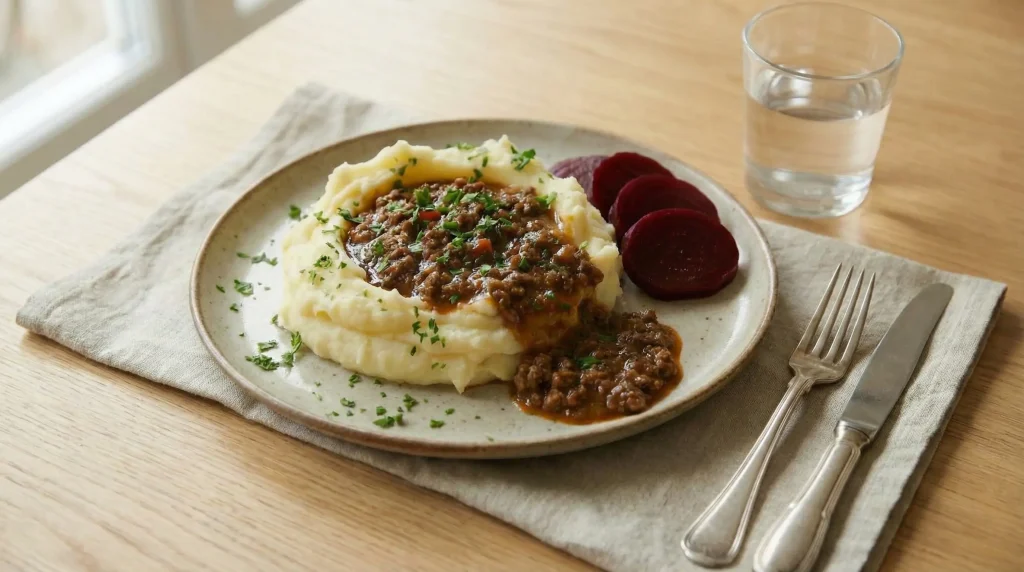
Millionbøf (Million Beef) – A Cozy Danish Classic
If you speak Danish, the name Millionbøf might make you chuckle—it literally translates to “Million Steaks.” It’s a playful nod to the “million” tiny crumbles of ground beef swimming in a rich, savory gravy. This is Danish comfort food at its finest.
Essentially, it is a hearty ground beef stew in a savory brown sauce, typically ladled over creamy mashed potatoes. It is the kind of meal that warms you to your core and leaves you completely satisfied.
If you are new to Scandinavian cooking, think of this as the Danish cousin of American hamburger gravy or a rustic Bolognese (minus the tomatoes and herbs). It is simple, soul-satisfying, and made with everyday ingredients.
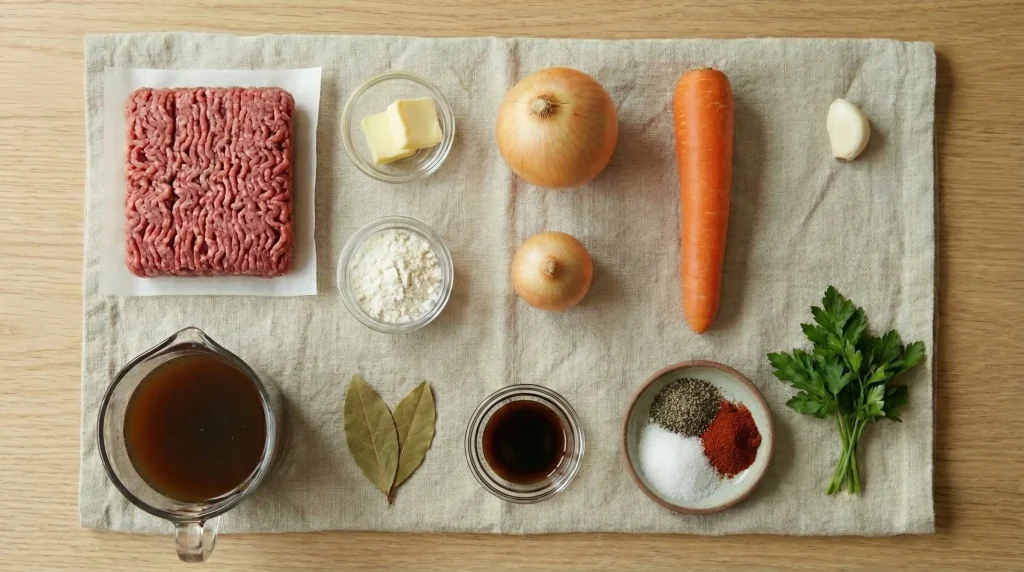
What is Millionbøf?
Millionbøf (pronounced roughly “MIL-yun-burf”) has been a beloved weeknight staple in Denmark for generations. It is humble and unpretentious—not a dish vying for Instagram fame—but one taste and you will understand why it is so adored.
The dish consists of three main elements:
- The “Million” Steaks: Ground beef broken up into many small pieces (hence the name) and sautéed until tender.
- The Gravy: A deep, savory brown sauce thickened with flour and often colored with a drop of kulør (a caramel-based browning sauce).
- The Base: Most traditionally served over a mountain of mashed potatoes, though you will also see it paired with boiled potatoes, rice, or buttered pasta. Try some Danish Rye Bread on the side for a rustic twist.
A Dish Rooted in History
At its heart, millionbøf reflects Denmark’s practical “meat-and-potatoes” heritage. Dating back to at least the mid-20th century, the recipe was designed to be budget-friendly. In the old days, a small amount of beef had to be stretched to feed a whole family; by breaking it into “a million” pieces and simmering it in a thick gravy, home cooks could create a filling meal that went a long way.
Because it is so economical and easy to eat, it became a fixture in school cafeterias and family dinner tables across the country. It is not usually found in high-end restaurants; millionbøf is home cooking, through and through.
The “Cheeky” Nickname
The dish is so deeply tied to everyday Danish life that it earned a rather infamous nickname: “væltet lokum.”
Fun Fact: In Danish slang, this translates to “tipped outhouse”—a lighthearted, self-deprecating reference to the dish’s messy, brown appearance. Don’t let the humor deter you; the flavor is decidedly more appetizing than the nickname suggests!
Why You’ll Make This Again and Again
While the history is fascinating, millionbøf stays in the modern rotation because it just works.
- Budget-Friendly Feasts: This dish was invented to make a little bit of meat go a long way, and that trick still works today. It is an incredibly economical way to feed a whole family without sacrificing flavor or fullness.
- Dinner in 30 Minutes: Unlike many stews that require hours of simmering to get tender, ground beef cooks up in minutes. You get that rich, “slow-cooked” Sunday dinner feeling on a frantic Tuesday night schedule.
- Impossible to Mess Up: This is a forgiving recipe. Whether your gravy is thick or thin, or you serve it over potatoes or pasta, it’s going to taste delicious. It’s the perfect confidence-builder for home cooks new to Scandinavian flavors.
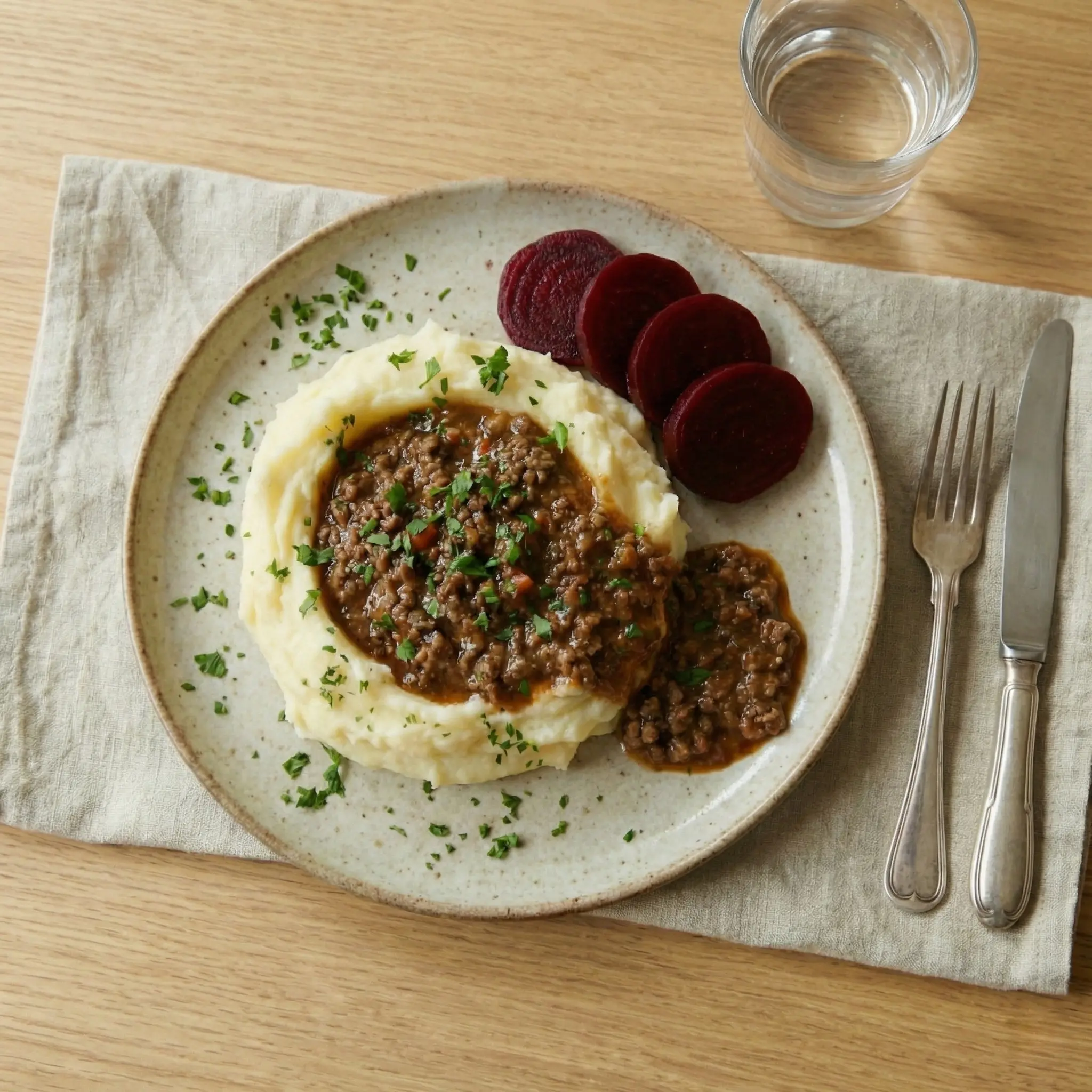
Danish Millionbøf
Ingredients
Method
- Chop the veggies: Finely chop the onions and carrots. Mince the garlic. Having everything prepped and ready will make cooking go smoothly.
- Sauté the veggies: In a large pot or deep sauté pan, melt the butter over medium heat (or heat the oil). Add the chopped onions and carrots. Cook, stirring occasionally, for about 5–7 minutes until the onions turn translucent and start to golden around the edges. Stir in the garlic during the last minute of this step so it doesn’t burn. You want them soft and just beginning to caramelize. Season the veggies with a pinch of salt and pepper as they cook – this layers in flavor from the start.
- Optional – add bacon: For an extra flavor boost, you could begin by frying some diced bacon until lightly crisp, and then sauté the veggies in the bacon fat (no need for butter then). Not traditional, but very delicious.

- Add the ground beef: Increase heat to medium-high. Crumble the ground beef into the pot with the onions (if there’s a lot of fat from butter, you can drain a little off, but leave some for flavor). Use a wooden spoon or spatula to break the beef into small bits as it cooks.
- Brown it really well: This step is key to a flavorful millionbøf. Let the beef cook undisturbed for a few minutes at a time so that it browns nicely on one side before you stir – you’re looking for some deep brown, crispy bits. If you stir too often or overcrowd the pan, the beef will just steam and turn gray. If your pot is small, consider browning the beef in batches (setting aside the browned meat and then combining later) so that each bit gets a chance to sear. It takes a little patience, but getting that rich browned crust on many of the beef bits will add tremendous depth to your gravy.
- Season and stir: As the beef browns, season it with another pinch of salt and pepper. Add the ½ tsp of paprika now, tossing to coat the meat. The paprika will cook in the fat and release its color and flavor. Continue cooking until the beef is thoroughly browned (no pink remaining) and you see some crunchy-looking edges on a few pieces. This can take about 5–8 minutes. Don’t worry if the bottom of the pot develops brown fond (sticky bits); that’s flavor we’ll use.

- Deglaze the pan: Once the beef is browned, it’s time to get all those tasty browned bits off the bottom of the pan. Pour in a splash of the beef stock (about 50–100 ml or 1/4–1/2 cup) into the hot pan. It will sizzle and steam – immediately use a wooden spoon to scrape up all the browned bits from the bottom. This is called deglazing, and it dissolves those flavorful bits into the liquid, forming a great base for our gravy.
- Add the rest of the stock: After deglazing, add the remaining beef stock to the pot. The beef and veggies should be just barely covered by liquid; if not, add a bit of water until they are.
- Bay leaves & Worcestershire: Drop in the bay leaves and stir in the Worcestershire sauce (or soy sauce). These will infuse the gravy as it simmers. Also add a few grinds of black pepper (to your taste).
- Simmer: Bring the pot up to a gentle boil, then reduce heat to low to maintain a simmer. Cover with a lid (ajar is okay) and let it simmer for about 15–20 minutes. This allows the flavors to meld and the beef to become tender. Give it a stir once or twice to make sure nothing is sticking. (If you’re in a real hurry you could shorten the simmer, but even 10 minutes helps. If you have more time, you can simmer longer – 30 minutes or even up to 45 – for even deeper flavor; just watch that it doesn’t dry out, adding a splash of water if needed.)
- Optional additions: During the simmer, you can toss in a sprig of fresh thyme or rosemary if you like an herbal note (remove it before serving, along with the bay leaves). This is entirely optional and not traditional, but a tiny sprig can add a subtle aroma. Also, if you happen to have a tablespoon of red wine on hand, you could stir that in along with the stock earlier – it will cook off and add complexity. These little tweaks can elevate the sauce, but the dish will be delicious even without them.

- You know how to do this. If not, ask your mother.
- Make a slurry: In a small bowl or cup, stir the 2 tbsp of flour into about 100 ml (~6 or 7 tbsp) cold water. Mix it well so there are no lumps – it should look like a smooth, thin paste. (If using cornstarch instead, 1 tbsp cornstarch in 2 tbsp water will do; cornstarch is more potent thickener.)
- Add slurry to simmering pot: Raise the heat slightly to get the stew bubbling. Remove the bay leaves now (and herb sprig, if you added one). Stir the stew with one hand while slowly drizzling in the flour slurry with the other hand. The hot liquid will immediately start to thicken. Add about 2/3 of your slurry first and see how thick the gravy gets. It should become nicely coating and gravy-like, not watery, but also not a solid paste. If it’s still thinner than you like, add the rest of the slurry. If it gets too thick, just stir in a bit more water or stock to loosen it. Cook for another minute or two at a gentle boil while stirring, to cook out any raw flour taste and let the gravy fully thicken.
- Adjust seasoning: Taste your millionbøf and add more salt or pepper if needed. (Be careful – if your broth was salted or you used a bouillon cube, it might already be adequately salty.) If you feel it needs a little more punch, a few extra drops of Worcestershire or a pinch more pepper can be added. Once seasoned to perfection, turn off the heat.

- Plate it up: Spoon a generous heap of warm mashed potatoes onto each plate (or bowl). Create a little well in the center of the mash and ladle that glorious millionbøf gravy right into it. The sauce will run over the sides – that’s perfect. You want plenty of gravy with each serving.
- Garnish: If you like, sprinkle a bit of chopped fresh parsley on top of the millionbøf. The pop of green is pretty and adds a hint of freshness to each bite.
- Add pickles: Don’t forget the pickled beets or cucumbers on the side! Place a few slices of pickled beetroot alongside the mash, or a small pile of sliced pickled cucumber. The bright, sweet-and-sour tang of pickles is a traditional pairing and really balances the rich, savory beef and potatoes. If you’ve never tried pickled beets with beef gravy, you’re in for a treat – it’s a surprisingly perfect combo.
- Dig in: Millionbøf is best enjoyed immediately while hot. Make sure each forkful has a bit of potato, a bit of gravy, and a bit of pickle for the full experience. Velbekomme! (That’s “enjoy your meal” in Danish.)
FAQ & Troubleshooting
Millionbøf translates to “million beef” or “million steaks” in Danish. The whimsical name comes from the appearance of the dish – the ground beef is broken up into so many small pieces in the gravy that it looks like “a million” little bits of meat. It’s a fun name for a humble dish.
Millionbøf is pronounced “MIL-yun-burf” (with that last syllable sounding like “berf” but with an “oo” shaping your lips, as Danish ø is similar to the “u” in burn). If that’s tricky, you can simply say “million beef.” Most people will understand what you mean!
Lumpy gravy usually means the flour wasn’t fully blended or it clumped when added. To prevent lumps, always whisk the flour with cold water before adding to the hot pot – never dump dry flour straight into the stew. Add the flour slurry slowly while stirring the simmering liquid. If you still see lumps, keep stirring and lightly mash them against the pot side; small ones should dissolve. In a worst-case scenario, you can strain the gravy through a sieve to remove lumps, or use an immersion blender for a few seconds. Using cornstarch instead of flour can also help avoid lumps, as cornstarch blends more smoothly. Once you have a lump-free gravy, keep it at a low gentle simmer after thickening – boiling vigorously can sometimes make flour lump up again or turn gummy.
Not a problem! It sounds like either too much thickener was added or there wasn’t enough liquid. Millionbøf gravy should be spoonable, not scoopable. To fix an overly thick sauce, simply stir in more liquid (hot water, broth, or even a bit of milk) a little at a time over low heat until it loosens to a gravy consistency. Next time, add your flour slurry in increments and stop when the gravy coats the back of a spoon. Remember you don’t have to use all the thickener if it’s not needed. Also, keep in mind the gravy will thicken a bit more as it cools on the plate, so slightly looser in the pot is okay.
If your sauce is too thin, you likely didn’t add enough flour/cornstarch, or perhaps you added a bit too much liquid. No worries – you can still save it. Mix another teaspoon of flour or 1/2 teaspoon of cornstarch with a bit of cold water to make a slurry, then stir it into the simmering sauce. Give it a few minutes to thicken. Alternatively, you can just simmer the sauce uncovered for longer, which will reduce it and naturally thicken (just stir occasionally to avoid sticking). For the future, note that 2 tablespoons of flour per 500 ml of liquid should give a medium-thick gravy; you can adjust up or down to your liking.
Millionbøf is meant to be mild and kid-friendly, but it shouldn’t be bland. If it tastes flat, try these tips:
Season properly: Add a good pinch of salt and pepper at each stage – when sweating onions, browning beef, and after simmering – rather than all at the end. Layering seasoning makes a big difference. Taste before serving and don’t be afraid to add a bit more salt if needed (especially if you used unsalted broth).
Use a flavorful broth: A weak stock can lead to a weak gravy. Next time, use a high-quality beef stock or bouillon. You can even add a crumbled bouillon cube in addition to your broth for extra richness.
Umami boosters: Worcestershire sauce is a great addition – its tangy depth can really amp up flavor. A teaspoon of soy sauce can similarly add savoriness (just watch salt). Some Danish cooks stir in a tablespoon of red currant jelly or tomato ketchup to give a touch of sweetness and acidity that wakes up the gravy. It won’t taste sweet, it just adds complexity.
Brown the meat well: Make sure you got a good browning on the beef and onions. If the meat was just gray, you’ll miss out on those caramelized flavors. Next time, take the time to really sear the meat (in batches if needed). Those browned bits = flavor.
Add herbs or spices: If you still find it too plain, try a bay leaf (if you didn’t), a dash more pepper, or a pinch of garlic powder. Even a little onion powder can bolster the savoriness. Remember, traditional millionbøf is simple, but your kitchen = your rules for taste!
Absolutely. In fact, like many stews, millionbøf can taste even better the next day after the flavors meld. You can cook it fully, let it cool, and refrigerate it for up to 3–4 days. Reheat on the stovetop over medium-low heat, stirring occasionally, until hot. You might need to add a splash of water or broth when reheating, as the gravy tends to thicken up in the fridge. If it got too thick, don’t worry – just loosen with liquid as mentioned. Reheat the mashed potatoes separately (you can rewarm them in a microwave or in an oven covered with foil, adding a bit of milk if they’ve stiffened up). Or, if making ahead, consider only making the meat sauce and boiling fresh potatoes on the day of serving – that’s often easiest. Freezer tip: Millionbøf also freezes well. Store the cooled beef gravy in an airtight container or freezer bag for up to 2-3 months. Thaw overnight in the fridge and reheat. The texture of the sauce might be a little thicker after freezing; just reheat gently and stir in liquid as needed. (I don’t recommend freezing mashed potatoes – those don’t thaw as nicely, but the meat part is fine to freeze.)
You might hear Danes also refer to it as “1000-bøf” (thousand beef) – same idea, just fewer “steaks” in the name. The most colorful nickname, as mentioned, is “væltet lokum” which translates to “tipped-over outhouse”. It’s a bit of potty humor describing how the dish looks like a big mess! Rest assured, despite the messy appearance, the taste is delicious. These names are mostly used humorously. On English menus or blogs, it’s sometimes just called “million beef” or “million steak stew.” But you now know they all mean that yummy Danish beef-and-gravy dish we love.
Yes, in different cultures there are comparable comfort foods. For example, in the US, hamburger gravy (ground beef in a brown gravy often served over mashed potatoes) is very similar in concept. It’s basically the American cousin! In Latin America, picadillo – a spiced ground meat stew (often with tomatoes and veggies, served over rice) – is somewhat akin to a zesty version of millionbøf. And of course, it’s reminiscent of an Italian meat sauce minus the tomato and herbs. Essentially, many cuisines have a way of simmering ground meat in a savory sauce to pour over starch. Millionbøf is the Danish take on that idea, with its own simple, cozy character.
Leftover millionbøf is a treat! Store the meat and gravy separate from the mash if possible (so the potatoes don’t absorb all the sauce). Reheat in a pot or microwave until hot. You can reuse it in fun ways: make a quick shepherd’s pie by topping the heated millionbøf with leftover mashed potatoes and broiling until lightly browned. Or serve it over toast for a Danish-meets-diner open-faced sandwich (a bit like SOS, if you know that old-fashioned dish). You could even toss the reheated millionbøf with cooked egg noodles to create a makeshift beef pasta – add a dollop of sour cream and you’ve got something close to a stroganoff. Be safe and use up leftovers within a few days (or freeze as noted). But honestly, you might find the pot is scraped clean the first night!
With these tips and guidelines, you’re all set to create your own Danish millionbøf experience. This dish truly embodies “hygge” – that special Danish sense of coziness and contentment – in edible form. It’s unfussy, warming, and made with love. Whether you’re indulging in nostalgia for Scandinavian comforts or discovering millionbøf for the first time, we hope it brings a hearty smile to your table.
Velbekomme and happy cooking! Enjoy your millionbøf with those you love, on a lazy evening when comfort food is just what you need.
(Did you make this recipe? Let us know how it turned out, and if you tried any twists! The beauty of millionbøf is how each cook can make it their own – just like generations of Danish families have done.)
More Classic Danish Recipes to Try
If you enjoyed the savory comfort of Millionbøf, you will love these other authentic favorites from the Danish kitchen:
- Fluffy Danish Meatballs (Frikadeller): The undisputed king of Danish dinner tables. If you want to master Danish cooking, these tender pork meatballs are the next recipe you should try.
- Danish Chicken Soup (Hønsekødssuppe): A clear, warming soup served with dumplings and meatballs—pure soul food for a cold Scandinavian night.
- Danish Fish Cakes (Fiskefrikadeller): Want to switch up the protein? These golden-brown fish patties are a lighter classic, perfect for lunch with a dollop of remoulade.