
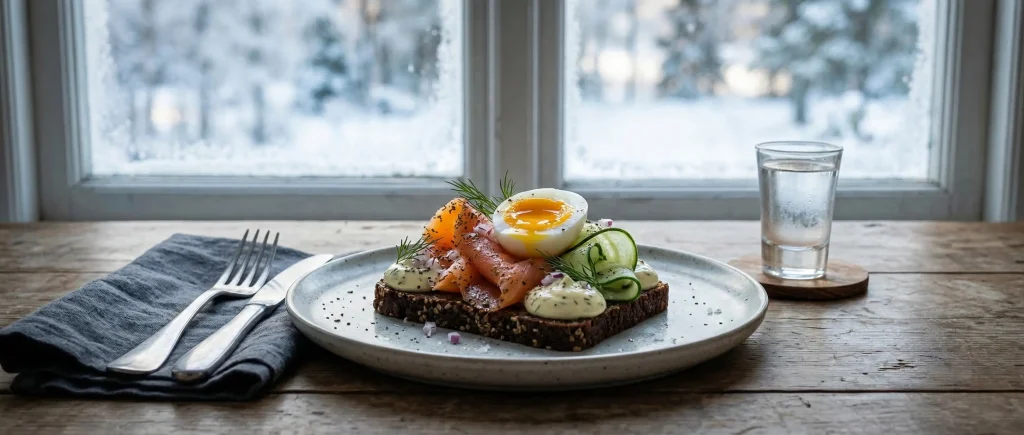
There is a moment — usually somewhere between your third bite and a quiet, reverent pause — when you realize that Danish smørrebrød is not a sandwich with low self-esteem. It is not simply a slice of bread that misplaced its lid. It is, in fact, a meticulously constructed architectural achievement, governed by unspoken rules older than most American cities, and it deserves every bit of the ceremony the Danes lavish upon it.
If you’ve ever eaten a limp deli sandwich and thought, there must be a better way — congratulations. The Danes found it centuries ago.
What Is Smørrebrød? The Danish Open-Faced Sandwich Explained
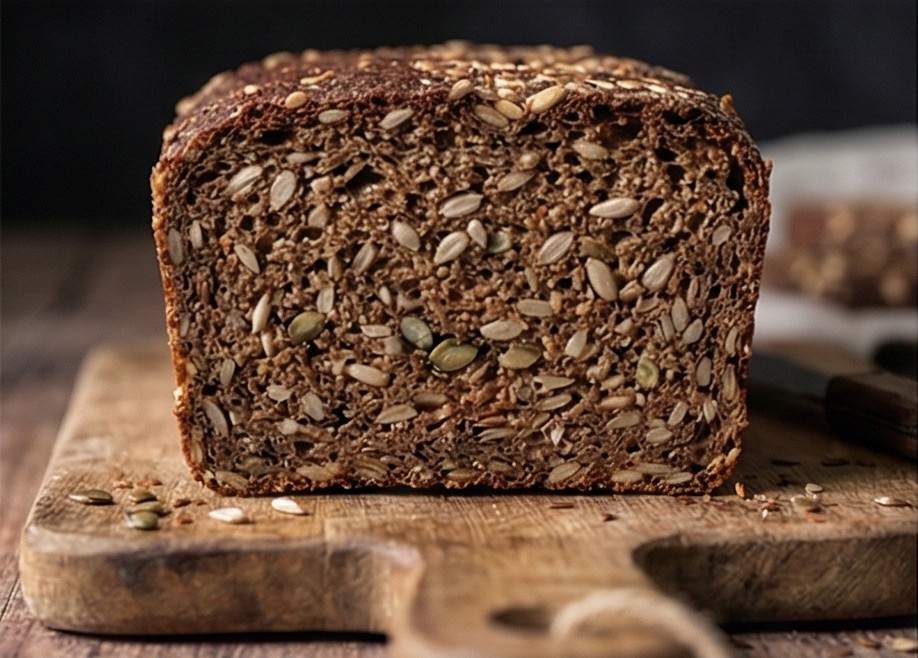
The word smørrebrød translates literally to “butter bread” (smør = butter, brød = bread), which might sound underwhelming until you see one assembled properly. The base is almost always a thinly sliced piece of rugbrød — Denmark’s famously dense, dark rye bread packed with seeds, cracked rye, and a faintly toasty, earthy depth that makes ordinary sandwich bread feel like a distant, disappointing cousin. Don’t be fooled by the modest thickness; rugbrød is so dense and sturdy that a single slim slice does the structural work of something twice its size.
On top of that slab of rugbrød, the magic begins: carefully layered toppings, each one chosen for flavor, color, and the quiet drama of how they look stacked together. It’s served open-faced, eaten with a knife and fork, and taken entirely seriously as a lunchtime institution. In Denmark, smørrebrød isn’t on the lunch menu — it practically is the lunch menu.
The Base: Why Rugbrød Is the Only Bread for Smørrebrød
Here’s where many international interpretations go wrong: they swap out the rugbrød for whatever dark rye bread happens to be on the shelf — a light Swedish-style crispbread, a loose-crumbed deli rye, or a caraway-heavy German Landbrot. All fine breads in their own right. None of them are rugbrød.
The difference lies in the construction. Danish rugbrød is a whole-grain, sourdough-fermented, seed-studded loaf that bakes up almost impossibly dense and moist — more akin to a firm terrine than what most people picture when they hear “bread.” That density is precisely what makes it structurally suited to smørrebrød. A proper thin slice of rugbrød can support generous, heavy toppings without buckling, absorb the fat layer without going soggy, and deliver enough earthy, tangy flavor to hold its own against briny herring or bold roast beef. A lighter rye simply can’t do all of that at once.
Our Danish Rye Bread (Rugbrød) recipe is your perfect canvas. It uses familiar pantry ingredients — rye flour, seeds, dark molasses, and a long overnight rest that rewards patience in exactly the way good Scandinavian cooking always does. Bake it on a Sunday afternoon, let it rest overnight, and you’ll slice into it Monday morning feeling inexplicably Danish.
Rule One: The Fat Layer Is Sacred
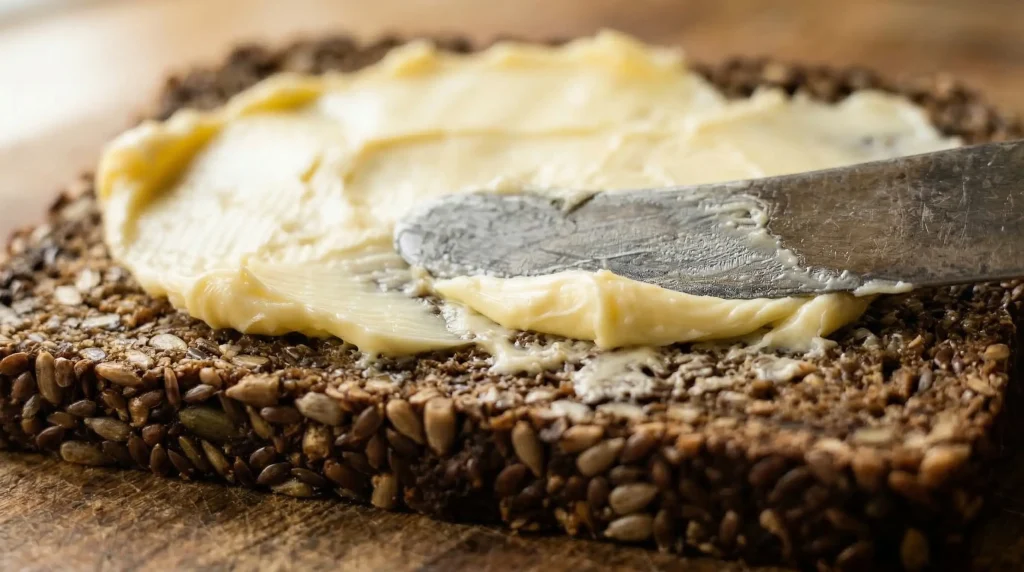
Before a single topping touches the bread, the Danes apply a generous, edge-to-edge layer of fat. Traditionally this is cold, lightly salted butter — spread thickly and deliberately all the way to the crust. Some classic preparations call for svinefedt, a seasoned lard with crispy bits of pork, which sounds alarming until you taste it and immediately understand why Denmark has survived so many cold winters so cheerfully.
This isn’t about richness for its own sake (though there’s nothing wrong with that). The fat layer serves a practical, architectural purpose: it creates a moisture barrier between the dense bread and the wet toppings, preventing the rugbrød from going soggy while you eat. Think of it as the foundation waterproofing of your edible skyscraper.
Don’t skim here. Don’t use a thin scrape of butter like you’re watching calories on a January Tuesday. The Danes have been doing this since the 14th century, and they are not apologizing.
Rule Two: There Is an Order of Operations
This is the part that tends to fascinate people unfamiliar with Danish lunch culture, because smørrebrød — at its most ceremonial — is not a free-for-all. On everyday occasions, one or two pieces make a perfectly complete lunch. But when Danes gather for a traditional smørrebrødsfrokost — a special, leisurely lunch celebration, the kind reserved for birthdays, holidays, or long Friday afternoons — multiple pieces are served in a specific sequence, and that sequence is observed.
The general hierarchy goes like this:
- Pickled herring first — always. It’s the palate opener, briny and acidic, served on rugbrød with onion and capers.
- Other seafood next — smoked salmon, gravad laks, fish cakes, shrimp.
- Then lighter meats — such as frikadeller (those beloved Danish meatballs) or chicken.
- Roasted or heavier meats last — roast beef, liver pâté, leverpostej.
And whether you’re having one piece or four, one rule holds firm: seafood and terrestrial meat do not share the same plate, mixing them is considered a major faux pas.
The Danish Art vs. The Swedish Cousin
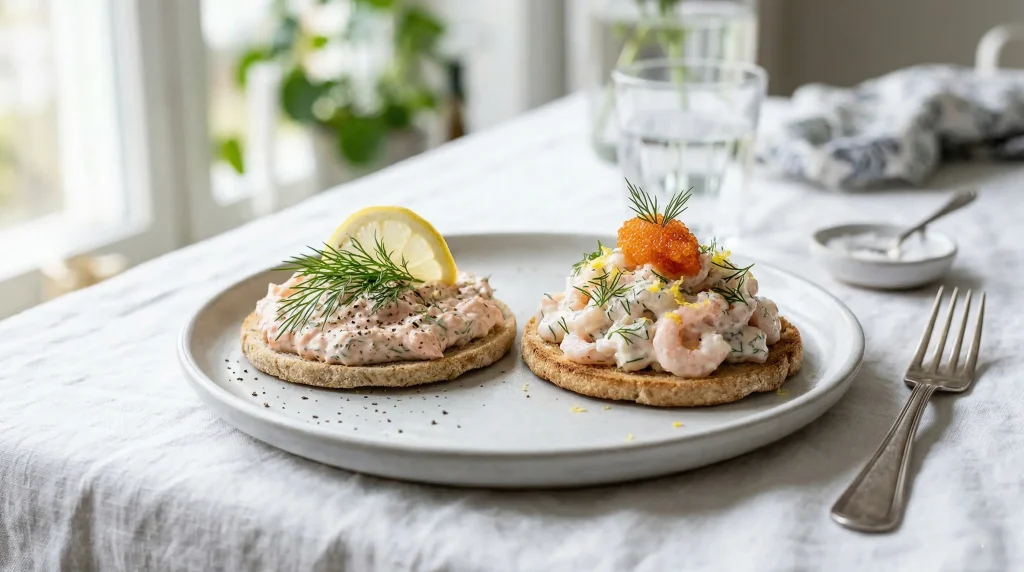
It’s worth noting that Sweden has its own wonderful tradition of open-faced rye sandwiches. Swedish versions often lean slightly creamier and more delicate in their toppings — particularly when showcasing beloved spreads like Laxröra (smoked salmon cream) or the festive classic Skagenröra (shrimp toast topping) served atop a thin round of bread. These are glorious, celebratory, and wonderfully indulgent. But they are gentler affairs — looser and more improvisational than the structured formality of Danish smørrebrød, which treats assembly as close to a performance art. Think of Swedish open-faced sandwiches as jazz; Danish smørrebrød is a symphony with a conductor.
Three Classic Smørrebrød Toppings to Make at Home
The good news: you don’t need to fly to Copenhagen or hunt down obscure Nordic ingredients. These three combinations use things you can find at any well-stocked grocery store almost anywhere in the world.
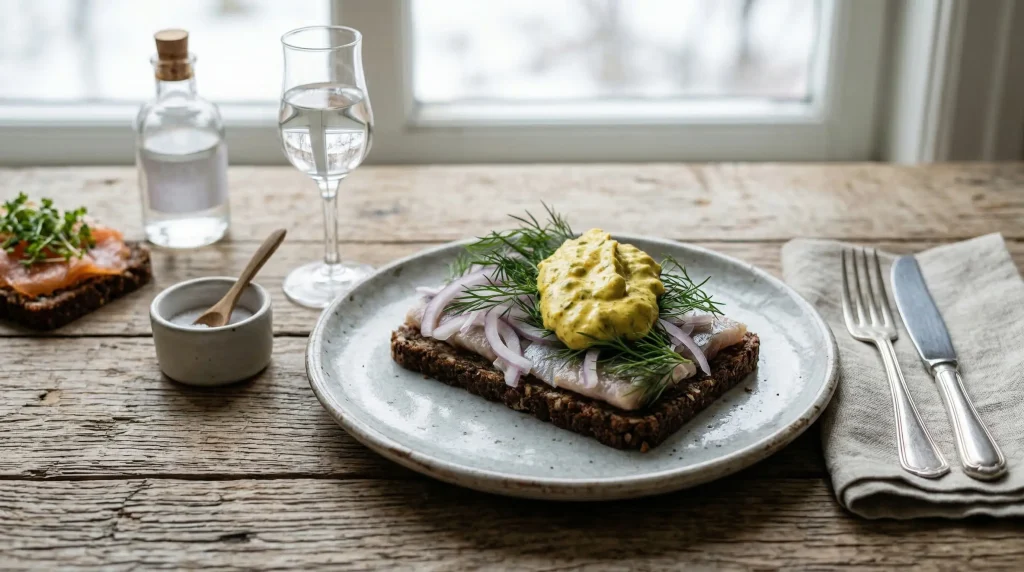
1. The Classic Revival
Tinned sardines or pickled herring · sharp red onion · fresh dill · curry remoulade
This is smørrebrød at its most honest and most Danish. Briny fish, sharp raw onion, a cloud of fresh dill, and a generous off-center spoonful of curry remoulade — it’s the combination that has been anchoring lunch counters in Copenhagen for generations, and it earns every bit of that tenure. Simple to assemble, impossible to improve upon.
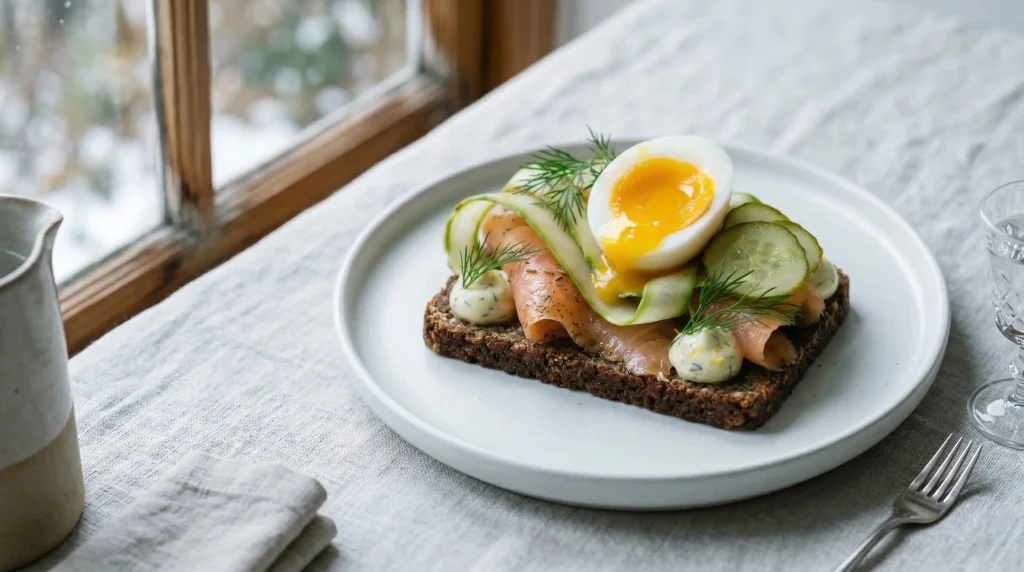
2. The Modern Midnight Sun
Gin-cured salmon · shaved raw asparagus · lemon-dill mayo · jammy soft-boiled egg
If there’s one topping that earns its place on a smørrebrød board through sheer elegance, it’s a good gravad laks — and our Gin-Cured Salmon is the kind that makes people ask for the recipe before they’ve finished chewing. The botanical notes from the gin cure add a quiet complexity that smoked salmon simply can’t match. Pile it dramatically, crown it with a gloriously jammy egg yolk-side up so it gleams like a small golden Nordic sun, and accept the compliments gracefully. This is the one that gets photographed before it gets eaten.
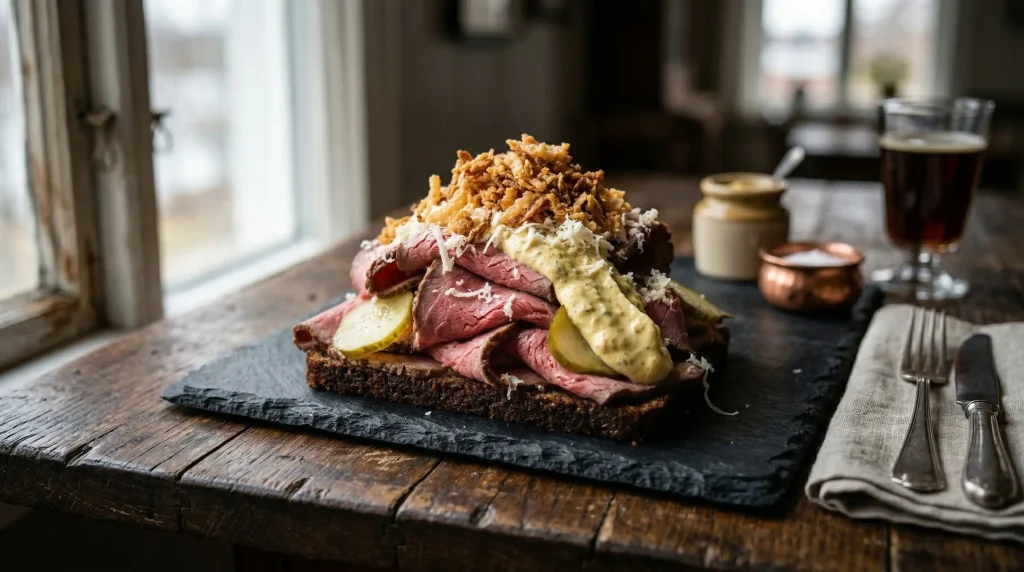
3. The Rustic Hunter
Rare roast beef · Danish remoulade · freshly grated horseradish · crispy fried onions · pickled cucumbers
This is the heavyweight. The one that makes you put down your phone, pick up your knife and fork, and commit fully to the experience. It follows the classic Danish roast beef smørrebrød (roastbeef smørrebrød) that has anchored Danish lunch counters for over a century — and the cardinal rule applies here more than anywhere else: this is a mountain of roast beef situation. Restraint is not invited. The result hits every note at once — tender beef, tangy pickles, creamy remoulade, sharp horseradish, and shatteringly crispy onions. It is, without apology, a small act of genius.
FAQ & Troubleshooting
You skipped the butter layer — or you used too little. The fat barrier is functional, not decorative. Spread cold butter generously, all the way to the edges, and let it form a proper seal before adding toppings. If using particularly wet toppings (pickled things, remoulade), pat them gently dry or add them last.
You can, but you’ll be making a different dish. Sourdough is delicious — it simply can’t replicate the earthy density and structural integrity that makes smørrebrød smørrebrød. If you’re not ready to bake rugbrød yet, try our Finnish Archipelago Bread as an alternative dark rye base.
About 1/2 inch (1.2 cm) is the Danish standard — thick enough to hold toppings, thin enough to eat without unhinging your jaw. Rugbrød is sliced far thinner than you’d expect; the density does the structural work, not the thickness.
Two likely culprits: the bread is too warm (toppings slide off warm bread — chill the bread slightly), or you’re stacking too high without anchoring elements. The remoulade or mayo-based spreads act as natural “glue” — apply them directly to the butter layer before adding other toppings for better adhesion.
Partially. You can prep all toppings up to a day in advance and store them separately. Assemble smørrebrød no more than 20 minutes before serving — the fat layer holds, but fresh toppings on fresh bread is always the goal.
At home, nobody will arrest you. But traditionally, especially for the more elaborate versions, smørrebrød is eaten with a knife and fork
Absolutely. Classic vegetarian toppings include sliced radishes with butter and sea salt, avocado with pickled onions, or a sharp cheese with fruit preserves and walnuts. For vegan versions, substitute the butter layer with a good-quality plant-based alternative.
Traditionally cold beer (lager) or aquavit — a caraway-spiced Nordic spirit served ice cold in small glasses. For a non-alcoholic pairing, sparkling water with a slice of lemon is the clean, refreshing standard.
Smørrebrød is a traditional Danish open-faced sandwich made on a thin slice of dense rye bread (rugbrød), spread generously with butter and topped with carefully layered ingredients such as pickled herring, smoked fish, roast beef, or vegetables. It is served open-faced and eaten with a knife and fork, and is considered a cornerstone of Danish lunch culture.
Both spellings refer to the same concept — an open-faced sandwich — but they belong to two different countries and two slightly different traditions. Smørrebrød (with the Danish ø) is the Danish version: structured, ceremonial, and always built on a slice of dense, dark rugbrød according to rules that have been observed for centuries. Smörrebröd (with the Swedish ö) is the Swedish equivalent, which tends to be lighter, creamier, and more improvisational — and crucially, the bread itself is more flexible: thin toast rounds, light rye, or crispbread are all fair game. Think Skagenröra piled onto a small round of toast rather than a towering roast beef construction on dark rye.
If you’ve seen it spelled smorrebrod with no special characters, that’s simply the anglicised version used when people can’t find the ø on their keyboard — same dish, same idea, slightly more pragmatic spelling. Whatever you call it, the principle is the same: good bread, good fat, excellent toppings, and absolutely no lid.
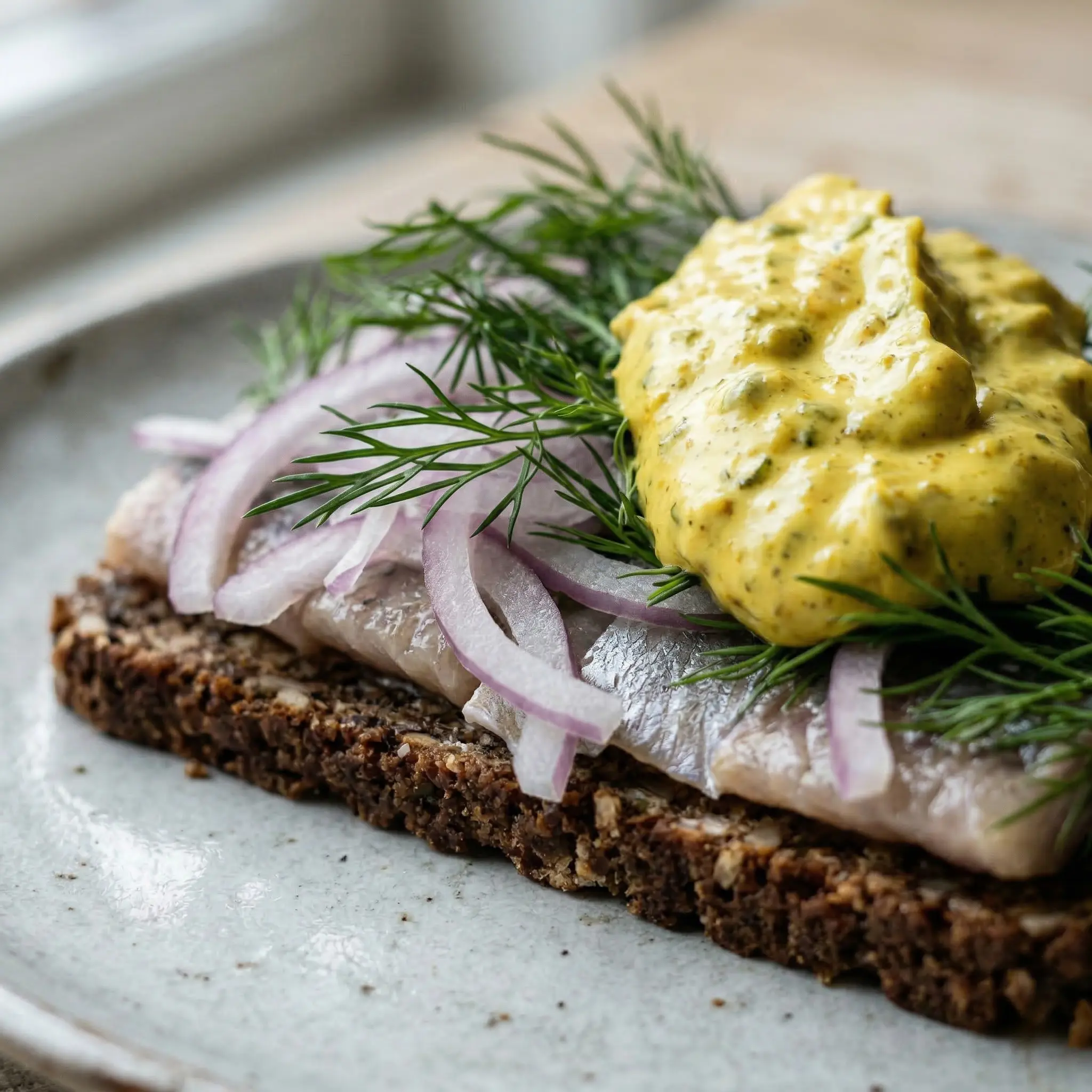
Classic Danish Smørrebrød with Sardines or Pickled Herring (The Classic Revival)
Ingredients
Method
- Slice the rugbrød to about 1/2 inch (1.2 cm) thickness.
- Spread cold butter generously and evenly across the entire surface of the bread, edge to edge.
- Lay the sardines or pickled herring on top of the buttered rugbrød.
- Arrange the thin half-moon slices of red onion over the fish.
- Scatter fresh dill generously over the top.
- Add a generous spoonful of Danish remoulade slightly off-center.
- Serve immediately with a knife and fork.
Notes
Look for Portuguese or Spanish tinned sardines — the quality is outstanding and widely available. If you can’t find pickled herring at your grocery store, IKEA’s food market is a surprisingly reliable source. For the remoulade, use our homemade Danish Remoulade recipe (thenordicdish.com/danish-remoulade-sauce/) for the best result.
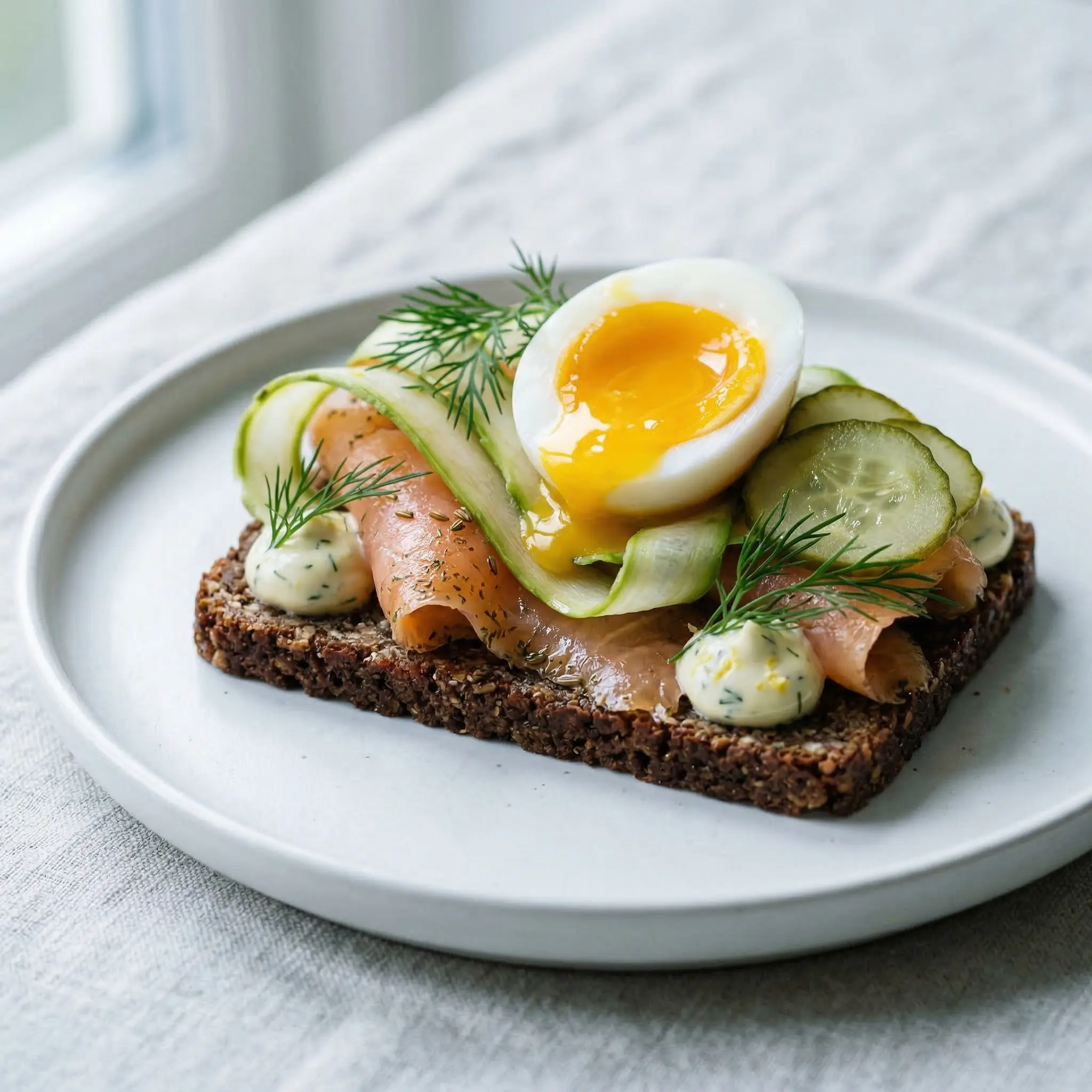
Danish Smørrebrød with Gin-Cured Salmon (The Modern Midnight Sun)
Ingredients
Method
- Bring a small pot of water to a boil. Lower the egg in gently and cook for exactly 6.5 minutes. Transfer immediately to ice water and let cool for 5 minutes. Peel and halve lengthwise.
- Mix the mayonnaise with lemon juice, chopped dill, salt, and white pepper. Taste and adjust seasoning.
- Slice the rugbrød to about 1/2 inch (1.2 cm) thickness.
- Spread cold butter generously and evenly across the entire surface of the bread, edge to edge.
- Add a few spoonfuls of the lemon-dill mayonnaise directly onto the butter layer.
- Lay the gin-cured salmon in loose, casual folds across the bread — aim for gentle peaks and valleys rather than a flat layer.
- Scatter the shaved asparagus ribbons over the salmon.
- Place the halved jammy egg yolk-side up on top.
- Tuck in the pickled cucumber slices alongside the egg.
- Finish with a few fresh dill sprigs and a small pinch of white pepper.
- Serve immediately with a knife and fork.
Notes
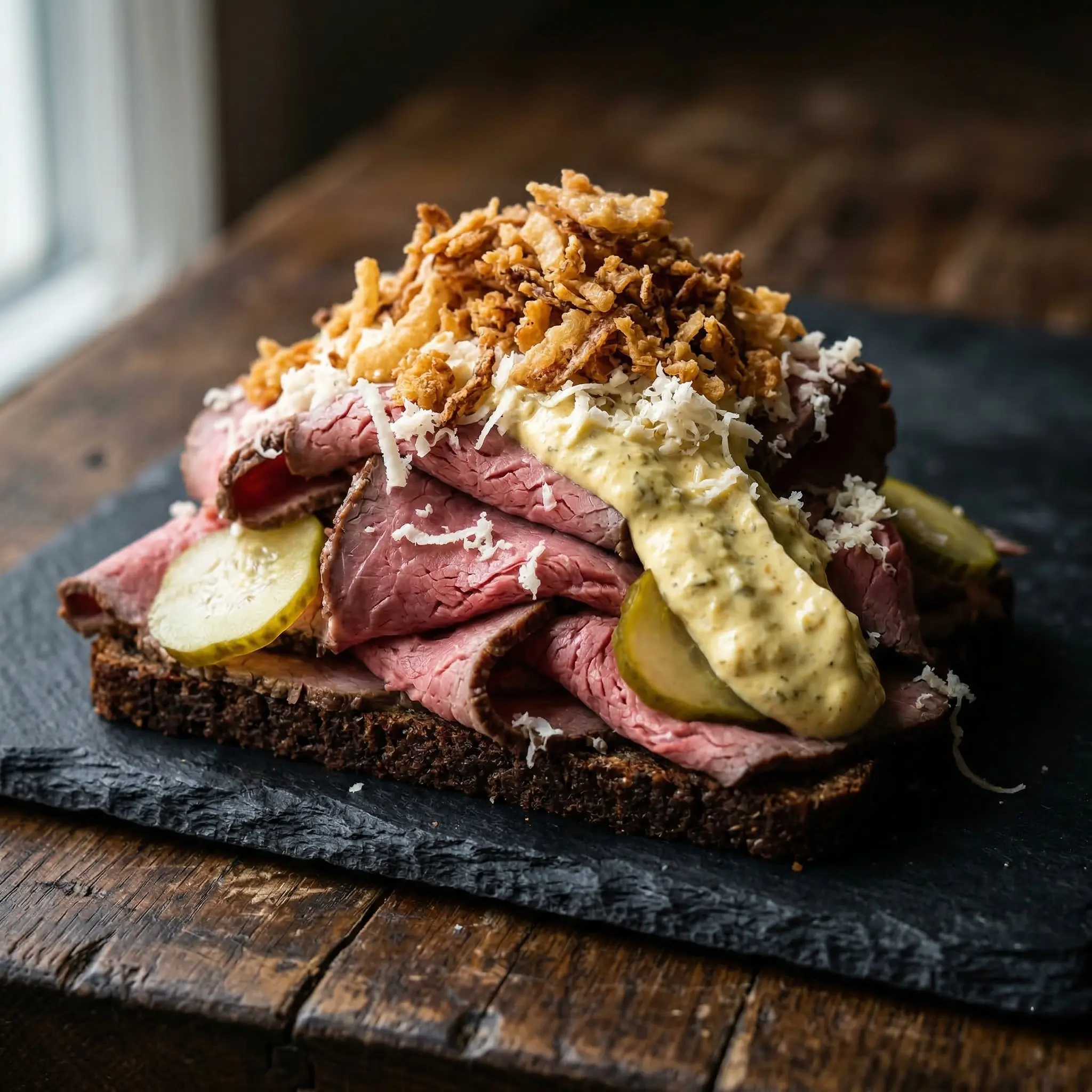
Danish Roast Beef Smørrebrød (The Rustic Hunter)
Ingredients
Method
- Slice the rugbrød to about 1/2 inch (1.2 cm) thickness.
- Spread cold butter generously and evenly across the entire surface of the bread, edge to edge.
- Layer the roast beef generously across the buttered rugbrød — fold it ,let it drape over the edges, pile it high. This is not the time for restraint.
- Add a generous smear of Danish remoulade running diagonally across the beef.
- Tuck the pickled cucumber slices alongside the beef.
- Grate fresh horseradish directly over the top, or spoon on pure white bottled horseradish (avoid cream-style).
- Crown the entire smørrebrød with a heavy scattering of crispy fried onions.
- Serve immediately with a knife and fork.
Notes
pickle-bright flavor is essential to this combination. Quick-pickled
cucumbers can be made days ahead and kept in the fridge. For the horseradish,
fresh is always superior — but pure white bottled horseradish works well.
Never use cream-style horseradish here. French’s crispy fried onions work
perfectly and are widely available.
The Danes have a word — hyggelig — for the kind of cozy, convivial warmth that a good meal creates. A properly assembled smørrebrød, eaten slowly with a cold glass of something sparkling and good company, is about as hyggelig as it gets. Start with the rugbrød, be generous with the butter, and let the toppings do their beautiful, architectural work. Copenhagen can wait — your kitchen is ready.