
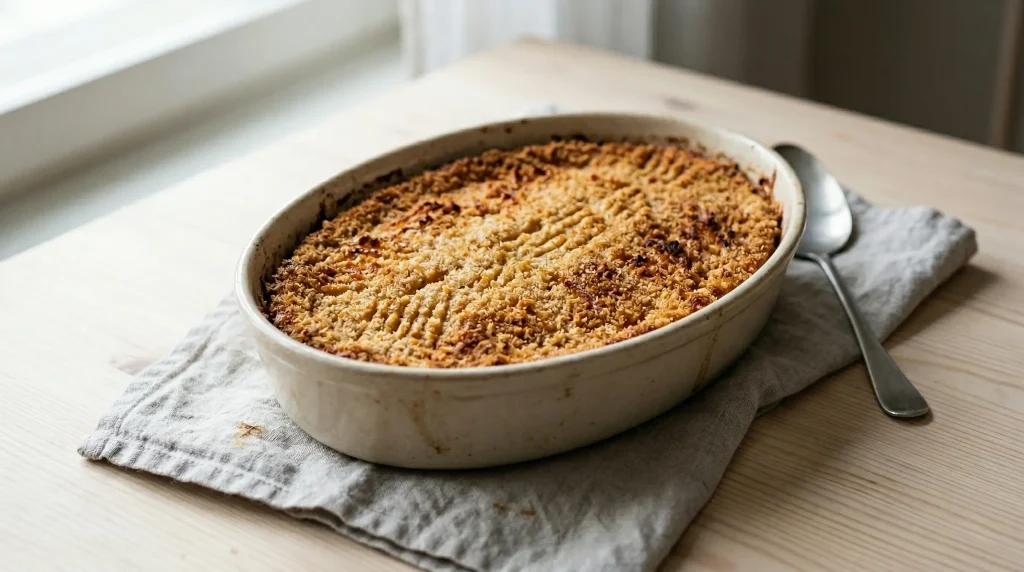
There is a dish that appears on nearly every Finnish Christmas table without fail — golden-topped, subtly sweet, deeply warming — and it goes by the wonderfully tongue-twisting name lanttulaatikko (lant-too-laa-tik-ko). If you’ve never heard of it, today is a very good day.
What Is Lanttulaatikko?
The name breaks down with satisfying Finnish directness: lanttu means rutabaga, and laatikko means box or casserole. So, yes — you’re making a “rutabaga box,” which sounds far less glamorous than it actually tastes.
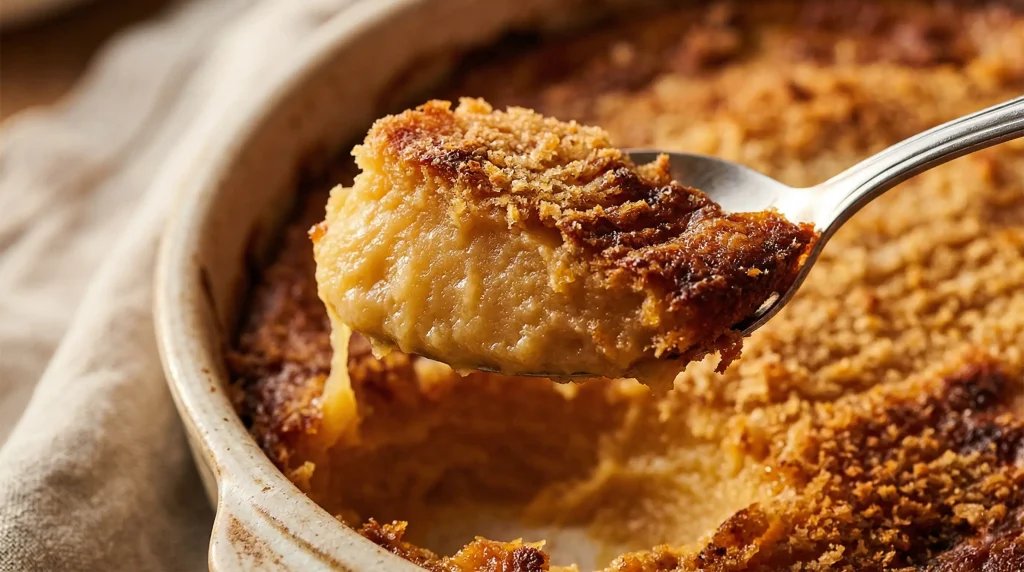
Rutabaga is a sturdy, earthy root vegetable — a natural cross between a turnip and a wild cabbage — with firm, golden-yellow flesh and a distinctive sweet-bitter flavor that softens beautifully when cooked. It looks like a large, slightly purple-shouldered turnip and is widely available at grocery stores, especially from fall through winter. Don’t let its rather formidable exterior discourage you. Once boiled and mashed, it transforms into something silky, caramel-colored, and genuinely special — think somewhere between sweet potato casserole and butternut squash soup, but earthier and deeper.
A Dish With Deep Roots
Lanttulaatikko is one of the iconic trio of Finnish Christmas casseroles — alongside porkkanalaatikko (carrot casserole) and perunalaatikko (potato casserole). Together, these three dishes have anchored the joulupöytä, the Finnish Christmas table, for generations. The traditional holiday spread is a lavish, unhurried affair. It features cured and smoked fish, pickled herring, rosolli salad, gravlax, rye bread, and a magnificent Christmas ham as the centerpiece. The casserole trio flanks it all like steadfast, warmly spiced companions. And somewhere nearby sits a plate of Joulutortut (Finnish Christmas star tarts) dusted in powdered sugar — because no Finnish Christmas table is truly complete without them.
These dishes are the very definition of Nordic comfort food: unfussy, honest, and built to feed a crowd in the middle of a long, dark winter. They’re the kind of food that carries memory. Made from the same handwritten recipe passed down through kitchens that didn’t have measuring cups so much as institutional knowledge.
But here’s a quiet secret: lanttulaatikko isn’t just for Christmas. Its sweet-savory character makes it a genuinely brilliant side dish all winter long — think roasted pork, holiday ham, or even roast chicken.
Tips for the Best Lanttulaatikko
Pick a good rutabaga. Look for one that feels heavy for its size with firm, unblemished skin. Smaller ones tend to be sweeter; very large rutabagas can be more fibrous and carry a more pronounced bitter note.
Don’t skip the dark syrup. It gives lanttulaatikko its characteristic amber depth and gently rounded sweetness — tumma siirappi, Finnish dark syrup, is the traditional choice here. Molasses is a widely available substitute with a slightly stronger, more bitter edge; it works well, but dark syrup is the real thing.
Dry out the mash before you season it. After boiling and draining, return the rutabaga to the warm pot and shake it briefly over low heat for a minute or two. This drives off excess steam and is the single best move against a watery casserole.
Go low and slow in the oven. A long bake at moderate heat allows the casserole to develop depth and gives the top time to turn deeply, beautifully golden. Rushing it at high heat just dries the edges while leaving the middle underdone — and nobody wants that.
What You Will Need
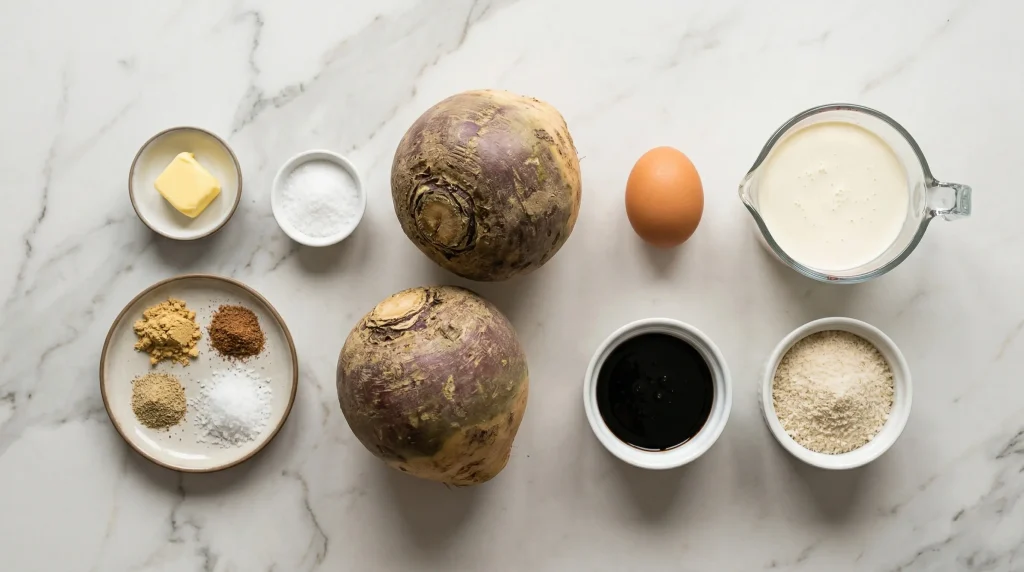
Nothing here is unusual or hard to find — lanttulaatikko is a farmhouse dish at heart, built from honest pantry staples and one very good vegetable.
Base Ingredients
- Rutabaga — The star of the show. A large, round root vegetable with purple-tinged skin and firm golden flesh. Look for it near the turnips and parsnips at your grocery store, especially in fall and winter. Choose one that feels dense and heavy for its size — that’s a sign of good, sweet flesh inside.
- Heavy cream — Adds richness and helps create that creamy, almost custard-like texture in the filling. Half-and-half will work in a pinch, but full cream gives the best result.
- Dark syrup — The traditional Finnish choice, known as tumma siirappi. It brings a deep, mellow sweetness and that signature amber color to the casserole. Look for it in Scandinavian specialty stores or online; molasses is the most practical substitute and works beautifully, though it has a slightly more assertive, bitter edge.
- Egg — Acts as a binder, helping the casserole set into a sliceable, cohesive dish rather than a loose mash. Use one large egg, lightly beaten before adding.
- Fine dry breadcrumbs — The foundation of the golden crust. Store-bought plain breadcrumbs work perfectly. Panko is too coarse for this job; fine is the way to go.
- Unsalted butter — Dotted over the breadcrumb topping before baking, it melts down into the crumbs and coaxes them to a deep, irresistible golden-brown. Also used to grease the baking dish so nothing sticks.
Spices and Seasoning
- Ground ginger — Adds a gentle warmth that lifts the earthiness of the rutabaga without overpowering it.
- Ground nutmeg — Brings a soft, slightly floral spice note — classic in Nordic baked dishes and casseroles.
- Ground cinnamon — Just a whisper, for subtle sweetness and depth. Don’t overdo it; it should support, not dominate.
- White pepper — Preferred over black pepper here for its milder, slightly more aromatic heat, which blends more cleanly into the filling. Black pepper works too if that’s what you have.
- Salt — Used both in the cooking water and in the filling itself. Don’t be shy — rutabaga needs proper seasoning to shine.
Finnish Rutabaga Casserole (Lanttulaatikko)
Ingredients
Method
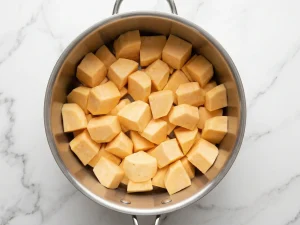
- Peel and cut the rutabagas into large chunks. Boil in lightly salted water until tender (about 30–40 minutes). Reserve some of the cooking liquid and mash or purée the rutabaga.
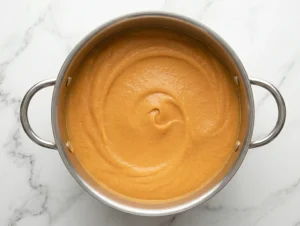
- Mix the cream with the dried breadcrumbs and let it sit for a few minutes to soften. Stir in the dark syrup, beaten egg, ginger, white pepper, nutmeg and salt. Add the mashed rutabaga and enough reserved cooking liquid to make a loose, smooth mixture.
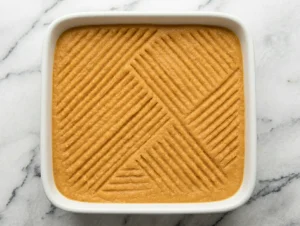
- Heat the oven to 175 °C (350 °F). Grease a 2‑litre (2 quart) baking dish. Pour in the rutabaga mixture, smooth the top and make decorative grooves with a fork. Sprinkle with breadcrumbs and dot with butter.
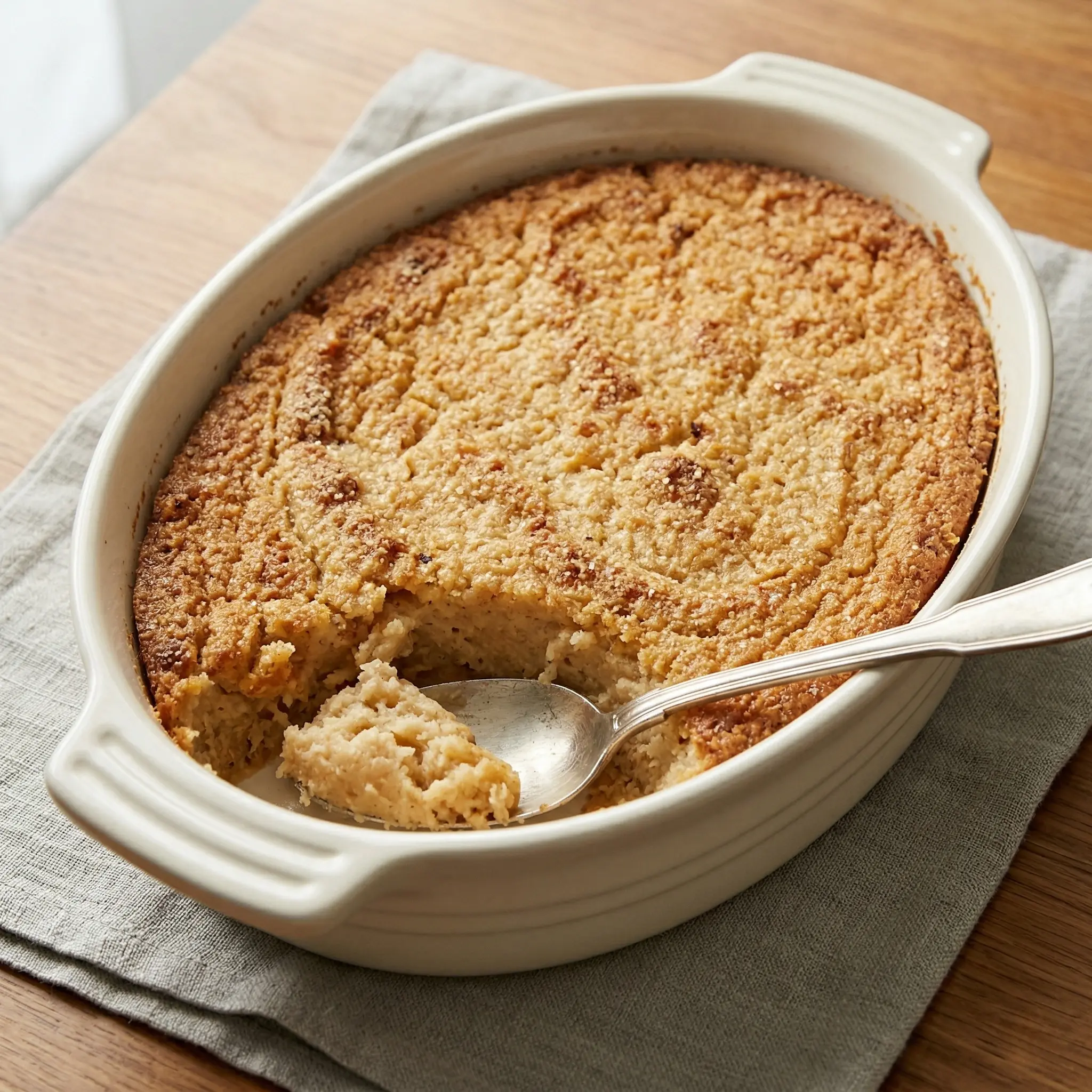
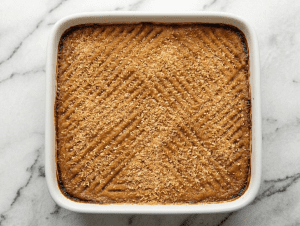
- Bake for 1½–2 hours until the casserole is set and the top is browned. Allow it to rest before serving. Lanttulaatikko freezes well and can be prepared in advance.
Storage & Reheating
Lanttulaatikko is one of those rare dishes that genuinely rewards patience — it tastes even better the day after baking, once the spices have had time to settle and deepen into the filling.
In the refrigerator: Let the casserole cool completely before covering it tightly with plastic wrap or transferring it to an airtight container. It keeps well in the fridge for up to 3 days.
To reheat, cover the dish loosely with foil and warm in a 325°F (165°C) oven for 20–25 minutes, until heated through. Remove the foil for the last 5 minutes to revive the crispy breadcrumb top. A quick blast under the broiler at the very end works wonders if the crust needs a little encouragement.
In the freezer: Lanttulaatikko freezes beautifully. Once fully cooled, wrap the baking dish tightly in two layers of plastic wrap followed by a layer of foil, or transfer individual portions to freezer-safe containers. It keeps well for up to 2 months. Thaw overnight in the refrigerator — never at room temperature — and reheat as above, adding an extra 10 minutes to the oven time since you’re starting from cold. The texture may be very slightly softer after freezing, but the flavor holds up remarkably well.
One important tip: If you’re planning to freeze the casserole, hold off on adding the breadcrumb topping until you’re ready to reheat and serve. Add the fresh breadcrumbs and butter just before the final bake — you’ll get a much crisper, more satisfying crust that way.
FAQ & Troubleshooting
The rutabaga likely held onto too much cooking water. After draining, always return it to the warm pot and shake it over low heat for a minute or two — this step is small but makes a real difference. Make sure you’re draining thoroughly in a colander, not just tipping the pot.
Move the dish to the upper rack for the last 15 minutes of baking, or switch to the broiler for 2–3 minutes — but watch it closely. Breadcrumbs go from golden to charcoal faster than feels fair. A few extra dots of butter on top before it goes in the oven also encourages better color.
Very large rutabagas can have a more pronounced bitter note. Balance it with a touch more dark syrup and a pinch more salt, and ensure the rutabaga was cooked completely through before mashing — undercooking is the main culprit here. The bitterness mellows significantly during the oven bake.
Yes — the egg helps bind and set the casserole, but it will still bake without it. The texture will be slightly softer and less sliceable, more like a thick, creamy mash. Still delicious, and a good option if you’re serving guests with egg allergies.
Rutabaga is worth tracking down — most well-stocked grocery stores carry it from fall through winter, often near the turnips and parsnips. In a genuine pinch, a mix of butternut squash and turnip approximates the flavor profile, though the result will be sweeter and less earthy. It won’t technically be lanttulaatikko, but it will be good.
Lanttulaatikko is classically paired with Christmas ham or roasted pork — the sweet, spiced rutabaga is a natural complement to rich, fatty meat. On a Nordic holiday table, it typically shares the spread with carrot casserole, potato casserole, gravlax, and pickled herring. For a simpler weeknight dinner, it’s excellent alongside roast chicken or a thick-cut pork chop.
Same vegetable, different name — just one of those charming transatlantic vocabulary gaps. In the United States, it’s called rutabaga; in the United Kingdom, Ireland, and across much of Scandinavia (including Finland, where it’s known as lanttu), the exact same root is called a swede. The name “swede” is actually short for “Swedish turnip,” which tracks — the vegetable has been a staple of Nordic cooking for centuries. So if you come across a Finnish or British recipe that calls for swede, you’re in exactly the right place. Just head to the produce section and look for rutabaga.