
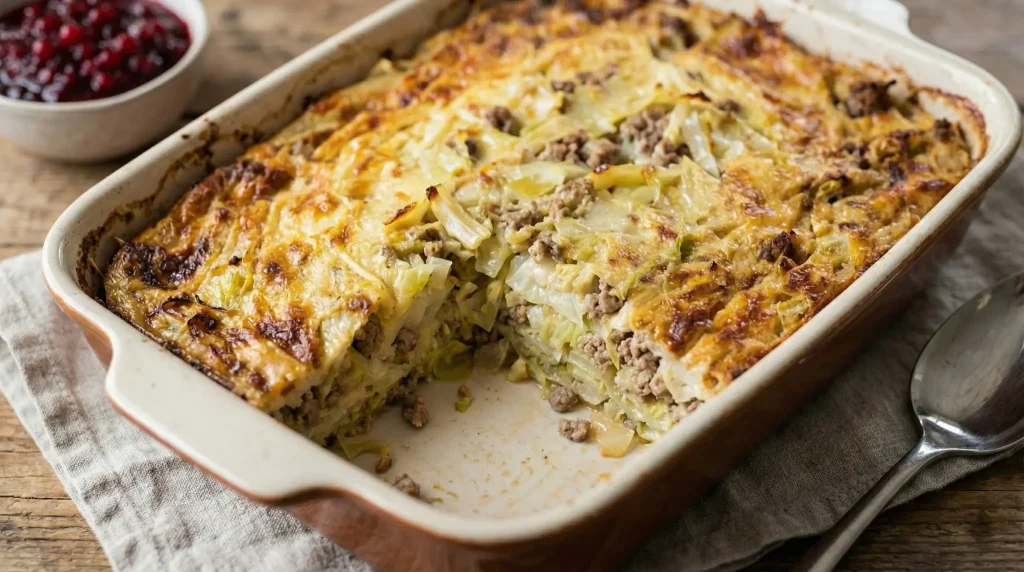
Nothing chases away a Nordic chill like the scent of kaalilaatikko baking in the oven. This Finnish beef and cabbage casserole is cozy comfort food at its finest – a humble oven-baked dish of softened cabbage, ground meat, and rice or barley, gently seasoned with sweet syrup and fragrant marjoram. As it slowly bakes, the edges caramelize and the kitchen fills with a hearty, homey aroma that transports you to a Finnish grandmother’s kitchen on a snowy evening. Served warm with a spoonful of tart lingonberry jam on the side, kaalilaatikko is the kind of down-to-earth meal that wraps you in warmth and tradition.
A Homestyle Classic from Finland
Kaalilaatikko (pronounced KAH-lee-LAH-tick-ko) literally means “cabbage box” in Finnish – a nod to the casserole dish it’s baked in. True to its name, this classic combines simple, affordable ingredients into one delicious “box”: green cabbage, ground beef (I sometimes add some chopped bacon for extra flavor), and a bit of rice (or the older-style pearl barley) to bind it together. A pinch of dried marjoram (the signature herb of Finnish cabbage dishes) and a couple of spoonfuls of dark syrup give the casserole its uniquely Finnish flavor – savory with a hint of sweetness. Don’t worry, it won’t taste like dessert; the sweetness is subtle, just enough to enhance the natural sweetness of cabbage as it cooks down.
I think of this dish as the easy cousin of cabbage rolls (kåldomar): all the same comforting flavors of cabbage, meat, and rice, but without the fuss of rolling leaves. Historically, cabbage has been popular in Finland since the 1500s when it was first cultivated in monastic gardens, and dishes like this casserole arose as hearty ways to stretch inexpensive staples through long winters. Kaalilaatikko in particular became widespread because it packs a lot of nutrition into one pan – plenty of veggies, protein, and carbs to fuel a hard day’s work, all baked together in savory harmony.
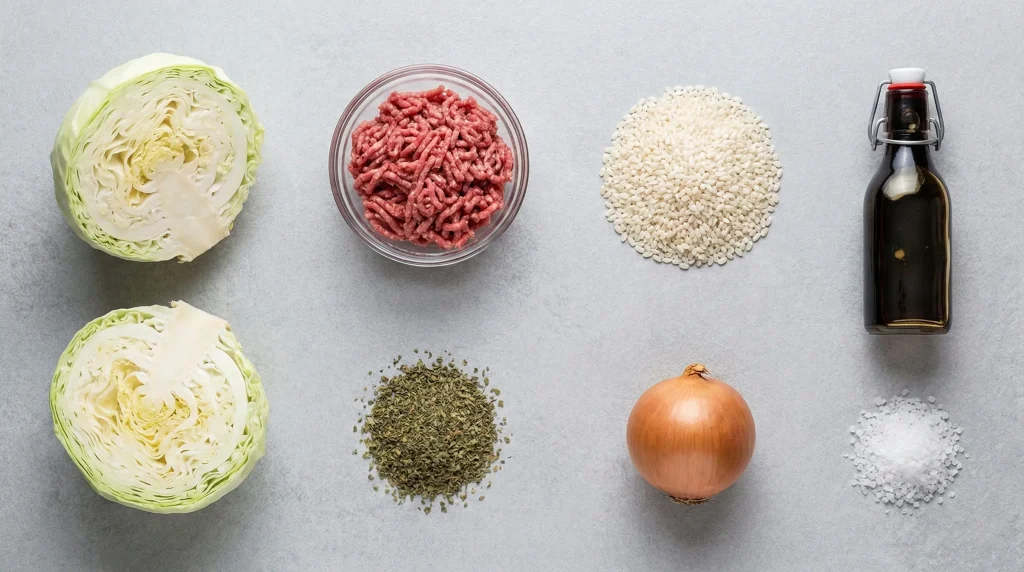
Ingredients, Substitutions, and Tips
Cabbage
The star of the show. You’ll need a head of green cabbage (about 2 lbs / 1 kg) for a full casserole. I like to first soften the cabbage – either by boiling or sautéing – until tender and lightly golden. This step brings out its sweetness and ensures the casserole isn’t crunchy. If the smell of cooking cabbage worries you, fear not: a splash of vinegar or a bay leaf in the cooking water can help tame the odor. Once softened, the cabbage gets mixed with everything else, infusing the whole dish with its mild, sweet flavor.
Ground Meat
Ground beef is most common for kaalilaatikko, lending a rich, savory depth. Many Finnish families use a mix of beef and pork for extra juiciness, and you can even substitute ground turkey for a lighter twist. For smoky twist, I like to sometimes chop some bacon and add that along with ground beef.
You’ll brown the meat with onions for sweetness and flavor. (Tip: a grating of garlic or a pinch of allspice can also be added while browning the beef for extra warmth – not strictly traditional, but delicious!) For a vegetarian version, swap the meat with plant-based mince or a hearty combo of lentils and mushrooms; the rest of the recipe stays the same, yielding a still-satisfying veggie casserole.
Rice or Barley
Short-grain rice (pudding or sushi rice) is typically used to give kaalilaatikko its comforting, creamy starch element. You might cook the rice partially before baking, or even use leftover cooked rice – it will finish absorbing flavors in the oven. In older generations, pearled barley often stood in for rice, and you can absolutely use it here for a nutty, traditional touch (just boil the barley until tender before mixing in, since barley takes longer to cook). The grains soak up the meat juices and broth, making each bite stick-to-your-ribs satisfying.
Seasonings
Marjoram is the classic herb in Finnish cabbage casserole – it’s related to oregano but milder and sweeter. If you can’t find marjoram, oregano or thyme can fill in (use about half the amount since they’re stronger). You’ll also add salt and freshly ground black pepper to taste. I like to sprinkle in a dash of nutmeg or allspice as well, echoing the spices used in Finnish meat dishes and cabbage rolls – this is optional, but a pinch can add a lovely depth.
That Little Something Sweet
One thing that makes kaalilaatikko distinct is the addition of a sweet element. Traditionally, a couple of tablespoons of Finnish dark syrup (similar to molasses) are stirred into the cabbage or sauce. This caramelizes during baking, giving the casserole a gentle sweetness and gorgeous brown color. If you don’t have Scandinavian syrup, don’t fret – use a tablespoon or two of molasses, dark corn syrup, or even maple syrup. It won’t make the dish outright sweet; it just balances the cabbage’s bitterness and the richness of the meat. You can also sprinkle a teaspoon of brown sugar as a substitute.
Broth and Dairy
Many recipes call for adding a bit of liquid to keep everything moist while baking. A good beef broth adds flavor (chicken or vegetable broth works in a pinch), while some home cooks use milk or cream for a richer casserole. In fact, one traditional method is to cook the rice into a milk-based porridge before mixing it in – ensuring a luscious texture. In my recipe below, I’ll simply pour in a bit of broth or milk along with beaten eggs to bind the casserole. Eggs are another common addition – they help the casserole set into sliceable pieces and add protein. If you’re avoiding eggs, you can leave them out; the dish will just be a bit looser in texture.
To Serve
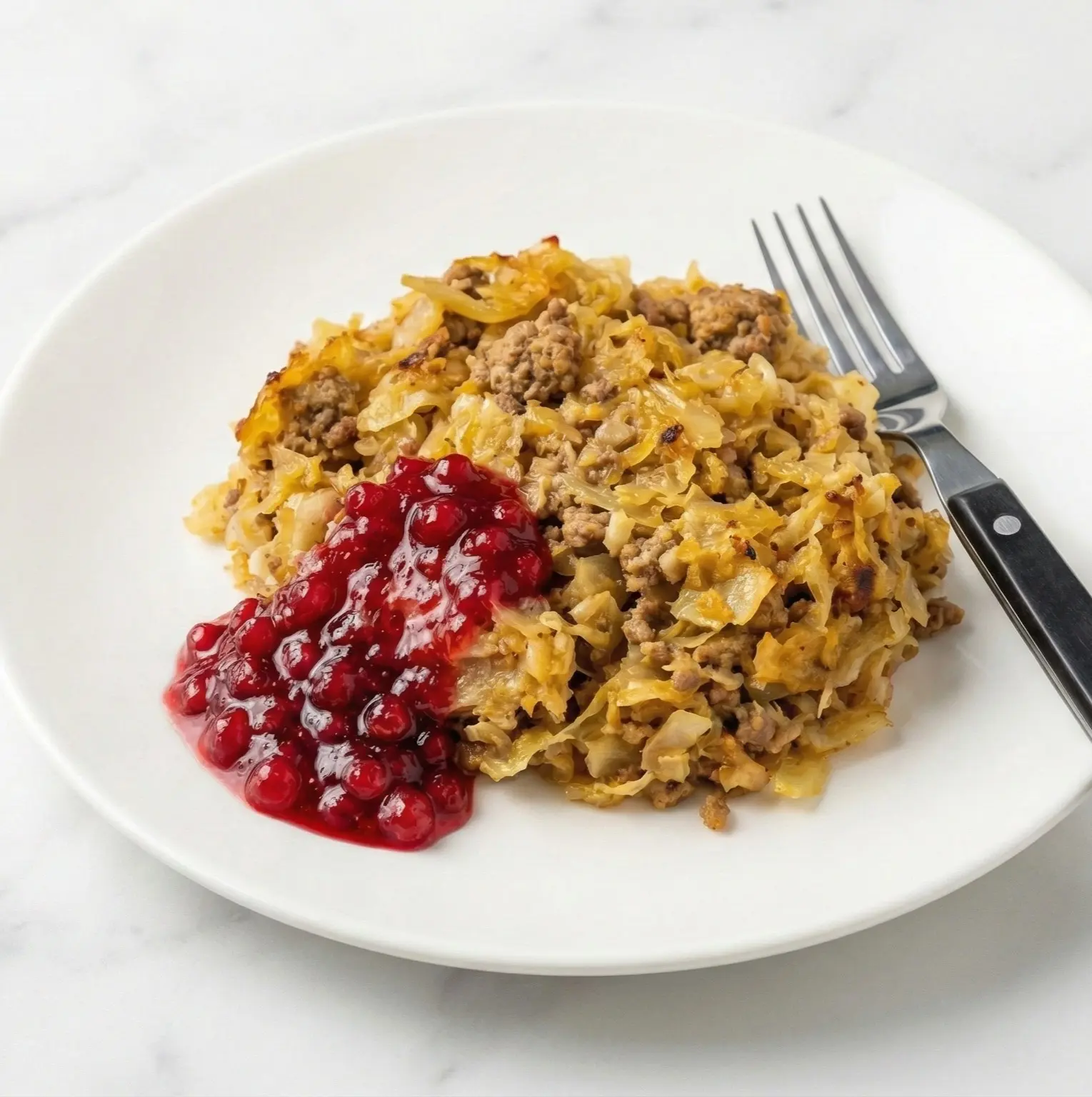
Kaalilaatikko is always served warm, ideally with a generous spoonful of lingonberry jam on the side. The tartness of the lingonberries is the perfect counterpoint to the casserole’s hearty, mellow flavors – don’t skip it if you can find it (try the food section at IKEA)!
If lingonberry jam isn’t available, try unsweetened cranberry sauce or red currant jelly for that tart-sweet kick. A simple green salad or some pickled cucumbers on the side can also brighten up the plate, but honestly, this casserole is a one-pan meal that needs little else.
Now that we’ve set the stage, let’s get cooking! Below is a full recipe with step-by-step instructions to make your own Finnish cabbage casserole. I’ve included both U.S. and metric measurements for convenience, and plenty of tips to ensure success. Hyvää ruokahalua – enjoy your meal!
Finnish Beef & Cabbage Casserole (Kaalilaatikko)
Ingredients
Method
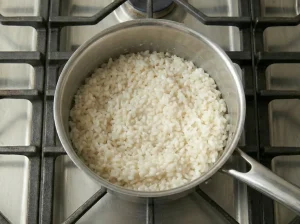
- In a saucepan, combine the uncooked rice with 1 1/2 cups of water (360 ml) and a pinch of salt.
- Bring to a boil, then reduce heat to low, cover, and simmer for about 15–20 minutes until the rice has absorbed the water and is just tender. (It’s okay if it’s slightly underdone; it will cook more in the oven.)
- Remove from heat and set aside.
- If using pearl barley instead, boil it in salted water until just tender, about 30 minutes, then drain.
- While the rice is cooking, preheat your oven to 350 °F (175 °C).
- In a large skillet or pot, melt the butter over medium-high heat.
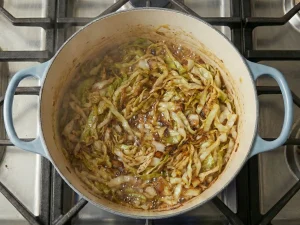
- Add the shredded cabbage. Cook, stirring frequently, for about 10–15 minutes until the cabbage softens and starts to lightly brown. (If it doesn’t all fit at once, sauté in batches.) Sprinkle in 1 teaspoon of salt and 1/2 teaspoon of pepper to help it wilt. In the last minute or two, stir in the dark syrup and let it cook with the cabbage until fragrant and slightly caramelized.
- The cabbage should reduce in volume significantly and have a light golden color. Remove from heat.
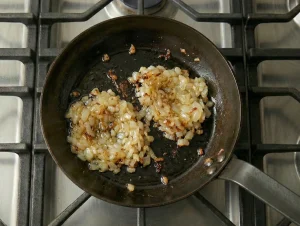
- In a separate large skillet (or the same one, once cabbage is done, using a bit more butter or oil if needed), sauté the chopped onions until translucent and just starting to brown (about 5 minutes).
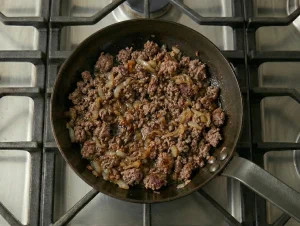
- Add the ground beef and break it up with a spoon. Cook until the beef is browned and cooked through, about 5–7 minutes.
- Season the mixture with 1/2 teaspoon salt, 1/2 teaspoon black pepper, and the dried marjoram. (If using any optional spices like a pinch of allspice or garlic, add them now.)
- Once the beef is browned and fragrant, remove from heat.
- In a large mixing bowl (or the pot you used for cabbage, if it’s big enough), combine the sautéed cabbage, the browned beef and onions, and the cooked rice
- Add the beaten eggs and about 1/2 cup of the broth (or milk) and stir everything until well mixed.
- The mixture should be uniformly combined and moist; if it seems too dry, add a bit more broth or milk.
- Taste and adjust the seasoning – you want it slightly more seasoned than you’d eat straight, since the flavors will mellow after baking.
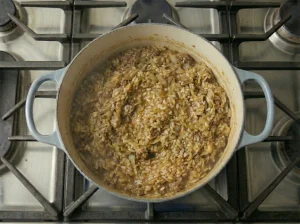
- Butter a 2-quart baking dish. Spoon in the cabbage-beef-rice mixture and spread it evenly.
- If you have any remaining broth or milk, pour it over the top evenly – the mixture should be quite moist but not swimming in liquid (you can add a few extra tablespoons of water or broth if it looks dry).
- Dot the top of the casserole with a few small butter pieces for extra richness. You can also sprinkle a handful of breadcrumbs on top for a crisper crust if desired.
- Cover the dish loosely with foil and bake in the preheated oven for 1 hour.
- Then remove the foil and continue baking for an additional 30 minutes (1.5 hours total), or until the top is nicely browned and the casserole is bubbling at the edges.
- (Every oven is different; if at any point the top is browning too fast, re-cover with foil. Conversely, if after 1.5 hours the top is still pale, you can switch to broil for a minute or two at the very end – watch carefully to prevent burning!).
- The finished casserole should have a bronzed, slightly crispy top and a tender, moist interior.
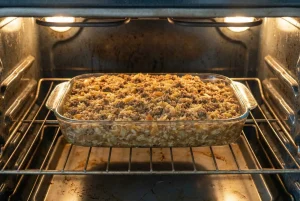
- Let the kaalilaatikko cool for about 10 minutes to set slightly, then serve warm.
- Scoop onto plates or cut into squares.
- Don’t forget the jam! Serve each portion with a generous tablespoon of lingonberry jam (traditional) or cranberry sauce on the side – diners can dollop a bit onto each bite. The tangy berries truly elevate the experience, balancing the richness of the casserole.
Notes
Notes and Variations
- Barley Version: For an old-school touch, use pearl barley instead of rice (about 3/4 cup / 150 g). Boil the barley until tender before mixing in (it won’t cook through in the oven otherwise). Barley gives a lovely nutty flavor and chewy texture that’s wonderfully authentic.
- Low-Carb Option: If you prefer to skip the grains, use cauliflower rice. You can fold in 2 cups of riced cauliflower (lightly steamed) in place of the rice. The texture will be a bit different, but it makes a lighter casserole. (You might reduce the baking liquid slightly in this case since cauliflower releases moisture.)
- Meat Variations: This recipe is great with a beef/pork mix (try 1/2 lb each). Ground turkey or chicken can also work for a leaner version – add a bit of extra butter or oil since poultry has less fat, and be sure to season well for flavor.
- Vegetarian Kaalilaatikko: Replace the meat with roughly 12–16 oz (340–450 g) of plant-based ground “meat” or a mix of cooked lentils, diced mushrooms, or even crumbled tofu. Use vegetable broth instead of beef broth, and consider upping the spices (a dash of soy sauce or smoked paprika can add depth). The result is a comforting veggie casserole that honors the spirit of the original.
- Sweetness and Substitutes: No Finnish syrup? No problem. Use molasses or dark corn syrup 1:1 for authenticity. For a lighter note, maple syrup works too and adds a nice earthy sweetness. Even a couple teaspoons of brown sugar dissolved into the broth can substitute. The goal is just a hint of sweetness – you can even omit it if absolutely desired, but the casserole will lose a bit of its traditional character.
- Make Ahead: Kaalilaatikko only gets better with time. You can assemble the casserole a day in advance, cover and refrigerate it unbaked, then bake when ready to serve (add an extra 10–15 minutes to baking time if coming straight from the fridge). Leftovers reheat beautifully and are often even tastier the next day as the flavors meld.
Serving Suggestions and Final Thoughts
In Finland, cabbage casserole is the very definition of home-style cooking – the kind of unfussy, warming dish you’d eat at Grandma’s table on a dark winter afternoon. Many Finns swear that a drizzle of melted butter on top right out of the oven, plus that obligatory spoonful of lingonberry jam, makes this casserole absolutely perfect. You might also find folks pouring a glass of cold milk to drink alongside (a common Finnish mealtime habit), but a light beer or sparkling water with cranberry works nicely too.
As you take your first bite, notice the layers of flavor: sweet-savory cabbage that almost melts in your mouth, hearty bits of beef, soft grains of rice, and the pop of tart berry on your tongue. It’s modest food, but incredibly satisfying. This is Scandinavian comfort in its purest form – a reminder that with a few simple ingredients and a little time, you can create something deeply nourishing and full of heart.
By bringing kaalilaatikko to your table, you’re not only enjoying a delicious meal, but also taking part in a Nordic tradition that has endured for centuries. From the rural farmhouses where it originated to modern city kitchens, this beef and cabbage casserole has remained a favorite because it’s honest, dependable, and made to feed a crowd with love. So the next time you crave something warm and grounding, remember this Finnish classic.
FAQ
Yes. Kaalilaatikko freezes very well, which makes it a great make-ahead meal. Once baked and cooled, portion it into airtight containers and freeze for up to 2–3 months. Reheat in the oven at 300 °F (150 °C) until warmed through, or microwave individual portions. You might want to add a spoonful of water or broth when reheating to keep it moist. (And don’t forget to serve with fresh lingonberry or cranberry sauce after reheating!)
A dry kaalilaatikko usually means there wasn’t quite enough liquid or it was baked a tad too long. Ensure that your mixture is nice and moist before it goes in the oven – if it looks dry, stir in a bit more broth or milk. Baking covered for the first hour helps lock in moisture; only uncover it to brown at the end. Also, remember to let it rest after baking – cutting into it piping hot can release steam and make it seem drier. If you do end up with a dry casserole, you can always drizzle a little melted butter or broth over the top before serving to moisten it up.
Not at all – the sweetness is very subtle. The two tablespoons of syrup (or molasses) in the whole casserole just enhance the natural sugars in the cabbage and help it brown. You won’t distinctly taste sweetness; in fact, most people just notice that kaalilaatikko has a richer, more rounded savory flavor compared to other cabbage casseroles. If you’re worried, you can start with 1 tablespoon of sweetener the first time. But traditionally it’s meant to be a balanced sweet-and-savory profile, and the tangy berry jam on the side also helps create the perfect bite.
Lingonberry jam is traditional and worth seeking out (IKEA or specialty stores often carry it), but you have great alternatives. Cranberry sauce – the tart kind served at Thanksgiving – is an excellent substitute and very similar in flavor profile. Red currant jelly or whole berry cranberry preserves work too. The key is a tart fruit accompaniment to cut through the richness. Even a quick relish of cooked down cranberries with a bit of sugar would do. In a pinch, a dollop of sour cream on top of the hot casserole can add a different tangy contrast (not sweet, but still balancing). Or just make your own using my recipe.
Absolutely. Kaalilaatikko can be made vegetarian by using plant-based ground “meat” or other fillers like lentils. To make it vegan, also swap the butter for oil, use a non-dairy milk (or just vegetable broth) and leave out the eggs – the texture will be slightly looser but still hearty. You might want to add a tablespoon of ground flaxseed or a few spoonfuls of oat or soy cream to help bind everything in the absence of eggs. And of course, use a veggie broth as the liquid. The result is a comforting cabbage casserole that delivers all the cozy vibes, sans meat or dairy.
It’s highly recommended. Pre-cooking (by sautéing or boiling) softens the cabbage and reduces its volume, ensuring the casserole has a tender texture. Raw cabbage could technically cook in the oven given enough time, but you’d likely end up with unevenly cooked bits and a longer bake time (plus a stronger cabbage odor in your kitchen). Sautéing also gives the cabbage a chance to caramelize with the syrup, building flavor you’d miss by just baking it raw. So, while it’s an extra step, it’s worth it for the best result.
I just tested Cabbage Casserole and it is really tasty ! Everything in balance, easy to make and pleasant aftertaste. I think this is also a healthy meal. I recommend it to everyone !