
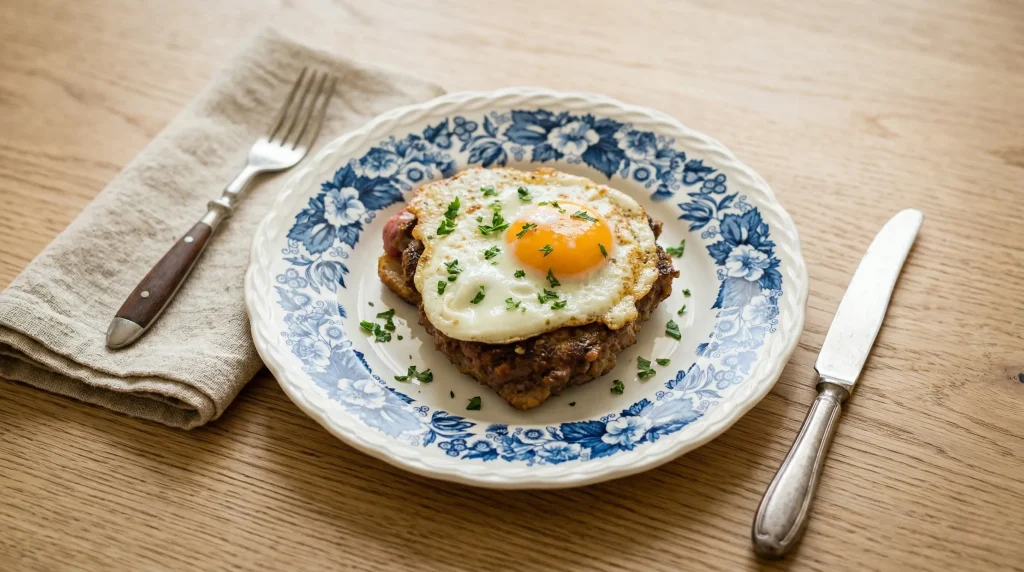
There’s a Michelin-starred restaurant called Operakällaren in Stockholm that — according to legend served this open-faced sandwich before most countries even had refrigerators. The Swedish Opera House Sandwich — or Operasmörgås as it’s known locally — is one of those dishes that quietly defines a cuisine. It’s not flashy. It’s just very, very good.
It is decadent, satisfying, and 100% hygge as the Danish would say. But it is also a dish with a fascinating history—one that has survived by “hiding out” in Finnish bistros and grandmother’s kitchens long after fading from trendy Stockholm menus.
What Exactly Is a Swedish Opera House Sandwich?
The Opera House Sandwich or Operasmörgås is a varm macka — a hot sandwich — a broad term used to describe Sweden’s answer to pizza, burgers and melt sandwiches.
A ground beef patty is pressed directly onto a slice of white bread before it hits the pan, meat-side down. After the beef sears and renders its juices, the whole thing is flipped, allowing the bread to toast directly in those savory drippings and a finish of butter. It’s then topped with mustard and a fried egg. That’s it. No bun. No lid. Knife and fork required.”
A Culinary Exile
Legend has it the dish was popularized at Operakällaren, the Royal Opera House’s restaurant; however, you would probably have never found it in the grand main dining room. Rather, under the stewardship of the famous restaurateur Tore Wretman in the 1950s or 60s, it was exclusively a staple of Operakällarens Bakficka (“The Hip Pocket”)—the small, adjacent casual bistro designed to elevate everyday cooking.
Wretman had a gift for creating dishes that felt both timeless and theatrical. The Operasmörgås is his everyday classic — but if you’re curious about the glamorous end of his repertoire, meet Toast Pelle Janzon: a luxury open-faced sandwich named after a celebrated Swedish opera singer, born in that same legendary kitchen.
Curiously, while the sandwich has become a rarity in modern Stockholm, it has enjoyed a “preservation effect” across the Baltic Sea. Today, you are more likely to find a classic Operasmörgås on a bistro menu in the Swedish-speaking coastal regions of Finland than in Sweden itself. It remains a living tradition there, often served with a cold lager.
The Science of “Meat-on-Bread”
Why fry the meat on the bread? Why not just toast the bread separately?
This isn’t just a shortcut; it’s culinary physics! When you fry the bread meat-side down, the bread acts as an insulator, gently steaming the meat from above while the pan sears it from below.
Then comes the magic: The Flip. When you flip the sandwich over, the bread hits the pan, which is now sizzling with butter and rendered beef fat. The bread acts like a sponge, frying like a crouton in that flavorful “fond”. If you toasted the bread separately, you’d miss this “flavor bridge” entirely.
The ingredients are simple, but for the “meat-on-bread” technique to work, we need to follow a few rules.
Ground Beef
About 1 lb (450g). Use a blend with 15–20% fat. You need that fat to fry the bread later!
The Binder (Crucial!)
Egg, breadcrumbs and milk or water. Why? You cannot skip this. Pure beef contracts violently when cooked. If you use 100% beef, the patty will shrink, curl up, and detach from the bread. The binder relaxes the protein, helping the meat stick to the toast.
The Bread
White toast. Why? You want a tight, uniform crumb. Rustic sourdough has large holes that let fat leak through, causing uneven frying. You want a sponge, not a sieve!
Mustard
Swedish sweet-strong mustard (Sötstark senap) is traditional, but German works perfectly!
Eggs (for topping)
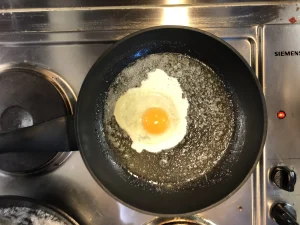
Fried sunny-side up is the way to go here
Butter
For frying. Generous amounts.
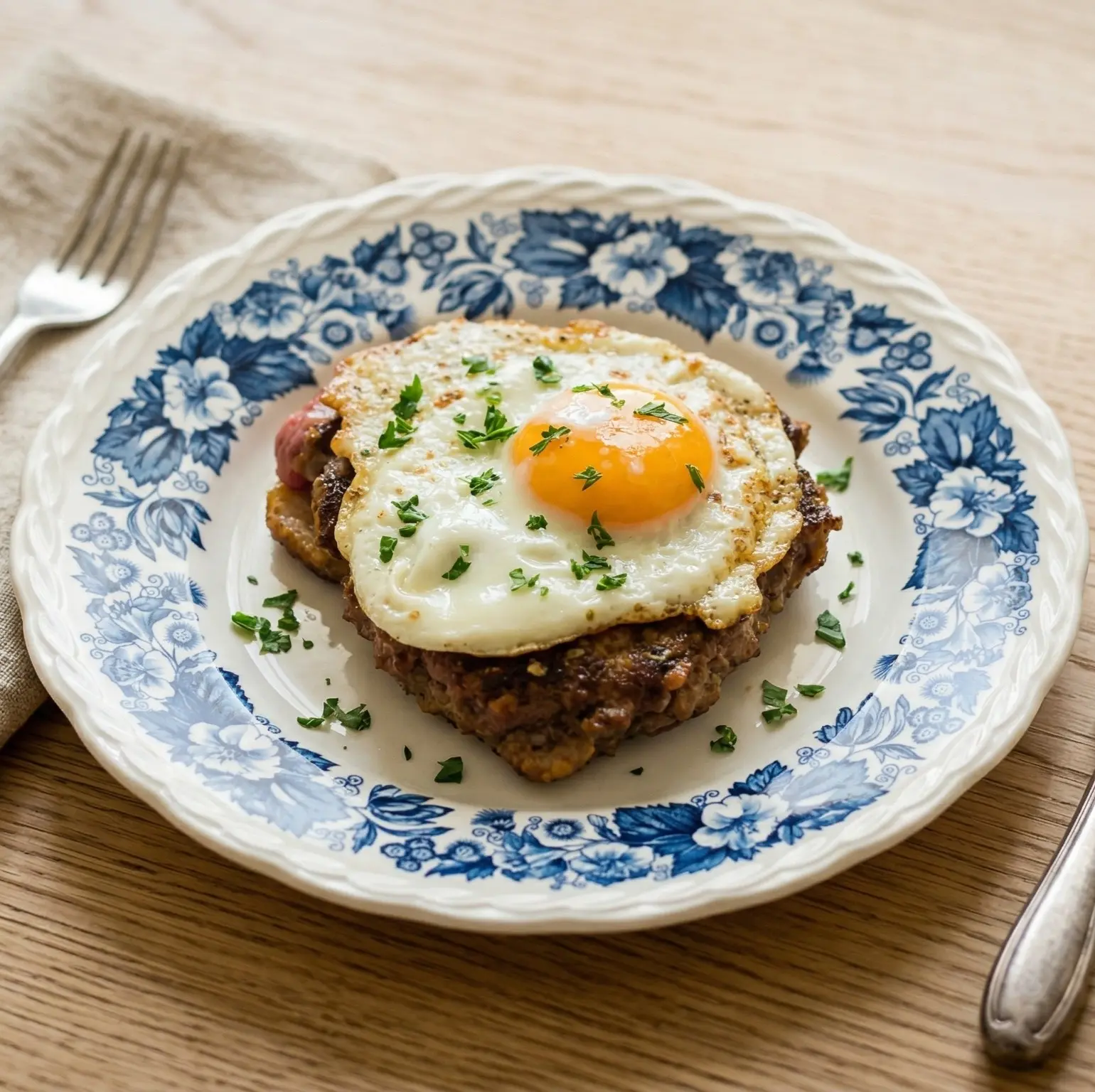
Swedish Opera House Sandwich (Operasmörgås)
Ingredients
Method
- In a mixing bowl, combine the ground beef, minced onion (if using), 1 egg, breadcrumbs + milk/water (if using), salt, and pepper.
- Use your hands or a fork to mix until just combined; do not overmix. The mixture should be soft and spreadable (like meatball mix). If it feels too stiff, add a bit more water.
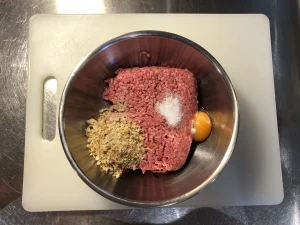
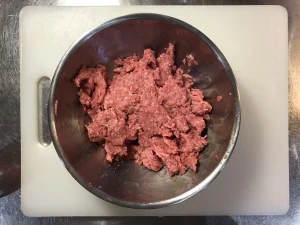
- Divide the meat mixture into 4 equal parts.
- Take each bread slice and spread one part of the meat mixture on one side of the bread. Cover the entire slice evenly with the meat, about 1 cm (1/2″) thick.
- t’s okay if a little meat extends over the edges (it will shrink when cooking). Press the meat gently onto the bread so it sticks.
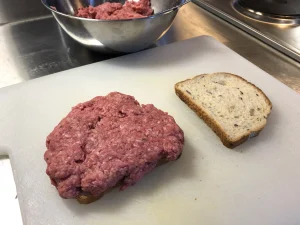
- Heat a large skillet over medium heat.
- Add 1–2 Tbsp of butter (enough to coat the pan).
- When hot, place the bread slices meat-side down in the pan.
- Cook for about 5–7 minutes, until the meat is browned and mostly cooked through.
- Adjust heat as necessary so that the surface doesn’t burn (medium or medium-low heat is best to cook the meat through).
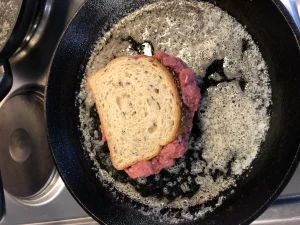
- Carefully flip each sandwich using a wide spatula, so the meat side is now up.
- Add a little more butter to the pan if needed.
- Toast the bread side in the pan for 1–2 minutes until golden brown.
- (Optional: you can butter the top of the bread just before flipping, for extra flavor, before it toasts.)
- The meat will finish cooking through during this time
- Remove the sandwiches to serving plates, meat side up.
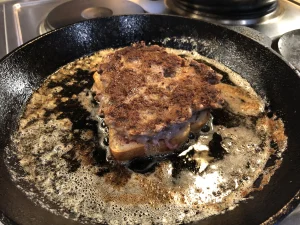
- Spread about 1 teaspoon of mustard on top of each hot beef patty (adjust to taste; a thin layer for mild flavor, or a bit more for extra tang).
- In a separate pan, fry the 4 topping eggs to your preferred doneness (sunny-side up is classic).
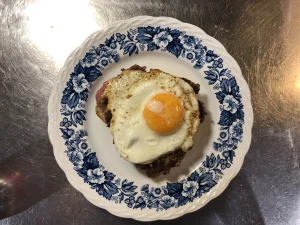
- Place one fried egg on each sandwich over the mustard. Sprinkle chopped parsley on top for garnish.
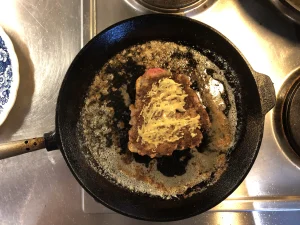
- Serve the Operasmörgås immediately while hot. It’s best enjoyed with knife and fork. Include pickled cucumbers on the side for a traditional touch. Enjoy! Smaklig måltid! (That’s “enjoy your meal” in Swedish.)
This post contains affiliate links. If you purchase through my links I may earn a small commission at no extra cost to you. I only recommend products I genuinely use and love. Thank you for supporting The Nordic Dish! 🌿
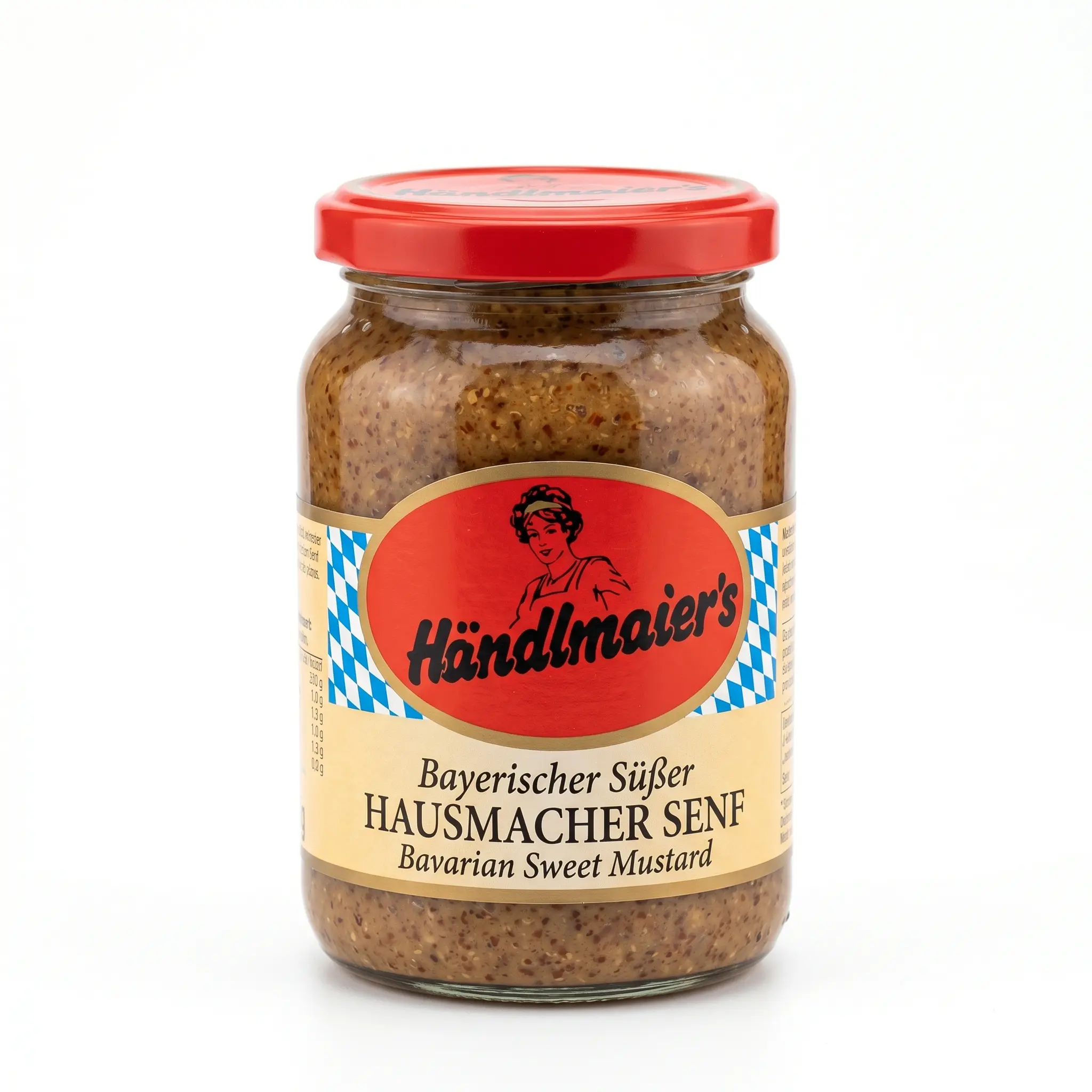
The closest match to classic Swedish sötstark senap you’ll find on Amazon — mildly sweet, gently spiced, and far more authentic to this sandwich than plain yellow mustard. A jar goes a long way.
View on Amazon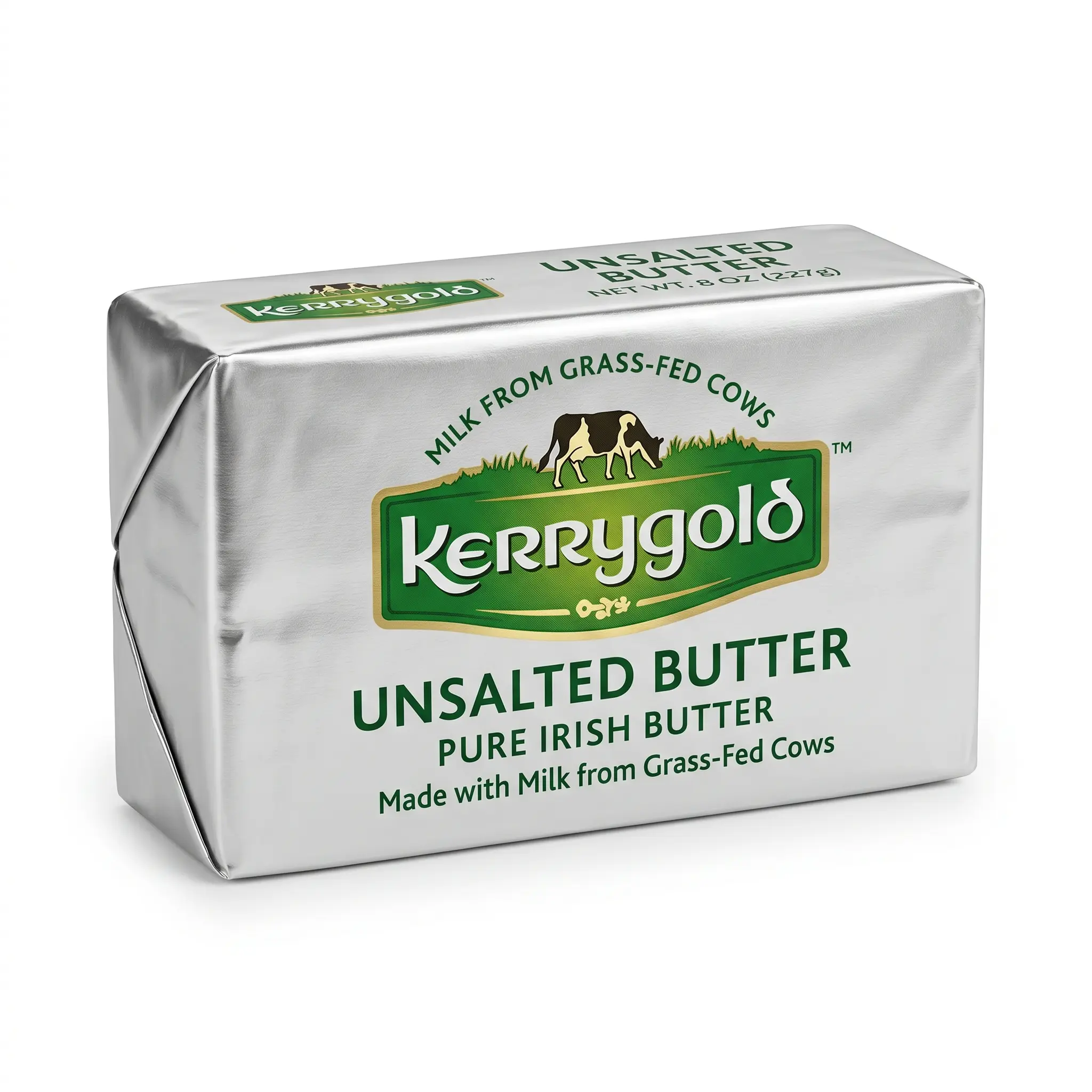
Grass-fed butter with a higher fat content than standard American butter — it browns more beautifully and gives the fried bread a genuinely rich, nutty crust that you simply cannot replicate with margarine.
View on Amazon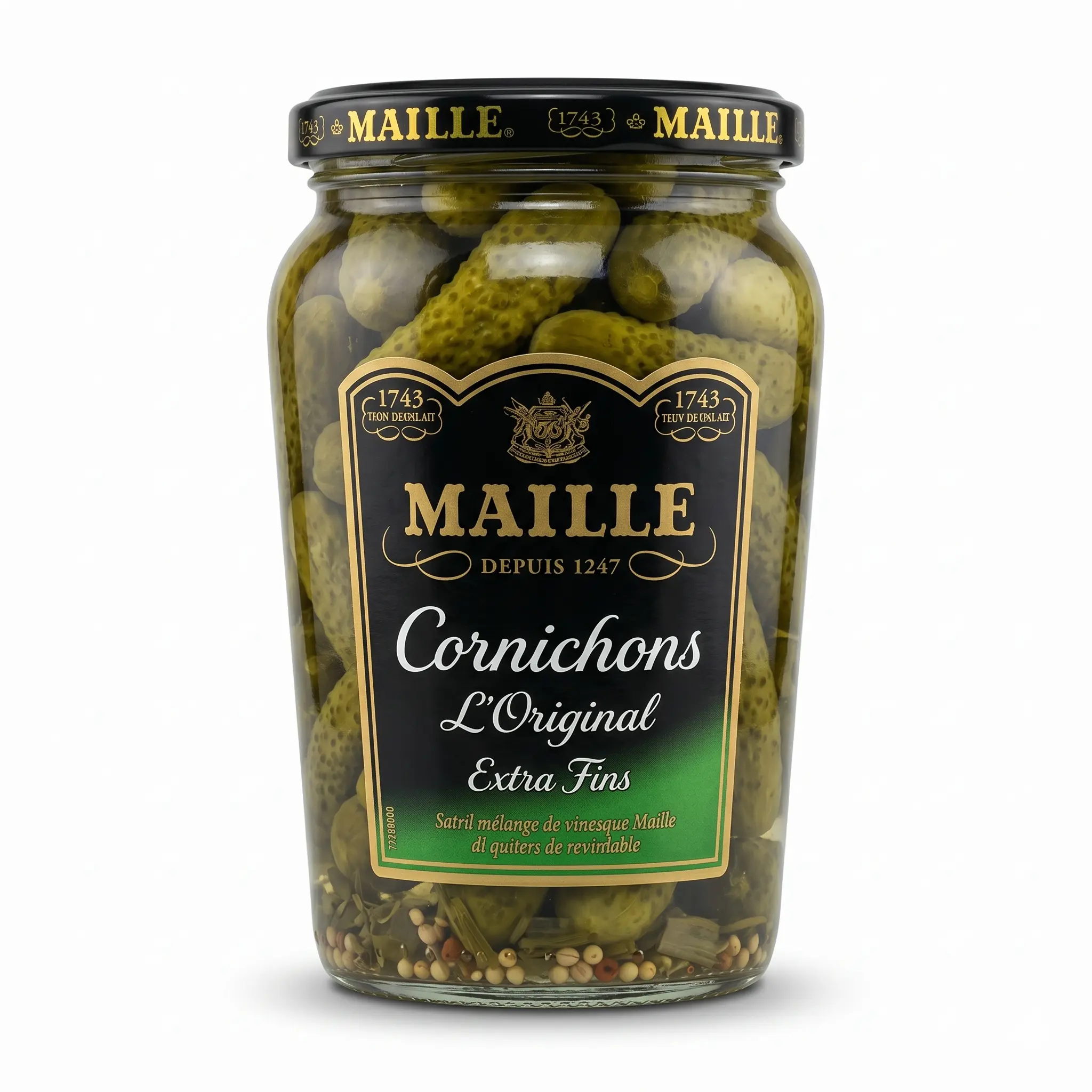
The traditional sharp-sour counterpoint to the richness of beef, egg, and butter. Maille’s cornichons are firm, well-brined, and exactly the right size to serve alongside each open sandwich.
View on Amazon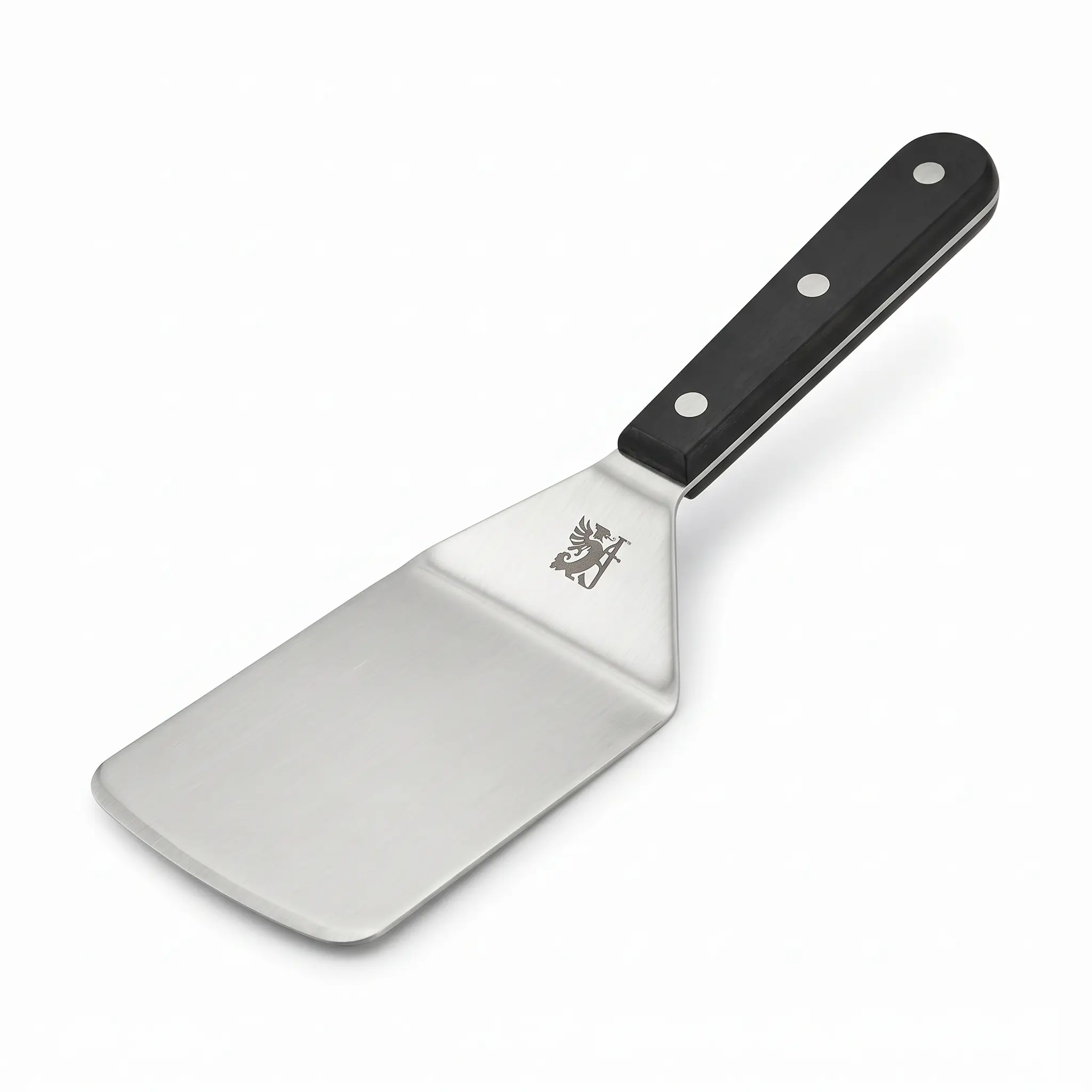
The flip is the trickiest moment — a wide, thin blade supports the full sandwich so the meat stays bonded to the bread. This Sabatier spatula is long enough and flexible enough to make the move in one confident motion.
View on Amazon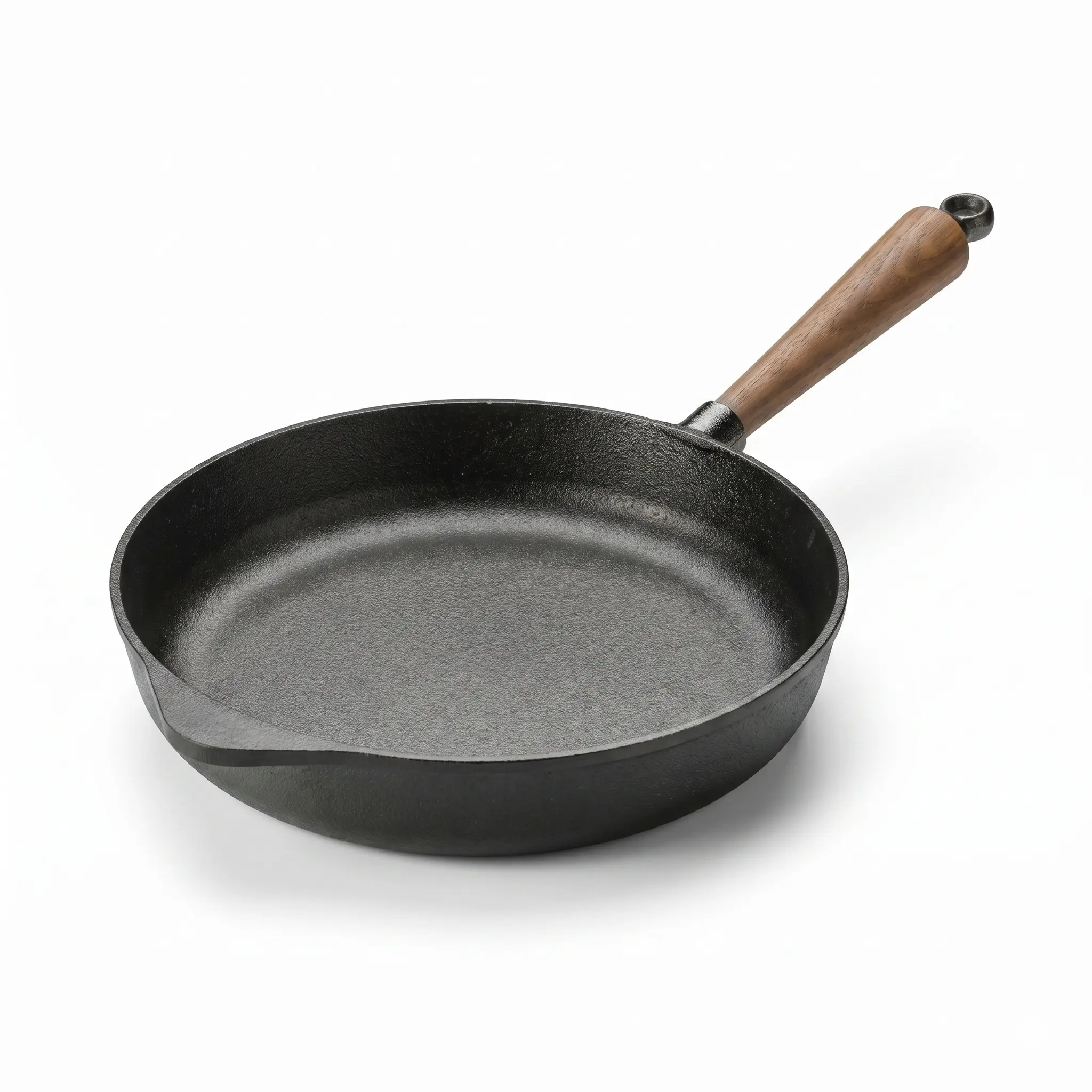
Made in Sweden since 1906 — it doesn’t get more Nordic than this. Cast iron holds the steady, even heat the beef needs over its long fry, and the walnut handle is a beautiful detail that earns its place on the counter.
View on Amazon
Freshly ground beef has a looser, more open texture that binds to the bread during the fry far better than pre-packed mince. If you own a KitchenAid stand mixer, this attachment transforms the result.
View on AmazonAs an Amazon Associate, I earn from qualifying purchases. Prices and availability may vary.
Operasmörgås FAQ (Troubleshooting & Tips)
A mildly flavored, somewhat soft white bread is traditional – it soaks up juices nicely and crisps up in the pan. Avoid bread that is too thin or too airy (it might fall apart under the meat).
This can happen if the meat wasn’t sufficiently attached or if flipped too roughly. To avoid this, make sure to press the meat mixture firmly onto the bread, especially around the edges. An egg and breadcrumb in the mix acts as glue, so don’t skip the binder if you’re concerned about adherence. When flipping, use a big spatula (or two spatulas) and flip confidently but gently in one motion. If a bit of meat separates, don’t worry – just nudge it back on top of the bread. With practice, you’ll get the hang of it. (Using a non-stick or well-seasoned pan can also help, so the meat crust doesn’t stick to the pan.)
A little bit of sogginess is normal – the bottom of the bread will soak up butter and meat drippings (that’s part of the deliciousness). However, it shouldn’t be excessively greasy. Possible issues: if the heat was too low, the meat might have steamed and released a lot of liquid without browning, causing bread to absorb it all. Make sure your pan was hot enough to sear the meat. Also, don’t overdo the butter; use just enough to prevent sticking and get a golden crust. Using medium heat (not low) helps water from the meat evaporate and gives a good sear. Lastly, serve immediately – the longer it sits, the softer the bread gets. If you prefer a crisper base, try the adaptation of toasting the bread separately, or even popping the finished sandwiches in a hot oven for a couple minutes to re-crisp the bottom.
Certainly! The traditional seasoning is simple (salt, pepper, mustard). But you can get creative. A dash of Worcestershire sauce in the meat mix can add depth. A pinch of allspice or white pepper would give a very Swedish vibe (allspice is used in a lot of Swedish meat dishes). You can also serve a little extra mustard or even ketchup on the side if you like to dip each bite. Some people mix ketchup and mustard and spread that on the sandwich for a tangy kick (though purists might gasp!). And as mentioned, a Dijon-mayo spread is a nice modern touch. Feel free to add a slice of cheese on top of the patty as well – not traditional, but it tastes great, kind of like an open-faced cheeseburger.
Traditionally, yes – a runny yolk (sunny side up) is part of the charm, acting as a rich sauce. However, if you’re averse to runny yolks, you can absolutely cook the egg to your liking. Over-easy (slightly runny), over-medium (mostly set yolk), or over-hard (fully cooked yolk) – it’s your call. You could even poach the egg if you prefer that texture. The main idea is to have an egg on top for that extra layer of flavor and to make the sandwich more substantial. If for some reason you don’t want eggs at all, you can omit them – you’ll basically have an open-faced burger with mustard, which is still tasty, just no longer an “opera” sandwich experience in the classic sense.
Yes! Operasmörgås can be adapted. For other meats: ground turkey or chicken (add a bit of fat or oil to the mix since they are lean, and ensure you cook them through fully), or ground pork. You could even use a mix of beef/pork/veal like a meatball mix. The flavor will change but it can be delicious. For a vegetarian version, you could use a plant-based ground meat substitute – prepare it the same way (with egg or a vegan binder to help it stick). It should cook similarly, though possibly faster if it’s soy-based, so keep an eye on it. Another approach is to use a ready-made veggie burger patty: cook it, place on toast, and top with the egg and mustard. Or try a large portobello mushroom cap – grill or pan-sear it and use that as the “patty” on the bread (this would be an entirely different vibe, but could work as a creative open-face sandwich). Part of the fun of home cooking is making recipes suit your diet!
Traditionally, a pickled cucumber on the side is the go-to. The sharp, sweet-and-sour crunch of pickles pairs beautifully with the rich sandwich. You can also serve a simple green salad with a vinaigrette, which adds a refreshing contrast. In some restaurant settings, they might serve a small pile of fries or roasted potatoes, essentially turning it into a full meal (open-faced burger and fries). A cold beer is a fantastic beverage choice.
Great question! Swedish can be tricky. Operasmörgås is pronounced kinda like “OOH-peh-rah-smur-gohss”. Break it down: “Opera” (like the music) + “smörgås” (which sounds like SMUR-goss, with the “ö” like the “u” in “fur”). If that’s too much, you can just say “Opera sandwich.” 😉 Fun fact: “smörgås” means sandwich in Swedish, and it’s the same root word in “smörgåsbord”, the famous Swedish buffet. So when you say Operasmörgås, you’re literally saying “Opera-sandwich.” And yes, it’s sometimes spelled without the dots as Operasmorgas (for those without Swedish keyboards).
The Operasmörgås is said to have originated at Operakällaren, the restaurant in Stockholm’s Royal Opera House, sometime mid-20th century. It was likely introduced as a hearty menu item for the lounge or bar – something satisfying yet quick. Chefs Tore Wretman and Werner Vögeli, who ran Operakällaren in the 1950s-60s, were known for elevating traditional Swedish dishes in just this way. The idea caught on, and soon it became a classic. Over time it became popular to make at home too – especially as a light lunch or late-night bite. It’s not as commonly found on menus today (fancier fare has taken over), but you’ll still see it in some traditional restaurants, theater bistros, or old-school cafes. And plenty of Swedes have nostalgic memories of mom or dad frying up operasmörgåsar on special weekends. It’s a little piece of Swedish culinary history on a plate!
To really honor the dish’s roots, try to source good-quality ingredients: a nice farm-fresh egg (so that yolk is radiant orange), good European-style butter, and fresh-ground beef from the butcher. Little upgrades like that can take a simple dish from good to great. Also, don’t skip the mustard – its tang is what keeps the rich flavors balanced. If you can find Swedish mustard (like slotsenap or other Scandinavian brands), give it a go to taste the difference. Serving on a warmed plate can help keep everything hot. And here’s a presentation tip: after frying, you can assemble the sandwiches and then cut them in half diagonally, displaying that beautiful cross-section of bread, beef, mustard, yolk spilling… it looks wonderful (you eat with your eyes first!). Lastly, play a little opera music in the background while you cook or eat – why not? It sets the mood and makes your kitchen feel like a grand café in Stockholm.
With its storied origin and no-fuss preparation, Operasmörgås truly delivers the best of Swedish cuisine: simple ingredients turned into something greater than the sum of their parts. The next time you’re craving a hearty sandwich or want to impress your family with a bit of Nordic tradition, give this Opera House sandwich a try. It’s a fun change from the usual burgers and brunch fare, yet familiar enough to please any palate.
Smaklig måltid! Enjoy your Operasmörgås, and happy cooking.