
Salty, smoky, meltingly tender — and worth every hour of patient waiting.
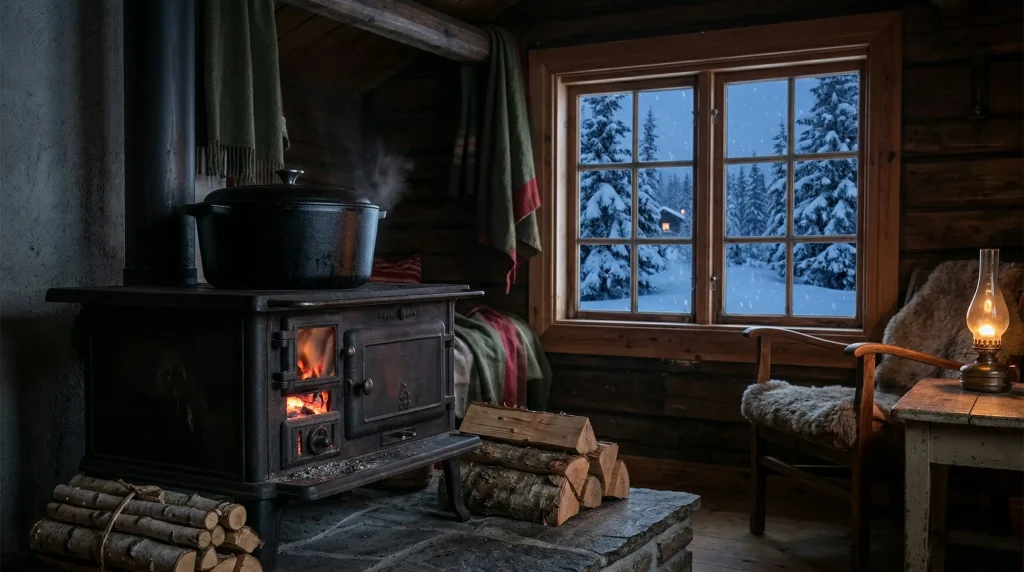
There are dishes that taste like a place. Pinnekjøtt tastes like Norway in winter. It tastes like snow on spruce trees, a wood stove burning low, and the deep, satisfied quiet of a holiday table done right. These cured, steamed lamb ribs are the centerpiece of Christmas Eve dinner for millions of Norwegians — and once you try them, you’ll understand why they’ve held that title for centuries.
The name literally means “stick meat,” which sounds a little odd until you learn the technique. The ribs are steamed over birch sticks, traditionally cut from the forest and placed in the pot to lift the meat above the water. That slow, gentle steam transforms salt-cured dried lamb into something almost impossibly tender, with a concentrated savory depth no quick roast could match. Don’t let the timeline intimidate you. Most of the work is hands-off waiting, and the reward is extraordinary.
A Little History on the Plate
Pinnekjøtt goes back to a time when preserving meat through the long Scandinavian winter was survival, not culinary ambition. Farmers salted and dried lamb ribs from the autumn slaughter, hanging them through the cold months. By December, they were ready — intensely flavored, shelf-stable, and deeply delicious. Some versions are also lightly smoked, a regional variation from western Norway. The smoked version (røkt pinnekjøtt) carries an extra layer of flavor that feels like a warm hug near a campfire.
Today, pinnekjøtt sits at the heart of a friendly national debate: lamb ribs or pork belly? Surveys suggest up to 70% of Norwegian families eat either pinnekjøtt or crispy ribbe (pork belly) on Christmas Eve — and which one lands on your table often depends on which part of Norway your family is from. Western Norwegians swear by pinnekjøtt; easterners tend to reach for ribbe. Both are spectacular, and there is absolutely nothing stopping you from making both.
What You Will Need
Here’s everything you need, whether you’re curing from scratch or finishing pre-cured ribs.
- Bone-in lamb or mutton ribs (rack) — Look for ribs with good fat coverage. Mutton (older sheep) gives a bolder, more traditional flavor. Lamb is milder and easier to find. Ask your butcher to separate the rack into individual ribs.
- Non-iodized coarse salt — Use kosher salt or pure sea salt. Iodized table salt can cause off-flavors during the curing process, so skip it here.
- Cold water, for soaking — You’ll need a large pot or container. This step is non-negotiable and genuinely important — don’t rush it.
- Birch sticks or a metal steamer rack — Peeled birch branches create a natural rack inside the pot and add a faint, clean woodiness. A standard metal steamer insert works perfectly in a modern kitchen.
- Fresh or dried thyme sprigs (optional) — A few sprigs in the steaming water add a quiet herbal note in the background.
The Curing Process
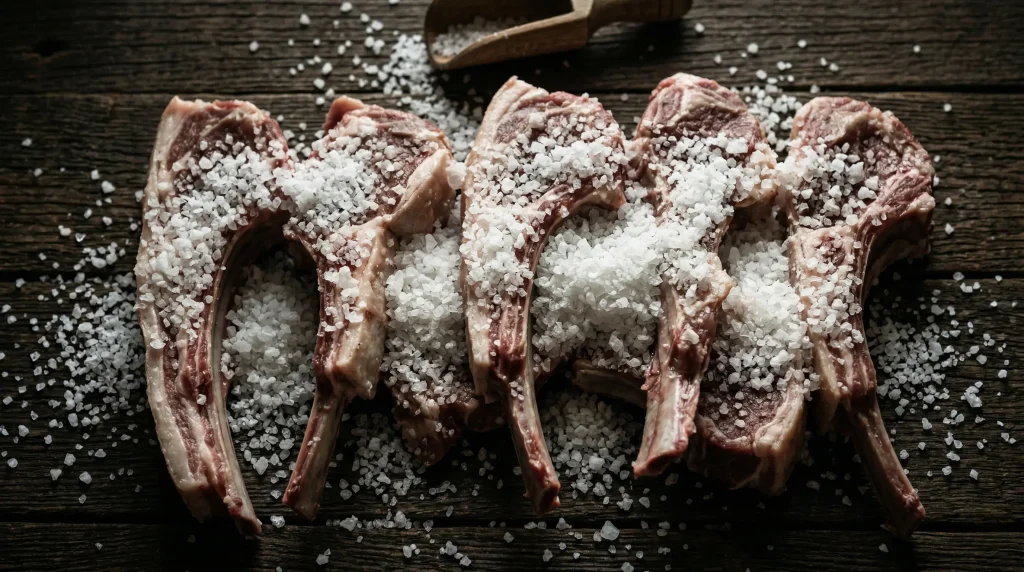
Rub every surface of the ribs generously with coarse salt. Pack them tightly into a deep container, cover with remaining salt, and refrigerate for 48–72 hours. The salt draws out moisture and transforms both texture and flavor profoundly. After curing, pat the ribs dry and hang them — or lay them on a wire rack — in a cool, well-ventilated space. Let them air-dry for at least 3–5 days.
Traditional pinnekjøtt dries for weeks or even months; a few days still gives excellent results at home. Starting with store-bought pre-cured pinnekjøtt? Skip straight to soaking. No judgment whatsoever — that’s what most Norwegians do, too.
The Soaking Stage
This step separates good pinnekjøtt from great pinnekjøtt, so take it seriously. Submerge the cured ribs in a large pot of cold water and refrigerate for 30–36 hours, changing the water at least once halfway through. This rehydrates the meat and draws out excess salt, leaving behind just the right amount of deep, savory flavor.
Under-soaking is the most common mistake first-timers make. If you’ve soaked for less than 24 hours, you’ll know immediately — the ribs will taste aggressively salty and nothing will fix them after cooking. Set a timer, change the water, and be patient.
Steaming to Perfection
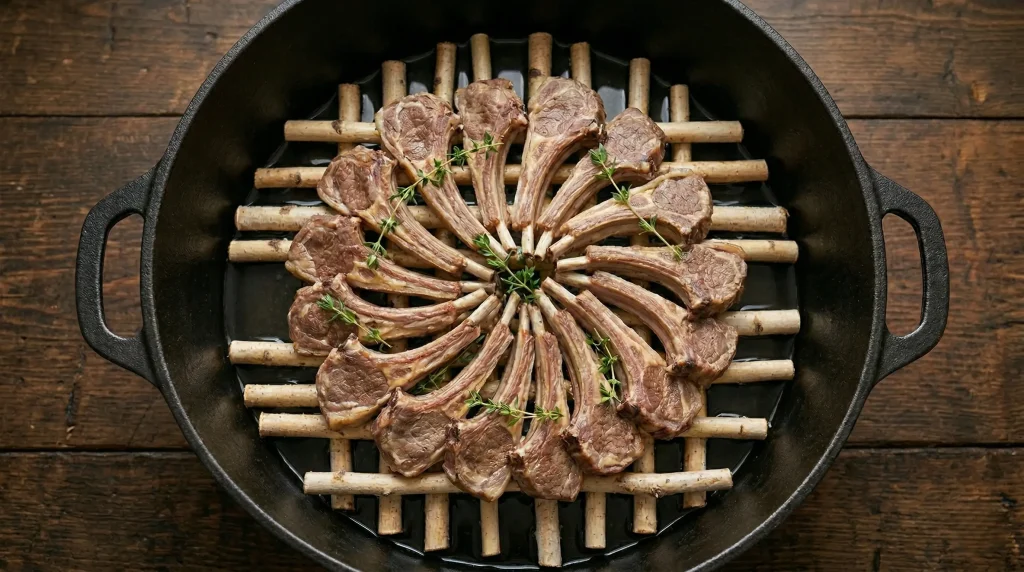
Place birch sticks or a steamer rack in the bottom of a large, heavy pot. Add about 2 cups / 480ml of water — it should just touch the bottom of the rack, not the meat. Lay the soaked ribs on top, cover tightly, and steam over medium-low heat for 2.5 to 3 hours. Check every 30–40 minutes and add more water as needed to maintain the level.
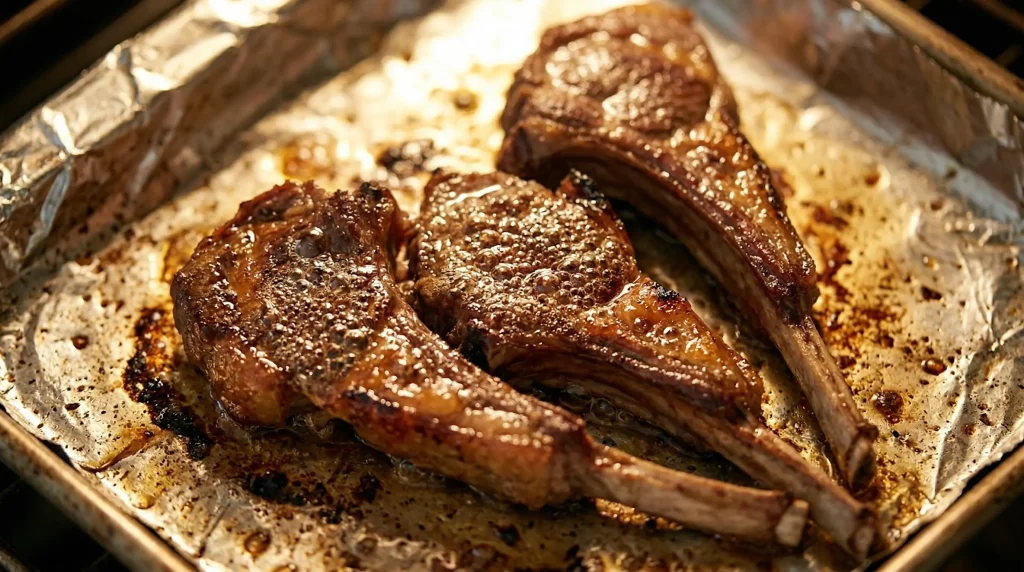
The finished ribs should be fall-off-the-bone tender with golden, slightly crisped edges. For extra magic, slide them under a hot broiler for 3–4 minutes. The fat will bubble and crisp in the most satisfying way imaginable.
How to Serve
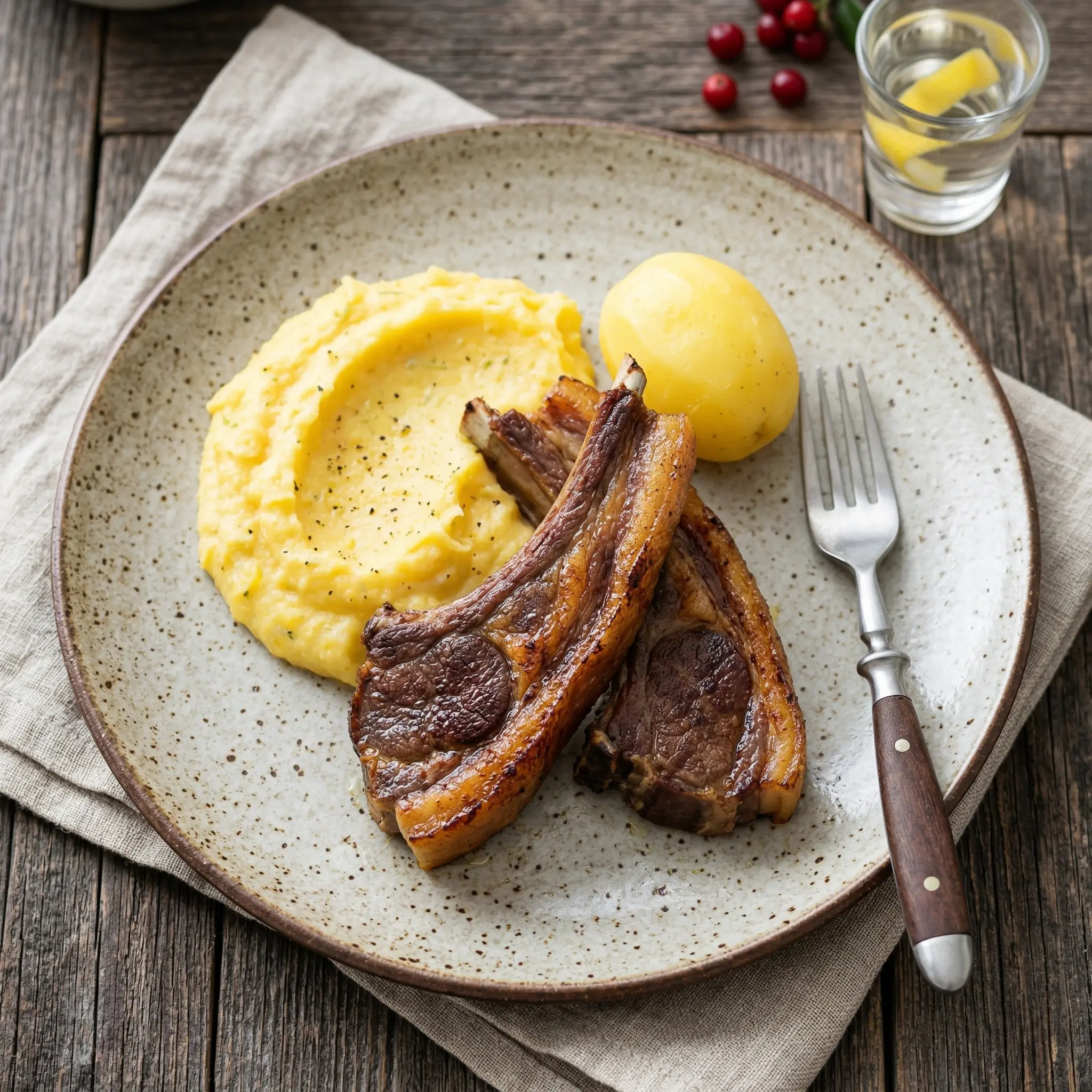
Set the table simply. Pinnekjøtt doesn’t need elaborate garnishes or fancy plating. Pile the glistening, slightly crispy ribs on a large platter. Serve alongside creamy kålrabistappe and boiled potatoes, and let the aromas carry the moment.
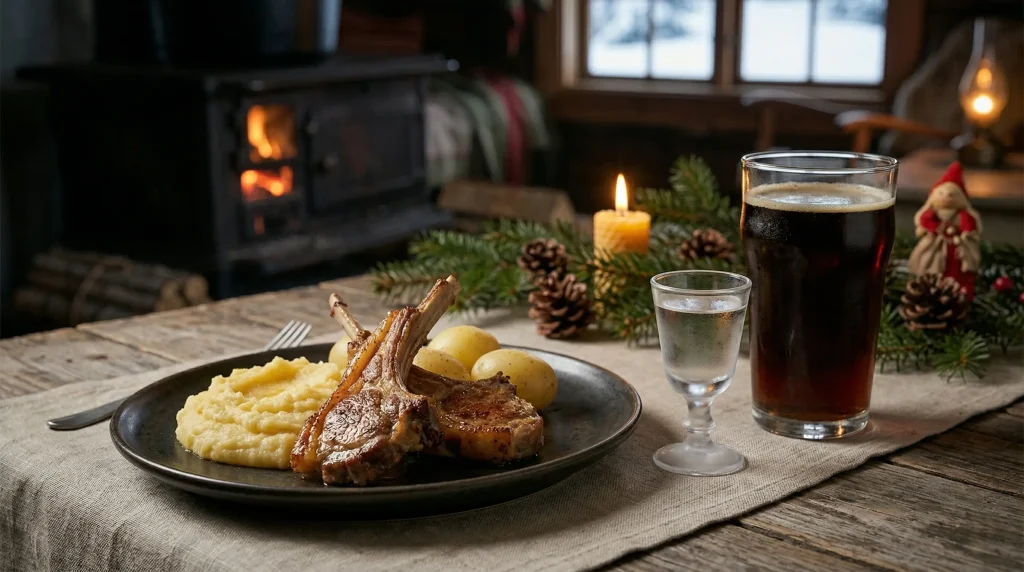
A cold glass of aquavit or a dark, malty beer completes the picture beautifully. Leftovers — if there are any — reheat surprisingly well in a covered skillet with a small splash of water over low heat.
Norwegian Pinnekjøtt (Cured Steamed Lamb Ribs)
Ingredients
Method
- Rub all sides of the ribs thoroughly with coarse salt. Pack into a deep container or large zip-lock bag. Cover completely with remaining salt. Refrigerate for 48–72 hours.
- Remove ribs from salt and pat dry with paper towels. Place on a wire rack in a cool, well-ventilated space. Dry for 3–5 days minimum. Longer drying (up to several weeks) will intensify flavor.
- Soak (30–36 hours before cooking)
- Submerge ribs in cold water in a large container. Refrigerate. Change the water once after 12–15 hours. Soak a full 30–36 hours total.
- Prepare the steaming pot
- Place birch sticks or a steamer rack at the bottom of a large, heavy pot. Add 2 cups / 480ml of water — it should not touch the rack. Add thyme sprigs if using.
- Arrange the soaked ribs on the rack in a single layer. Cover tightly with a lid. Steam over medium-low heat for 2.5–3 hours. Check water level every 30–40 minutes and add more as needed.
- Transfer cooked ribs to a foil-lined baking sheet. Broil on high for 3–4 minutes until the fat crisps and edges turn golden.
- Plate the ribs on a large platter alongside rutabaga mash and boiled potatoes. Serve immediately and enjoy.
FAQ & Troubleshooting
Absolutely. Many Scandinavian specialty stores and online retailers carry pre-cured pinnekjøtt. Start the recipe from the soaking step and you’ll be just fine.
The soaking time was almost certainly too short. A full 30–36 hours with at least one water change is essential. If it’s already cooked, serving it alongside creamy mashed rutabaga helps balance the saltiness considerably.
Use only peeled, clean birch — never aromatic woods like pine or cedar, which will flavor the meat unpleasantly. A metal steamer insert is the easiest and safest alternative for home cooking.
Keep steaming. Some racks are thicker than others. Check that the lid is sealing tightly and the water hasn’t evaporated. Give it another 20–30 minutes, then check again. Patience always wins here.
Yes, on both ends. Freeze cured-and-dried ribs (before soaking) or fully cooked ribs for up to 3 months. Wrap tightly in plastic wrap and store in a freezer bag.
Parsnip mash is a lovely substitute, as is a mix of potato and carrot. The goal is something slightly sweet and creamy to counterbalance the savory, salty lamb.