
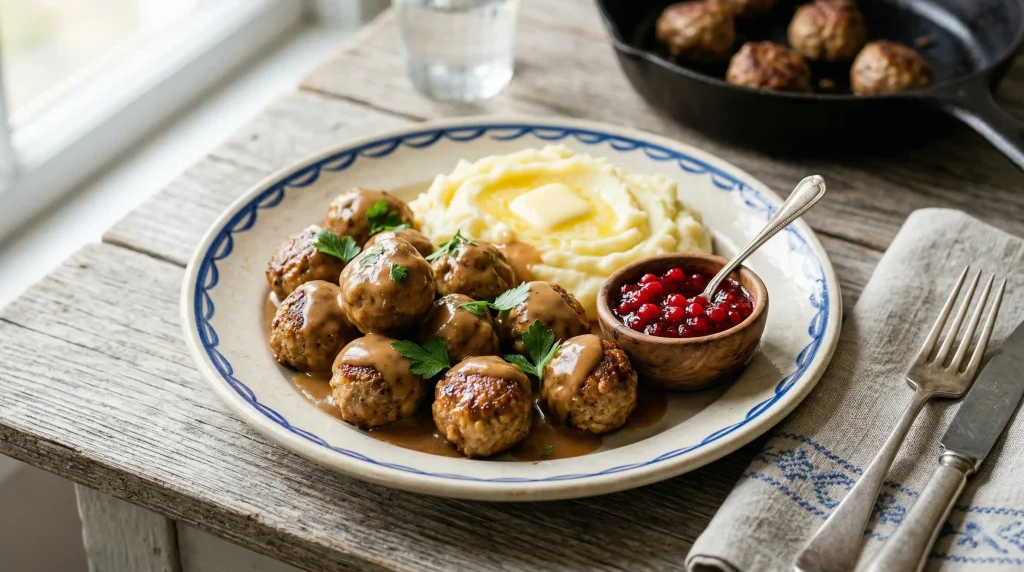
Swedish meatballs — köttbullar — are more than a dish. They’re a tiny, tender bite of Swedish identity: simmered in silky brown gravy, nestled alongside creamy mashed potatoes, a spoonful of sweet-tart lingonberries, and crisp pickled cucumbers. IKEA may have turned them into a global phenomenon, but at home in Sweden, every family guards their own favourite recipe. This guide digs into the surprisingly rich history behind köttbullar, walks you through an authentic recipe, and shares the tips and twists you need to nail them every time.
A Brief History of Köttbullar

Ottoman Roots — Fact or Legend?
The most popular origin story starts with a military defeat. In 1709, King Charles XII fled to the Ottoman Empire after losing a war with Russia. According to Uppsala University researcher Annie Mattsson, when he returned in 1715 he brought back more than just battle scars — among his cultural souvenirs were recipes for Turkish coffee, stuffed cabbage (dolma), and spiced meatballs (kofta). The first Swedish recipes for kåldolmar (stuffed cabbage) and köttbullar appeared in Cajsa Warg’s 1755 cookbook, Guide to Housekeeping for Young Women. Culinary historian Rachel Laudan notes that Ottoman kofta were typically made from veal, beef, or lamb seasoned with aromatic spices — a formula that Swedes adapted by swapping in a beef-and-pork blend and pairing the result with cream gravy and potatoes. When the Swedish government tweeted in 2018 that meatballs had originally come from Turkey, the internet erupted — though historians were quick to point out that the story is far more layered than a single tweet could capture.
Swedish Meatballs Were Already Here
The Ottoman tale is a great story, but the historical record suggests Swedes were already making meatball-like dishes before the king ever left for Istanbul. Åke Rålamb’s 1695 cookbook describes fricadelles — balls of chopped veal and suet, seasoned with mace, salt, and pepper, boiled and then fried. Christina Valleria’s early 18th-century manuscript goes further, with “oxe meat-lumps” made from chopped beef, suet, leek, eggs, parsley, ginger, and nutmeg. The Swedish dictionary SAOB traces the word köttbulle back to Cajsa Warg’s 1755 book — the same volume that introduced Ottoman-influenced recipes — suggesting that the two traditions likely cross-pollinated rather than one replacing the other.
The version most people recognise today was largely shaped in the 1950s and ’60s by chef Tore Wretman, a champion of husmanskost (Swedish home cooking). His recipe — a blend of minced beef, pork, and sometimes veal, with milk-soaked breadcrumbs and a whisper of allspice and white pepper — remains the gold standard in Swedish kitchens to this day.
What Makes a Swedish Meatball Swedish?
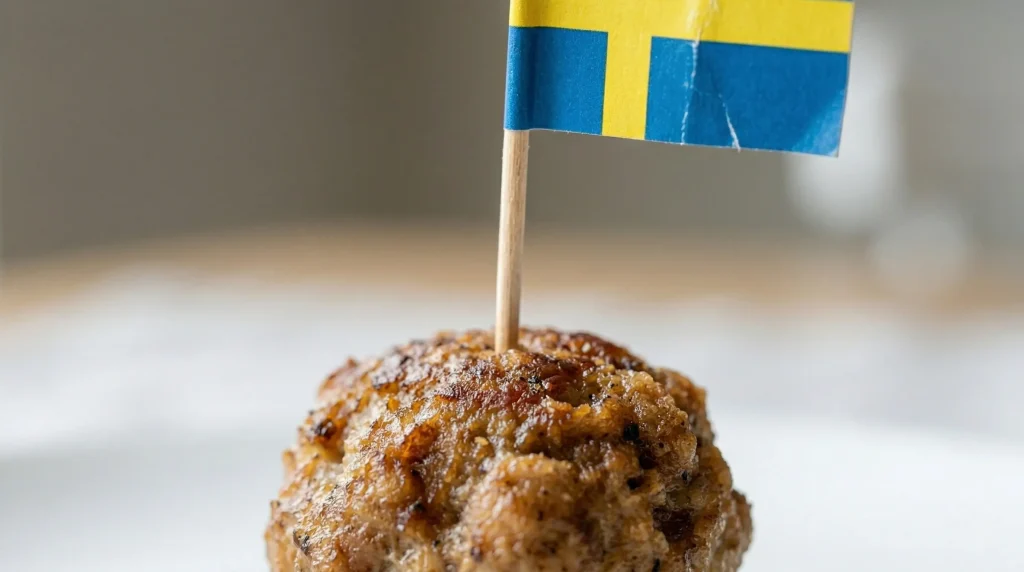
What sets köttbullar apart from their European cousins comes down to size, seasoning, and sauce. Swedish meatballs are small and round — delicate bites rather than the larger, flatter patties of Danish frikadeller, which are pan-fried with onion and often made from a looser, almost paste-like mixture of pork and veal. Italian meatballs, on the other hand, lean on Mediterranean flavours — garlic, oregano, fennel, and tomato — and are typically much larger, simmered in a rich tomato sauce. Köttbullar take a quieter, more restrained approach: the seasoning is warm rather than bold, built around white pepper, allspice, and a hint of nutmeg, with no garlic in sight. The milk-soaked breadcrumbs give them an unusually tender, almost pillowy texture, and the classic pairing with cream-based brown gravy, lingonberry jam, and pickled cucumbers is entirely Scandinavian in character. It is this specific combination — the spice profile, the texture, and the accompaniments — that makes a Swedish meatball unmistakably Swedish.
Vegetarian and vegan variations
Making plant-based köttbullar at home is easier than you might think. Beyond Meatballs and Impossible Meatballs are both great options — simply season them with ground allspice, a pinch of nutmeg, and white pepper, then fry in butter or a vegan alternative for that classic golden crust.
Finish them in a plant-based cream gravy made with oat or soy cream, and serve alongside mashed potatoes and lingonberry jam. The combination of warm spices, creamy gravy, and sweet-tart lingonberries is what makes köttbullar so comforting — and that magic translates perfectly to a meat-free plate.
Serving Suggestions
In Sweden, köttbullar are almost always served the same classic way: piled onto a plate alongside silky mashed potatoes, a generous ladle of brunsås (rich brown gravy), a spoonful of sweet-tart lingonberry jam, and a few slices of quick-pickled cucumbers for a refreshing crunch. The contrast of savoury, creamy, and tangy is what makes the combination so deeply satisfying — each element earns its place on the plate. That said, köttbullar also have a proud tradition on the Swedish smörgåsbord, where they are served at room temperature without any sauce, letting the seasoned meat speak entirely for itself alongside other cold and warm dishes.
Making the perfect Swedish meatballs at home
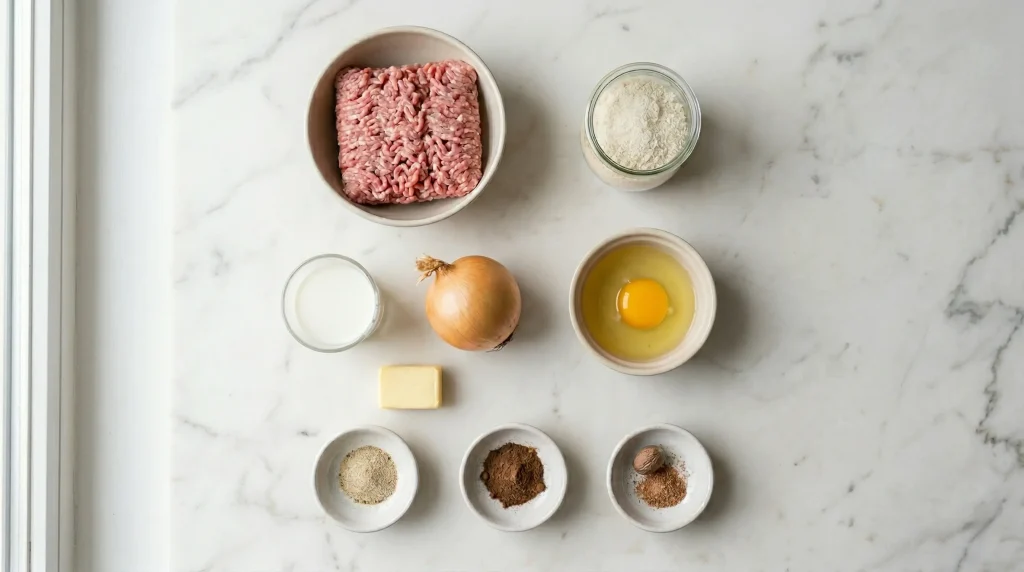
What You Will Need
- Ground meat (I like to use roughly equal parts beef and pork — beef brings flavour and structure, while pork adds fat for juiciness and tenderness)
- Whole milk or light cream (cream yields a richer meatball)
- White breadcrumbs — soaked in milk or cream, breadcrumbs act as a panade, absorbing moisture and releasing it slowly during cooking so the meatballs stay tender and juicy rather than dense and tight
- Egg — acts as a binder, holding everything together so the meatballs keep their shape when frying without becoming rubbery
- A small yellow onion — finely grated or softened in butter before mixing in, onion adds subtle sweetness and depth of flavour; raw grated onion integrates seamlessly without any noticeable chunks
- Salt, pepper, allspice or nutmeg — the warm spices are the signature touch that makes these distinctly Swedish
Tips for Perfect Meatballs
Following a few simple tricks will help you achieve restaurant‑quality Swedish meatballs every time:
- Don’t skip the panade. Soaking the breadcrumbs in milk or cream before mixing them in is the single most important step for a tender, moist meatball. Don’t rush it — give them a few minutes to fully absorb.
- Sweat the onion first. Frying the grated or finely chopped onion in butter until soft before adding it to the mix removes any harsh raw bite and ensures it blends smoothly into the meat.
- Keep everything cold. Cold meat mixture is easier to roll and holds its shape better. If the mixture feels sticky or warm, pop it in the fridge for 15–20 minutes before shaping.
- Use a small cookie scoop. For evenly sized meatballs that cook at the same rate, a cookie scoop is your best friend — aim for roughly 2–3 cm (about 1 inch) in diameter for the classic small Swedish size.
- Don’t overcrowd the pan. Fry in batches, giving each meatball enough space to brown all over. Overcrowding traps steam and you’ll end up with grey, stewed meatballs rather than a beautiful golden crust.
- Finish in the gravy. After frying, let the meatballs simmer gently in the brunsås for a few minutes — they absorb the flavour and the gravy becomes more flavourful from the drippings. A win-win.
- Taste and adjust seasoning before shaping. Fry a small teaspoon of the raw mixture in the pan and taste it. It’s much easier to adjust salt and spices now than after you’ve rolled 40 meatballs.
Classic Swedish meatballs (Authentic recipe)
Ingredients
Method
- In a bowl, pour the milk over the breadcrumbs and allow them to soak for 5–10 minutes until soft.
- Dice the onion finely and sauté it in a small pat of butter over medium heat until translucent but not browned. Let it cool.
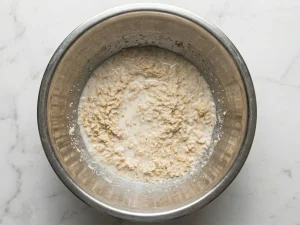
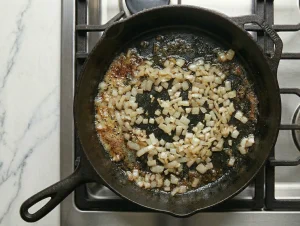
- In a large bowl, combine the soaked breadcrumbs (including any remaining milk), cooled onion, ground beef and pork, egg, salt, white pepper and allspice (plus nutmeg if using).Mix gently with clean hands or a fork until everything is evenly combined. Avoid over‑working the mixture so the meatballs stay tender.
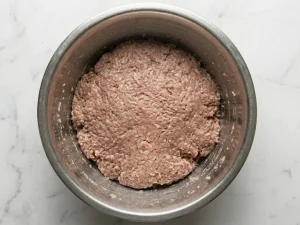
- With damp hands or using an ice cream scoop, form the mixture into small balls about 2½ cm (1 inch) in diameter. A traditional Swedish meatball weighs roughly 30 g (1 oz).Place the shaped meatballs on a damp plate or baking sheet. For best texture, cover and refrigerate for 30 minutes.
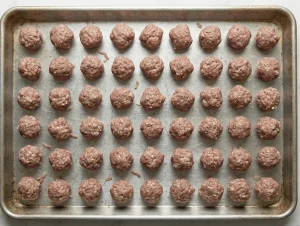
- Heat the butter in a large frying pan over medium heat. When the butter foams and then “goes quiet,” add the meatballs.Fry in batches, shaking or turning the pan often so the meatballs brown evenly on all sides. Cook until they’re nicely browned and just cooked through (7–10 minutes, depending on size). Remove to a warm plate while you cook the remaining meatballs.
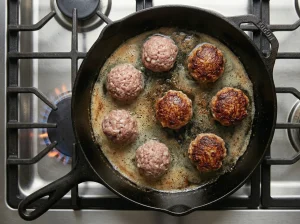
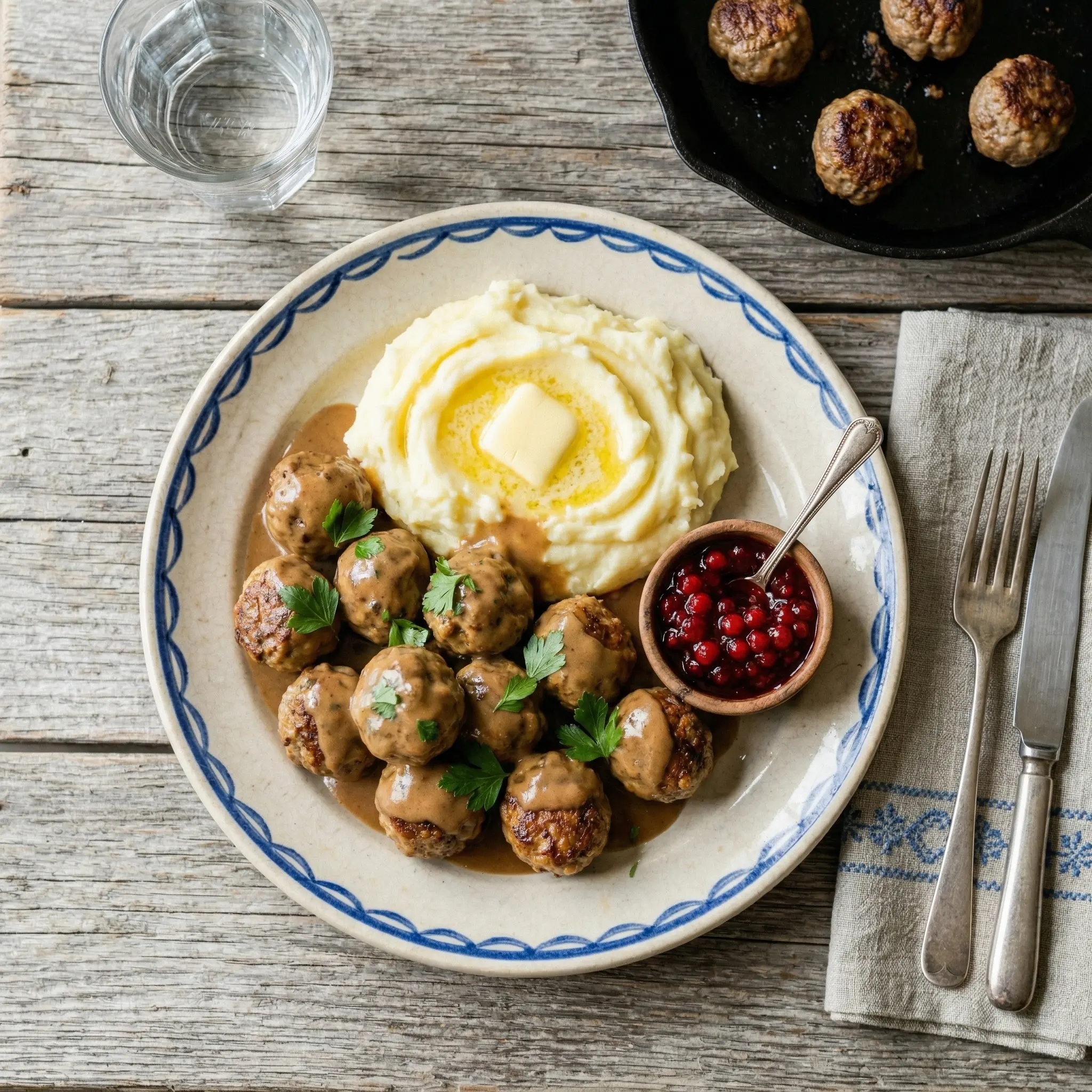
- Serve the meatballs immediately with creamy mashed potatoes and Swedish brown gravy. In Sweden, meatballs are often accompanied by lingonberry jam and pickled cucumber.
Storage and Reheating
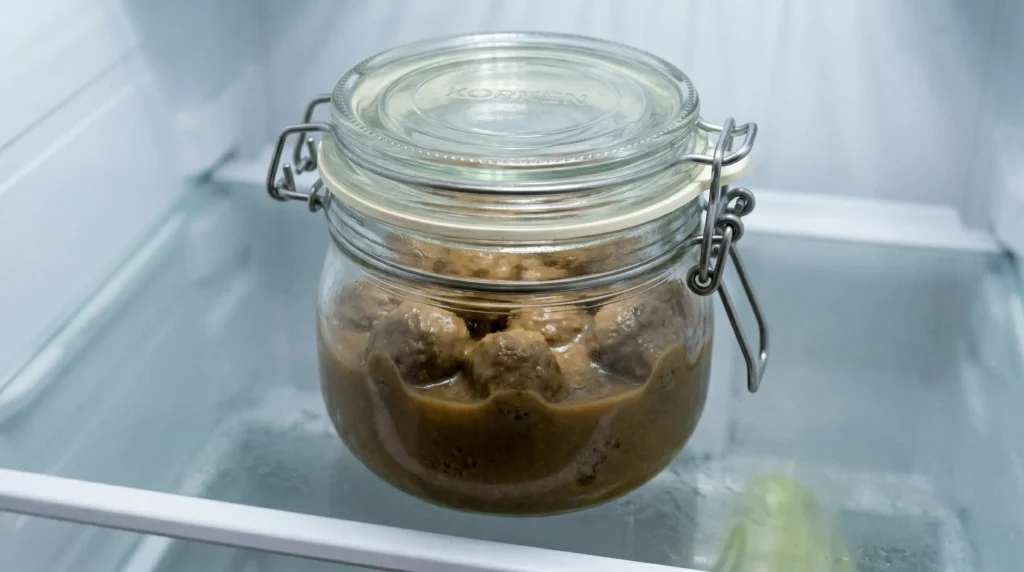
Leftover köttbullar keep well in the fridge for up to 2–3 days stored in an airtight container — if anything, the flavour deepens overnight as the spices settle. For longer storage, freeze the meatballs in a single layer on a baking tray first, then transfer to a freezer bag once solid; they will keep for up to 3 months and can be cooked straight from frozen. To reheat, the best method is to warm them gently in the gravy over a low heat on the stovetop, which keeps them moist and lets them soak up even more flavour. If you are reheating without gravy, a low oven at 150°C (300°F) for about 10–15 minutes works well — avoid the microwave if you can, as it tends to toughen the texture and dry them out. The meatballs are also excellent cold straight from the fridge, especially on a smörgåsbord-style spread, so don’t feel obliged to reheat them at all.
Swedish Meatballs troubleshooting and FAQ
Authentic Swedish meatballs utilize a precise blend of ground beef and pork. Essential components include finely grated onions and a panade—breadcrumbs soaked in milk or cream—which acts as a crucial binder. The distinct flavor profile requires precise seasoning with salt, white pepper, and ground allspice.
Meatballs usually fall apart due to an insufficient binder or an excess of moisture from ingredients like onions. Ensure you use one egg per pound of meat and a high-quality panade. Chilling the rolled meatballs for 30 minutes before frying helps the fats solidify, maintaining structural integrity during the sear.
A sticky mixture is often the result of too much milk or onion juice. To resolve this, incrementally add dry breadcrumbs until the texture is manageable. Alternatively, refrigerating the mixture for at least 30 minutes allows the starches to fully hydrate, naturally firming up the mix without adding extra filler.
Toughness is caused by overworking the meat, which develops excessive protein cross-linking. To ensure a tender result, mix the ingredients by hand only until just combined. Using a panade (bread soaked in milk) is also essential, as it creates physical barriers that prevent the meat proteins from bonding too tightly.
Lumpy gravy occurs when the roux is not properly integrated with the liquid. To fix this, slowly whisk in the beef stock a small amount at a time, ensuring each addition is smooth before adding more. If lumps persist, an immersion blender or a fine-mesh sieve can be used to achieve a silky texture.
A broken sauce indicates that the fat has separated from the emulsion. To repair it, remove the pan from the heat and whisk in a tablespoon of cold heavy cream or a teaspoon of Dijon mustard. These ingredients act as emulsifiers, helping the fat and liquid re-bind into a smooth, creamy sauce.
Dry meatballs can be salvaged by simmering them in the gravy or a flavored broth for 30–60 minutes on low heat. This slow braising process allows the dry proteins to absorb moisture from the surrounding liquid. For extreme dryness, poking the meatballs with a toothpick beforehand can help the liquid penetrate.
Over-spiced meatballs can be balanced by increasing the volume of the other ingredients, particularly the cream sauce. A more neutral gravy will dilute the spice concentration. Additionally, serving the meatballs with a tart lingonberry jam provides a needed acid contrast that can help cut through the heavy, warming spice notes.
Impossible meat browns more quickly than beef due to its starch and sugar content. To achieve a perfect sear, use a medium heat and a well-seasoned cast-iron skillet. Lightly dusting the meatballs in flour before frying can also create a protective crust that browns beautifully without scorching the plant-based proteins.
The most effective vegan binders include “flax eggs” (ground flaxseed mixed with water) or mashed potatoes. These provide the necessary viscosity to hold the ingredients together. For the best texture, ensure you use a vegan panade made from breadcrumbs and plant-based milk to maintain moisture without animal products.
Yes, breadcrumbs can be replaced with almond meal or finely crushed pork rinds to act as a binder. However, the texture will be denser than traditional meatballs. To maintain moisture, ensure you use a high-fat meat blend and do not skip the egg, which is crucial for structural integrity in low-carb versions.
Soaking breadcrumbs in warm milk creates a panade, which is crucial for authentic texture. This hydrating binder prevents the ground beef and pork proteins from shrinking and toughening during cooking. It ensures the meatballs remain exceptionally tender, smooth, and structurally sound while frying in the hot pan.
While allspice is mandatory, adding freshly grated nutmeg provides depth. A highly effective secret ingredient is a tiny quantity (1/4 teaspoon per two pounds of meat) of crushed fennel seeds, which provides a subtle aromatic note. A dash of Worcestershire sauce also massively enhances the beef’s natural umami.
In Sweden, meatballs are strictly served with boiled or mashed potatoes and a brown cream sauce called gräddsås. Crucial accompaniments include tart lingonberry jam, which cuts the richness of the meat, and pressgurka, a quick-pickled cucumber. Serving them with tomato sauce or pasta is historically non-traditional.
IKEA officially introduced their famous Swedish meatball to their store cafeterias in 1985. The dish was developed by Swedish chef Severin Sjöstedt after ten months of extensive testing. The goal was to create a traditional, delicious, and highly affordable food item. IKEA now sells over one billion meatballs annually.
According to Swedish culinary tradition, one should not eat an IKEA meatball whole. The optimal method is to cut the meatball in half. Using a fork, combine the meatball half with mashed potatoes and lingonberry jam to experience all the contrasting savory, creamy, and tart flavors in a single bite.
Beyond Meat uses pea and brown rice protein with coconut oil, offering a coarser, chewier texture similar to traditional meatballs. Impossible Meatballs rely on soy protein and heme, delivering a finer grind, a redder raw appearance, and heavy pre-seasoning featuring garlic, oregano, and pronounced umami flavors.
Yes, raw plant-based grounds substitute 1:1 for beef and pork. However, you must add breadcrumbs incrementally to prevent a dry, crumbly texture. Because plant-based meats lack traditional animal fat drippings, you must heavily fortify your Swedish cream sauce with vegan Worcestershire or vegetable bouillon to replace the missing fond.
Pre-made Beyond Meatballs can be pan-fried for 12 to 13 minutes over medium heat, turning continuously. Alternatively, bake them at 375°F on an aluminum-lined sheet for 15 to 16 minutes. If adding directly to a sauce, sear them lightly for 3 minutes, then simmer covered for 20 to 60 minutes.
Impossible Meatballs are optimized to cook straight from frozen. Place them on a baking sheet and bake in a pre-heated oven at 375°F for approximately 15 minutes. They can also be prepared highly efficiently in an air fryer at 350°F to 375°F for exactly 7 to 8 minutes.
Authentic Swedish gravy relies entirely on the rich fond (browned meat drippings) left in the skillet. Beyond and Impossible meats do not render these same savory drippings, resulting in a flat, dairy-heavy sauce. To fix this, vigorously fry aromatics and stir extra salt, pepper, soy sauce, and Worcestershire into the pan.
The bright red sauce alongside IKEA’s iconic Swedish meatballs is lingonberry jam — called lingonsylt in Swedish. It’s a sweet-tart berry preserve made from lingonberries, tiny ruby-red berries that grow wild in the boreal forests and mountains of Scandinavia.
Final Thoughts
Swedish meatballs are a lesson in balance: creamy and savoury yet sweet and tangy, humble yet endlessly customisable. Whether you make them following the classic formula or explore vegan plant balls, the key is to mix gently, season warmly and serve them with mashed potatoes, gravy and lingonberries. With this comprehensive guide you can bring a taste of Sweden to your table and appreciate the rich story behind every bite. Trevlig måltid!
Juicy Swedish meatballs that deliver warmth and timeless comfort in every bite