
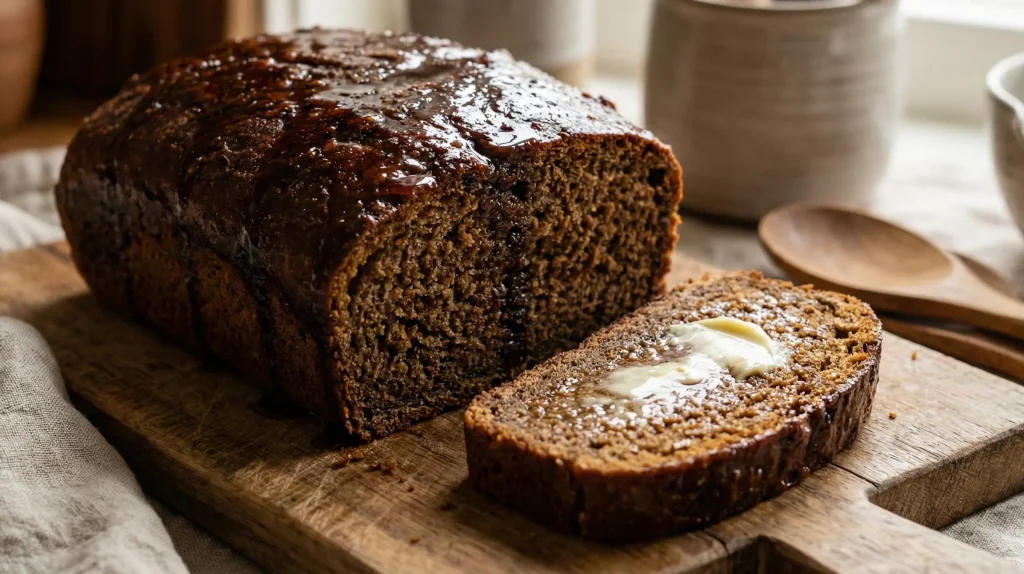
There’s a Finnish bread that can convert even the staunchest rye skeptic. Meet saaristolaisleipä, or Finnish archipelago bread – a dark, dense loaf that’s as cozy as it is unique. Baked with rye flour, malt, and dark syrup, it defies the sour profile of a classic Danish rugbrød with a gentle sweetness and moist crumb. Slice into it and you’ll catch aromas of molasses and malt, evoking wood-fired ovens and holiday spice. Each bite balances malty sweetness with a hint of tang, thanks to fermented milk in the dough. It’s the kind of bread you savor slowly, preferably with a spread of salty butter melting into the rich crumb.
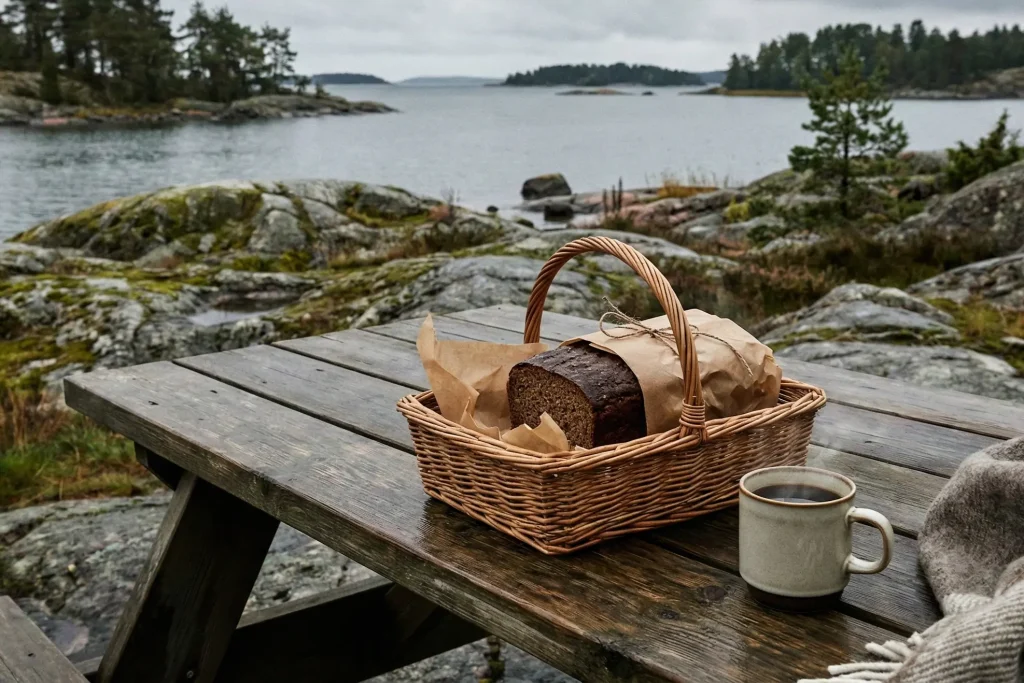
Sticky slice of tradition
Finnish archipelago bread – or Island Loaf as I like to call it, is glazed with dark syrup, giving it a glossy crust and preserving its soft, cake-like interior. This traditional loaf hails from Finland’s southwestern archipelago region, where generations of islanders baked it to sustain themselves through long sea voyages and winter nights.
The secret to its lasting tenderness is in the syrup: old-time bakers learned that sweetening the dough would keep the bread moist longer, an important perk for loaves meant to last. The result is a bread that actually tastes better a day or two after baking – a fact Finnish families know well.
In Finland, saaristolaisleipä is enjoyed year-round, but it truly shines on festive tables. It’s an essential part of the Christmas dinner spread for many Finns, often served alongside cured fish, roe, or hearty stews. Don’t be surprised to see it at Midsummer feasts, either – this bread’s deep flavor pairs just as beautifully with summer’s smoked salmon as it does with winter’s pickled herring.
A Brief History & Traditions
Finnish archipelago bread carries a rich history kneaded into its dough. Originating on the islands off Finland’s southwest coast, saaristolaisleipä was traditionally baked in wood-fired ovens in remote fishing villages. Lacking easy access to wheat or fancy ingredients, island bakers relied on sturdy rye flour and whatever sweetener they had – often dark syrup made from sugar beets. They discovered that a hefty dose of syrup not only gave the bread a lovely sweetness and nearly black color, but also helped it stay soft and moist for an impressively long time. Before modern preservatives, this was key: a loaf baked on Monday might still be perfectly tender by the weekend! In fact, a well-wrapped archipelago bread can remain delicious for weeks (some say even months) without staling.
The name saaristolaisleipä literally means “islanders’ bread,” and it was very much a product of its place. Each coastal household had its own tweaks – a bit of sourdough starter for tang, perhaps, or a splash of home-brewed ale. Many recipes were closely guarded secrets passed down through families.
Over time, the bread’s fame spread to the mainland. By the 20th century it was known across Finland (often by the nickname saaristolaislimppu) as a regional delicacy beloved at holidays. Even as everyday Finnish rye bread (ruisleipä) remained plain and sour, this sweet, festive loaf became the go-to for celebrations and special occasions.
Today, archipelago bread is as common as it is cherished: you’ll find plastic-wrapped loaves in every Finnish grocery store, especially in December. Yet nothing beats baking it at home for that incredible aroma of malt and syrup filling your kitchen. Culturally, it’s served in slices (never too thick) and often topped with Finnish classics: gravlax (cured salmon) / Gin gravlax with dill, pickled herring salad, or the egg-and-anchovy spread known as gubbröra.
It’s equally glorious simply smeared with high-quality salted butter – the sweet bread and creamy salt make a perfect pair. At Christmastime, many Finns can’t imagine a smörgåsbord (buffet) without saaristolaisleipä alongside the ham, fish, and rosolli salad. And because the loaves improve with age, they’re often baked in advance – one less thing to do amid holiday hustle. (Insider tip: some Finnish families even gift these breads, wrapped in paper and ribbon, to neighbors as an edible present of goodwill.)
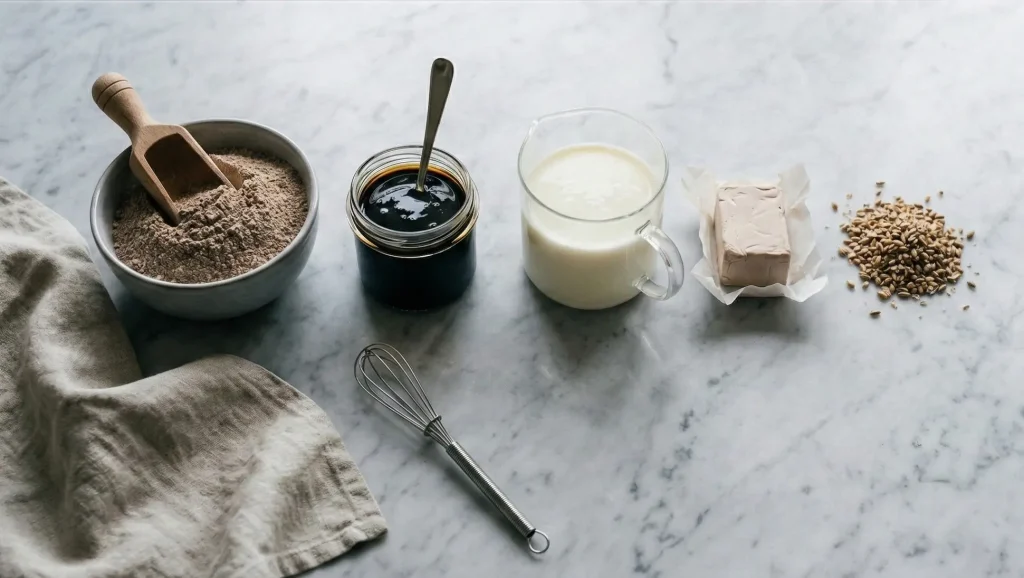
Ingredients, Substitutions and Tips
Baking this bread outside of Finland is absolutely doable – you might just need a couple of special ingredients and a little patience. Here’s a breakdown of what makes Finnish archipelago bread so distinctive, plus substitution ideas if you’re not in Finland:
Rye and Wheat Flour
This loaf uses a mix of rye flour and all-purpose wheat flour. The rye provides hearty flavor and dark color, while wheat flour lightens the texture just enough to prevent the bread from becoming a brick. For authenticity, use whole-grain rye if you can (it gives a deeper flavor and lots of fiber). All-purpose or bread flour works for the wheat portion. Tip: Don’t try to use 100% rye – without some wheat, the loaf would be too dense and won’t rise well.
Rye Malt
One of the defining ingredients is crushed rye malt – basically malted grain that’s been dried and coarsely ground. It looks a bit like rough coffee grounds or grape-nuts cereal. Malt gives the bread its malty sweetness and a slight hint of beer-like depth. In Finland, bakers use brewing malts or a malt mix sold just for this bread. Check brewing supply stores or online shops for “rye malt” or “crushed malted barley” (barley malt works similarly well). Substitute: If you absolutely can’t find malt, you can use a non-diastatic malt powder or even omit it – the bread will be a bit less dark and complex, but still tasty. Some creative bakers replace part of the liquid with a strong stout beer to mimic the malt flavor (in that case, reduce the malt or skip it). Just be sure not to use sweet “malt drink powder” (like Ovaltine) – that’s a different product and often has sugar and milk added.
Dark Syrup
Archipelago bread’s other signature ingredient is Nordic dark syrup (tumma siirappi), a thick sugar syrup from Scandinavia. It’s lighter in flavor than molasses, almost like a cross between molasses and golden syrup. This syrup is what makes the bread sweet, moist, and gives it that shiny glaze. In the U.S., the easiest substitute is mild molasses (sometimes labeled “light molasses”). Grandma’s brand “Original” molasses works well. Tip: Do not use blackstrap molasses – it’s too bitter. If you want to closer mimic Finnish syrup, you can do 50/50 light molasses and honey or maple syrup to soften the flavor. In our recipe we’ll use molasses for convenience, but if you have actual Scandinavian dark syrup on hand, even better!
Buttermilk (or Not)
Traditional recipes use piimä (Finnish sour milk) or buttermilk as the liquid. The slight acidity helps activate the baking soda (if used) and adds flavor. Buttermilk makes the crumb tender and adds a subtle tang that balances the sweetness. If you don’t have buttermilk, don’t fret – you have options. Substitute: Use an equal amount of kefir or plain yogurt thinned with a little water. In a pinch, you can even use plain milk with a tablespoon of vinegar (let it sit 5 minutes to curdle). Interestingly, some have even used apple juice instead of milk – but I’ll leave the story behind that for a later post. The juice keeps the bread moist and adds a fruity sweetness (don’t worry, it won’t taste overtly appley after baking). If using juice, choose 100% juice (no added sugar) to avoid making the bread too sweet. And of course, you can use a plant-based milk (soy, oat, almond) with a teaspoon of vinegar for a vegan approach.
Yeast
This bread is most often made with commercial yeast for convenience. You can use active dry yeast or instant yeast; either will do the job of lifting this heavy dough. In Finland, fresh yeast is common – if you have access to fresh cake yeast, you’ll dissolve it in the warm buttermilk. For our recipe, we’ll specify packets of dry yeast for simplicity. One packet (7 g) of dry yeast is roughly equivalent to 25 g of fresh yeast. We use two packets because this dough is quite enriched and heavy. Sourdough option: Traditionally, saaristolaisleipä was sometimes made with a sourdough starter for extra tang. If you’re a sourdough enthusiast, you can replace the yeast with a robust rye starter (you’ll need to ferment the dough much longer, and results may be a bit denser). Many modern Finnish bakers actually do a hybrid: a little sourdough for flavor and yeast for reliability.
Bran or Oats
It’s quite common to include a portion of wheat bran (lese) or sometimes oat bran. This increases the fiber and gives the bread a bit of “chew.” You can use oatmeal (quick or old-fashioned rolled oats) as well – it will disappear into the dough but contributes to the texture. If using bran, note that it absorbs a lot of moisture; so slightly reduce the amount of bran or add a touch more liquid to ensure the bread isn’t dry. My recipe uses a moderate amount and has plenty of liquid to keep things moist. If you only have rolled oats, you can swap them in one-for-one (same weight) – no need to pre-soak, they’ll soften during rising.
Seasonings
Uniquely, archipelago bread doesn’t rely on spices like many other Nordic breads do. Its flavor comes primarily from the malt and syrup. That said, some regional variations do include a pinch of spice. For example, in the Gustavs region it’s not uncommon to add a teaspoon of anise or fennel seed for a whisper of licorice-like aroma. This is totally optional. You could also add a teaspoon of orange zest to the dough for a faint citrus note (a nod to Swedish vörtbröd, a similar sweet rye bread). In general, though, we let the malt and rye shine on their own. And of course, don’t forget salt – it may seem minor, but a tablespoon of salt is critical to balance all that sweetness.
Add-ins & Toppings
While not traditional, a handful of sunflower seeds or pumpkin seeds mixed into the dough can add a lovely nutty bite (about ½ cup of seeds is plenty). Some contemporary recipes also sprinkle seeds or rolled oats on top of the loaf before baking for visual appeal. If you do, brush the top with a bit of butter or oil first so they stick.
Finally, a note on yield and equipment: This recipe makes two loaves. Why two? Well, if you’re going to go through a 2+ hour bake, you might as well get more than one bread out of it! You can always freeze the extra (it freezes beautifully). We recommend using two standard loaf pans. Aim for pans around 1.5 L in volume – the typical 9×5 inch loaf pan is perfect (8×4 inch pans work too, the loaves will just be a bit taller and you might get a third loaf if your pans are small). Make sure to grease your pans well (butter is traditional; a neutral oil or baking spray works fine too) because the combination of syrup and long bake can make loaves prone to sticking. Now, on to the recipe!
Finnish Archipelago Bread Recipe
Below is a traditional saaristolaisleipä recipe. It yields two gorgeously dark, sweet rye loaves – just like you’d find in a Finnish island kitchen. This version uses buttermilk for a tender crumb, along with rye malt and molasses to create that signature malty sweetness. Measurements are given in both metric and US customary units. Be aware that this is a slow-baked bread: it requires about 2½ hours of total rising time and a long bake, so plan accordingly. The good news is it’s mostly hands-off – no intensive kneading, just mixing and waiting while your kitchen fills with an amazing aroma. (And trust us, the wait is worth it for a taste of Nordic tradition!)
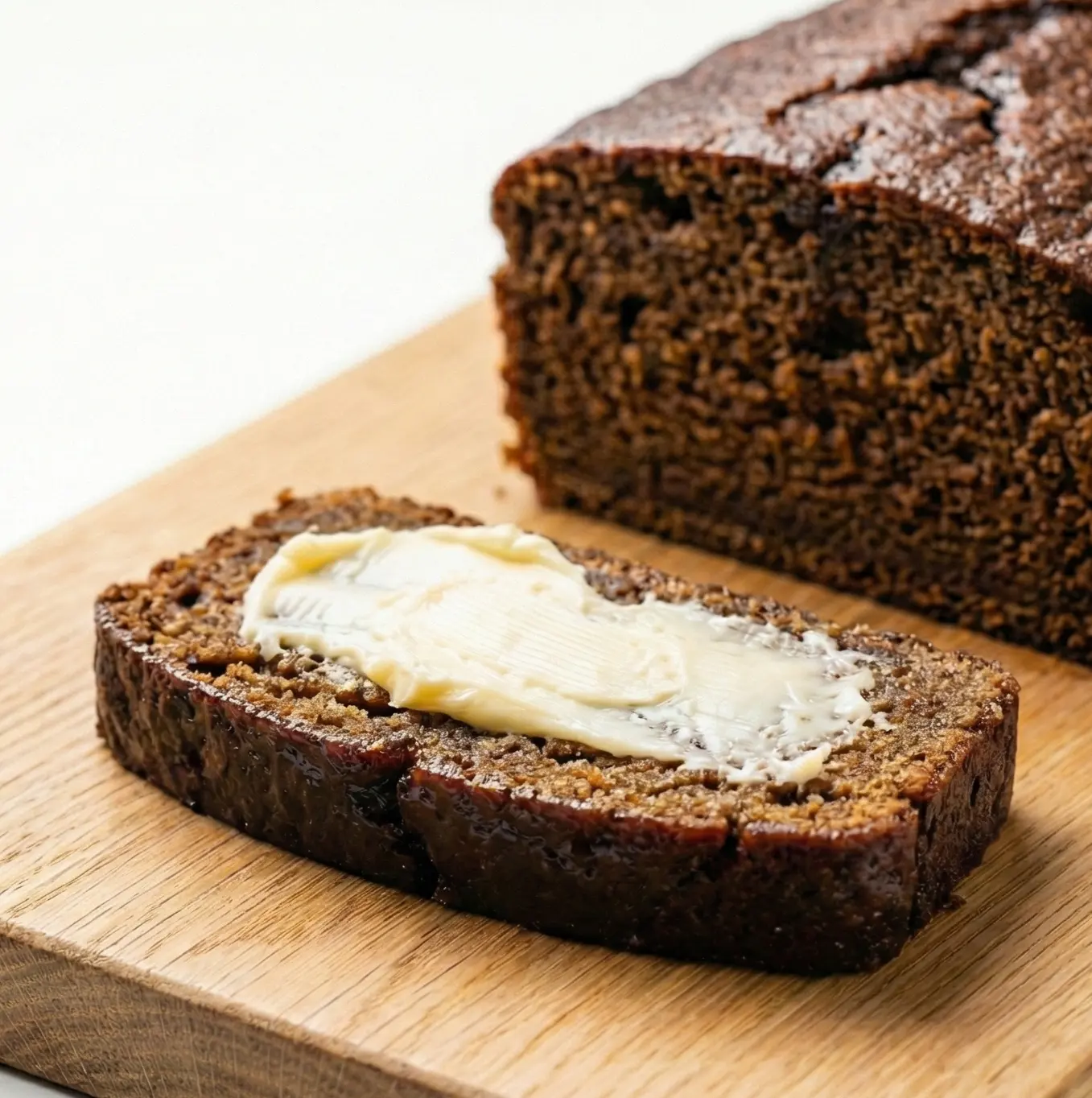
Finnish Archipelago Bread – A Sweet, Malty Island Rye Loaf
Ingredients
Method
- Gently warm the buttermilk in a saucepan until lukewarm (about 37 °C/98 °F – it should feel neutral to the touch). Pour it into a large mixing bowl.
- If using active dry yeast, sprinkle the yeast over the warm buttermilk and let it sit for 5 minutes, until foamy.
- (If using instant yeast, you can skip the wait – just proceed with mixing.)
- Stir in the dark syrup (molasses) and salt until dissolved. The mixture will look caramel-colored and smell a bit like toffee.
- In a separate bowl, stir together the wheat bran, crushed rye malt, and rye flour.
- Add this dry mixture to the liquid in the large bowl.
- Stir with a sturdy spoon or spatula until everything is well combined.
- Gradually add the all-purpose flour, one cup at a time, while stirring.
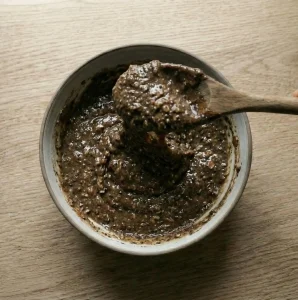
- The dough will be very wet and porridge-like – this is expected. Keep mixing (you don’t need to knead as such, just vigorous stirring) for about 5 minutes until you have a heavy, uniform batter
- It will resemble thick mud and be hard to stir – a workout for your arm! (Tip: if the spoon becomes too hard to handle, you can reach in with clean hands and “knead” by squeezing the dough lightly; but it will be sticky.)
- Cover the bowl with a clean kitchen towel or plastic wrap. Leave the dough to rise at room temperature for about 1 hour, or until roughly doubled in volume.
- This dough may not puff up as dramatically as a white bread dough, but you should see it expand and get bubbly on top.
- While the dough is rising, prepare your loaf pans. Grease two 9×5 inch loaf pans (or similar) generously with butter or oil.
- If your pans are smaller (8×4 inch), you may end up needing a third pan or can make a small free-form loaf with excess dough.
- After the first rise, stir down the dough – it will be foamy and spongy. Give it a few good stirs to distribute the bubbles (the dough will deflate; that’s okay).
- Divide the dough into the prepared loaf pans. Fill each pan only about halfway full. The dough is still quite loose, so it will level itself out in the pan; you can smooth the tops with a wet spatula if needed.
- Cover the pans with a towel and let the dough rise a second time for 1 to 1½ hours. It should rise to near the top of the pans (about doubled).
- This second rise may take longer if your room is cool – be patient, as a full rise ensures a lighter texture.
- Meanwhile, preheat your oven to 175 °C (~350 °F).
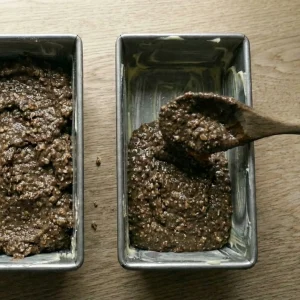
- Place the risen loaves on the lowest rack of the preheated oven (this helps prevent the tops from over-browning). Bake for about 60 minutes at 175 °C (350 °F).
- Do not be tempted to crank up the heat – the long, slow bake is crucial for cooking this very moist bread through without burning it.
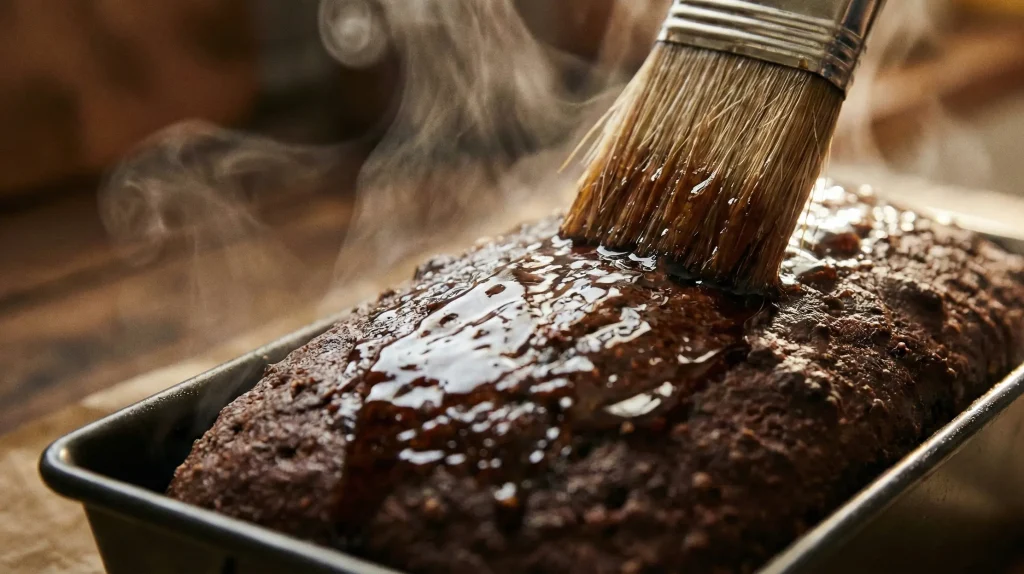
- While the bread is baking, mix the glaze by combining 2 Tbsp dark syrup and 2 Tbsp water in a cup.
- After 60 minutes of baking, carefully pull out the oven rack enough to access the loaves (or remove them briefly).
- Brush the tops of the loaves generously with the syrup-water mixture. This will soak in and create a glossy, slightly sticky crust.
- Return the bread to the oven and continue baking for another 20–30 minutes. The total bake time will be 80–90 minutes.
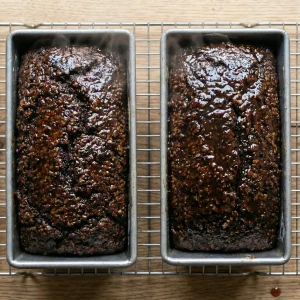
- The finished bread will be very dark (almost black on the crust edges) and a skewer inserted in the middle should come out mostly clean (a few moist crumbs are fine).
- If you have a kitchen thermometer, the center should reach about 96 °C (205 °F).
- Note: If at any point the tops seem like they might burn, you can lay a piece of foil loosely over the loaves. Typically, the syrup glaze prevents burning and gives a deep coloration.
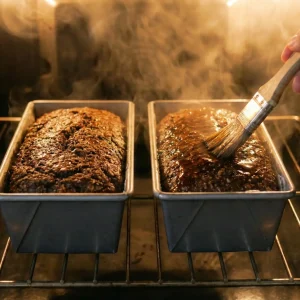
- As soon as the loaves come out of the oven, give them one more quick brushing with the syrup-water for extra shine.
- Then let the loaves cool in the pans for at least 15–20 minutes. Archipelago bread is very tender when hot, and cooling in the pan helps it hold its shape.
- After about 20 minutes, run a knife around the edges and gently turn out the loaves onto a rack to finish cooling. (If they seem stuck, give them more cooling time – they usually release once the syrup on the sides solidifies a bit.)
- Ideally, cool completely to room temperature, then wrap in plastic or foil and wait until the next day to slice.
- This bread actually slices better and tastes better after resting – the flavor deepens and the crumb sets to a sliceable firmness. It’s hard to wait, but the Finns swear by this (and so do I!).
Notes
Notes and Variations
- Make-Ahead: Saaristolaisleipä is the ultimate make-ahead bread. It stays moist for days (thanks to the syrup and acidity) and the flavor improves after 1–2 days of storage. Bake it a day or two before you plan to serve it, cool completely, then wrap in plastic wrap or foil. It will keep at room temperature for about a week. For longer storage, this bread freezes well – wrap it tightly (whole or pre-sliced) and freeze up to 3 months. Thaw at room temp or pop slices in the toaster.
- Dairy-Free / Vegan: This recipe is easy to adapt for a vegan diet. Simply use a plant-based milk (such as oat milk or almond milk with a teaspoon of vinegar added) or use 100% fruit juice (orange or apple) in place of the buttermilk. The rest of the ingredients are vegan (molasses instead of honey, etc.). Also remember to grease your pans with oil or a dairy-free shortening. The taste and texture will be very similar – so you won’t be straying far from tradition.
- Gluten-Free Option: Because it’s so rye-forward, this bread is not easily made gluten-free – rye itself contains gluten. You could experiment with a 1:1 gluten-free flour blend in place of the wheat flour and add 1 tsp xanthan gum (plus use a buckwheat or sorghum flour instead of rye), but the results will be different and more cake-like. If you’re avoiding gluten, a better Nordic bread to try might be a seed-heavy knäckebröd (crispbread) made with gluten-free flours.
- No Rye Malt: If you can’t source malt, increase the rye flour by ½ cup (or 60 g) and consider substituting 1 cup of the buttermilk with a dark beer for some malty flavor. Another trick is to add 1–2 tablespoons of malt syrup (the kind sold for bagel-making or brewing) if you find that – it’s liquid, so reduce the dark syrup slightly to compensate. The bread will still turn out nicely even if you omit the malt entirely; it just will be a bit paler and less aromatic.
- Alternative Sweeteners: Dark syrup or molasses gives the most authentic taste. If you want to experiment, you can use maple syrup or honey for a portion of the sweetener – you could replace up to half of the molasses with one of those. The bread will have a slightly different sweetness and the color may be lighter. We don’t recommend using white or brown sugar to replace the syrup, as the liquid form is important for the bread’s moisture.
- Spices & Flavorings: As mentioned, you can add 1–2 teaspoons of ground anise or fennel to the dough for a traditional hint of spice. A teaspoon of orange zest is another lovely addition, especially if you used orange juice as the liquid. These give the bread a holiday flair (almost like the Swedish vörtbröd which uses wort and spices). Feel free to leave them out for a purely malty-sweet flavor profile.
- Baking Format: This bread is nearly always made in loaf pans, but you can get creative. If you don’t have loaf pans, you could use oven-safe ceramic dishes or even cleaned large cans (to get a round loaf shape). Just make sure to fill any vessel only half full with dough and adjust baking time if the loaf is smaller (start checking earlier). We don’t recommend free-form baking this dough on a flat tray – it’s too liquid and will spread out. However, one could bake it in a Dutch oven (lined with parchment) for a rustic shape – if you try this, keep the dough quantity small and expect a very squat loaf.
Serving Suggestions and Final Thoughts
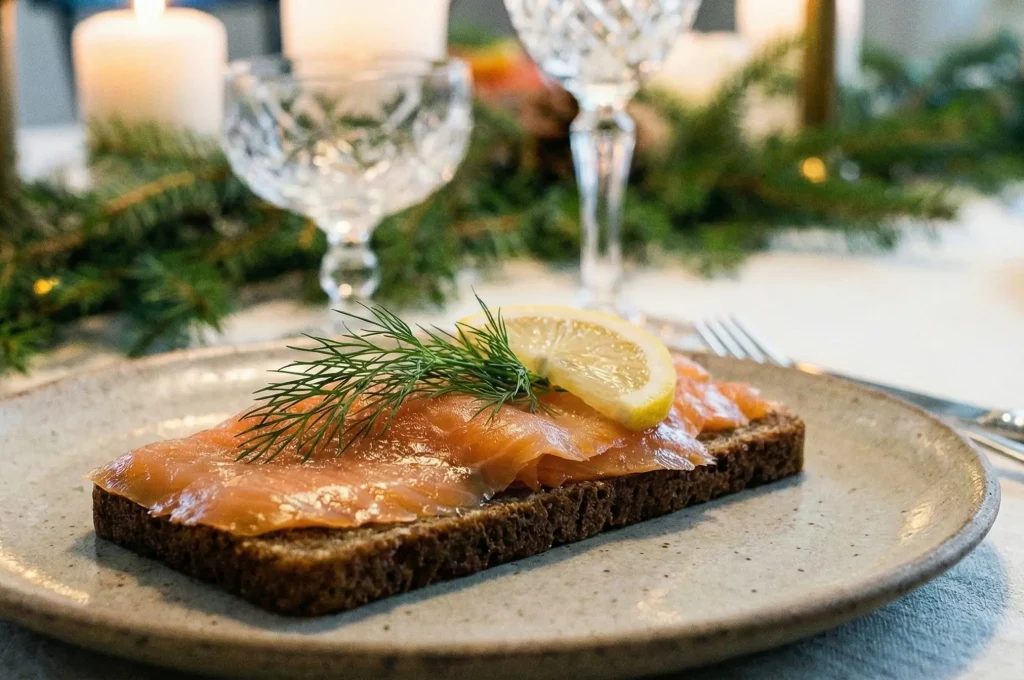
A warm loaf of Finnish archipelago bread is more than just bread – it’s a symbol of Nordic hospitality and tradition. In Finland, offering guests a slice of this dark, luscious loaf (with plenty of butter on the side) is a way of saying “Welcome, make yourself at home.” It’s common to serve saaristolaisleipä with an array of toppings so everyone can customize their slice. Try it the Finnish way: with cold-smoked salmon or gravlax, a dollop of dill-infused sour cream, and a squeeze of lemon – you’ll understand why this bread is a must at every Christmas buffet and Midsummer party. Another classic is to top it with creamy Finnish egg salad (munavoi) or a thin slice of Finnish cheese. The sweetness of the bread beautifully complements savory and salty foods – think pickled herring, smoked ham, even a sharp mustard. Yet it’s equally delightful as a sweet snack: try it with marmalade or alongside a cup of hot cocoa.
Because saaristolaisleipä is so moist and cake-like, it keeps well and travels well. Consider packing it on your next autumn picnic or serving it with a hearty soup (pea soup or salmon chowder are traditional pairings). And don’t forget, this bread can play a role in more than just slices: crumble day-old slices into coarse breadcrumbs and toast them into croutons – they make an awesome crunchy garnish for salads or creamy soups, with a hint of sweetness. You can even use those sweet rye crumbs as a base for Nordic-style sandwich cakes or in stuffings.
In the end, Finnish archipelago bread is a testament to Nordic ingenuity: born of necessity in isolated islands, now beloved worldwide for its unique flavor. It’s humble yet celebratory, rugged in looks but tender in heart. Baking it at home brings a bit of Finnish cozy culture to your kitchen – the slow pace, the hearty aromas, the anticipation of that first sticky, buttery bite. So light a candle, put on some Finlandia hymns or Moomin tunes, and enjoy the process of creating this old-fashioned loaf. As you savor it, perhaps you’ll close your eyes and imagine the Baltic waves and rocky shores where this bread’s story began. Hyvää ruokahalua – wishing you good appetite, and happy baking!
FAQ on Archipelago bread (Saaristolaisleipä)
Finnish archipelago bread has a very moist, dense crumb – almost like a Boston brown bread or a malt loaf. It’s not airy or chewy like a French loaf; instead it’s soft, tight-textured, and slightly sticky (especially near the top where it’s glazed with syrup). The taste is richly malty and mildly sweet, balanced by a gentle tang from the buttermilk. Despite containing a lot of rye, it lacks the strong sour flavor of traditional rye breads. Many say it’s reminiscent of pumpernickel meets gingerbread (though it contains no ginger). If you sniff the bread, you might catch notes of molasses, malt, and a bit of an almost beer-like aroma. It pairs wonderfully with salty or creamy toppings because of its sweetness.
Yes – while the malt adds authenticity, you can absolutely make a tasty archipelago bread without it. If you omit the malt, increase the rye flour a bit to compensate. You can also try using a dark beer for part of the liquid to infuse some malty flavor. Another idea is to add a spoonful of malt extract (the kind sold for baking or brewing) if you have that. The bread’s color will be lighter and the flavor slightly less complex, but with the syrup and rye flour present, it will still be delicious. Many Finnish home bakers have their own versions; some use things like crushed bran cereal or a bit of coffee to mimic malt’s color and depth. So don’t let the lack of malt stop you – just make it anyway and call it a “modern” saaristolaisleipä!
They are similar but not identical. Kavring is a Swedish sweet rye bread that’s also dark and often made with syrup, but usually kavring is a bit lighter (often made with rye and some sourdough, and sometimes baked as a free-form round). Archipelago bread is a Finnish creation, generally a bit sweeter and baked in loaf pans. There’s also Swedish vörtbröd, which is a Christmas wort bread spiced with orange zest and anise – that one is sweeter and spiced, but also related in spirit. Think of archipelago bread as the Finnish cousin in the sweet rye family. All these breads share malt/syrup elements, but saaristolaisleipä is distinct in its use of buttermilk and its particular island history. If you enjoy one, you’ll likely enjoy the others – but they each have their unique twist.
A slight dip in the middle can happen with this very moist bread, but a major collapse usually means the bread was under-baked or over-proofed. Make sure to bake long enough – at least 80–90 minutes at the proper low temperature – so that the center sets. If the loaf is undercooked in the middle, it may sink as it cools. Using the lowest oven rack also helps the center bake through. Over-proofing (letting it rise too much) can weaken the structure so that it can’t support itself during baking – the loaf inflates and then crashes. Next time, try reducing the final rise slightly (the dough should expand, but not more than double). Also be careful with measurements: too much yeast or too warm a rising environment can cause overly fast rising that leads to collapse. Lastly, avoid opening the oven door too often during baking, as the temperature drop can make the delicate middle fall. If your loaf does end up a bit sunken, don’t despair – it will still taste wonderful, and you can always slice it and toast it (nobody will mind a slightly wonky shape when it’s on a plate!).
This bread is meant to be moist, but it shouldn’t be raw or gluey. A gummy interior is usually a sign of insufficient baking time (or cutting the bread too soon). Remember, saaristolaisleipä needs a long bake at a low temp – if you took it out early, the dense dough may not have cooked through. Ovens can vary, so it’s worth checking with a skewer or thermometer (205 °F in the center is a good indicator). Another factor: Did you let the bread cool completely (and preferably rest overnight) before slicing? It’s very tempting to slice warm, but a hot archipelago bread will be extremely soft and seem wet. As it cools, it firms up. Also, storing it wrapped for a day actually redistributes moisture, improving the texture. Lastly, make sure you measured correctly – too much liquid or not enough flour can tip the balance. If you used volume (cups) for flour, it’s easy to undershoot. Next time, try using the gram measurements for accuracy. You can also slightly reduce the liquid (for example, use 900 ml buttermilk instead of 1 L) if you consistently find your loaves are too wet.
You likely won’t have much luck with a bread machine – the recipe makes two large loaves and is more batter-like than typical bread dough, which would overwhelm most bread machines. However, a stand mixer can be helpful for mixing since the dough is heavy. You can use the paddle attachment on low speed to stir in the flours and malt. Just be cautious – run the mixer on a slow setting to avoid flour spraying, and don’t overmix (a few minutes until everything is combined is enough). The stand mixer can save your arms from stirring, but it’s not required. Traditional Finnish recipes were mixed by hand with a sturdy spoon (and a lot of elbow grease). If using a mixer, you still need to do the rises and baking in the oven as directed.
After baking, let the loaves cool completely. Then wrap them in plastic wrap or foil. As mentioned, it’s ideal to wait a day before slicing – this bread is often served next day. Store at room temperature, wrapped, and it will stay good for about a week. For longer storage, freeze the loaf (whole or pre-sliced) by wrapping in plastic and then in a freezer bag. To serve, if the bread is a day or two old, you can freshen slices in a toaster or a warm oven for a few minutes – this will bring back a hint of crispness to the crust and make the molasses aroma pop. Archipelago bread is typically served at room temperature or slightly warm, never piping hot (because it’s so soft when hot). It’s already quite moist, so no need to steam or spritz it. Just slice with a sharp serrated knife (a smooth blade may squish it) into thin slices. Pro tip: Wipe your knife blade between cuts if it gets sticky from the glaze. Serve with butter on the side and any toppings you like. And enjoy the compliments – once your guests taste this Finnish treat, you’ll likely be answering “When can you make it again?”
It depends on what you mean by healthy – it’s a bit of a mix. On the one hand, saaristolaisleipä is made with whole-grain rye and often includes bran and seeds, so it’s high in fiber and minerals. It has no refined white sugar (dark syrup/molasses is less refined) and no fat or cholesterol in the dough itself (aside from what’s in the dairy). So you get the benefits of whole grains. However, it is also relatively high in sugar from the syrup/molasses – that’s why it’s so delicious and long-keeping, but it means the bread is more of a treat than a diet food. One slice of archipelago bread is definitely more caloric than a slice of plain rye bread. Think of it as you would a slice of banana bread or gingerbread – energy-rich and satisfying. The good news is, because of all the fiber and the dense texture, a small slice is filling. It’s also naturally free of eggs and nuts, and if you use a plant-based milk, it can be made vegan. So it can fit into many diets. Enjoy it in moderation (one slice will go a long way in flavor!) and appreciate that you’re partaking in a time-honored Nordic tradition.
Glad you asked! If you’re curious about the world of Nordic rye bread in general – from Finland’s sour ruisleipä to Sweden’s crispbreads and Denmark’s rugbrød – check out our article “The Rye Belt: A Cozy Tour of Nordic Rye Bread” on The Nordic Dish. It’s a deep dive into the rye traditions across Scandinavia and beyond, and it will give you a newfound appreciation for why breads like saaristolaisleipä are so special in their home culture. Happy reading, and happy baking!